2026 Best Arm Cylinder Buying Guide for Global Importers?
As the demand for high-performance hydraulic systems increases, so does the importance of selecting the right Arm Cylinder. These components play a crucial role in various industrial applications. A well-chosen Arm Cylinder can enhance the efficiency and reliability of machinery. However, with numerous options available, making a decision can be complex.
Importers need to consider several factors when evaluating Arm Cylinders. Quality, durability, and compatibility are paramount. Understanding the intricacies of specifications and materials can help avoid costly mistakes. Not all cylinders are created equal, and sometimes buyers overlook critical details that could affect performance.
Expert recommendations can guide importers through the selection process. It’s vital to consult with professionals who understand the mechanics behind Arm Cylinders. Ultimately, the right choice facilitates smoother operations and contributes to long-term success. Attention to detail is essential. Make informed decisions to ensure reliable machinery performance and avoid future complications.
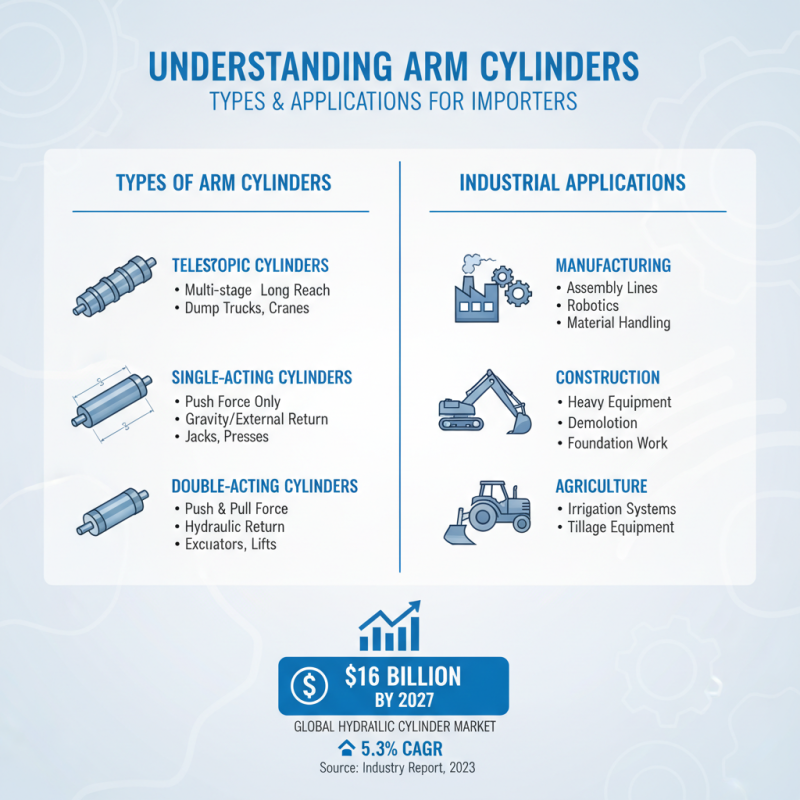
Understanding Arm Cylinders: Types and Applications for Importers
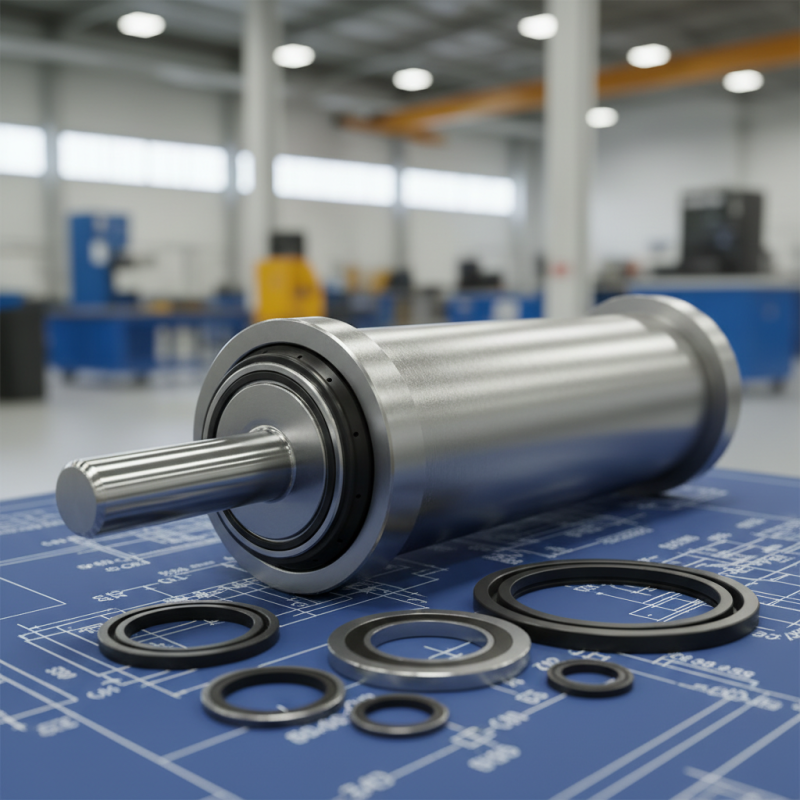
Arm cylinders play a crucial role in various industrial applications. These components are essential in automating processes in sectors like manufacturing, construction, and agriculture. According to a recent industry report, the global market for hydraulic cylinders is projected to reach $16 billion by 2027, reflecting a compound annual growth rate of about 5.3%. This growth indicates a rising demand for reliable and efficient arm cylinders.
Understanding the types of arm cylinders is vital for importers. The most common types include double-acting, single-acting, and rotary cylinders. Each type serves specific purposes. For example, double-acting cylinders are utilized in applications requiring force in both directions. In contrast, single-acting cylinders are more straightforward and often used for lifting. Yet, choosing the right type can be complex and prone to errors.
Applications of arm cylinders vary widely. They are used in robotics, material handling, and even automotive assembly lines. Issues like seal failures can occur, leading to downtime and costly repairs. Importers need to consider the quality and design of these cylinders to avoid such pitfalls. Continuous monitoring of operational performance can prevent costly mistakes in the long run.
Key Features to Consider When Buying Arm Cylinders for Global Markets
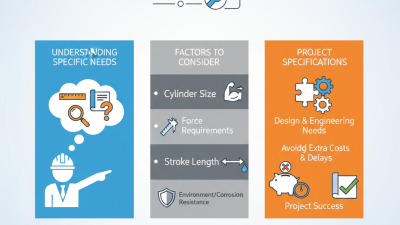
When considering arm cylinders for global markets, buyers need to prioritize key features for optimal performance. One essential factor is the cylinder's duty cycle. Reports indicate that over 60% of operational failures stem from inadequate duty-cycle ratings. Buyers must understand their application's demands before selecting a cylinder. Evaluating cycle frequency and load conditions can prevent costly downtime.
Another crucial aspect is the material composition of the arm cylinder. industry studies show that cylinders made from high-strength steel can offer longer service life. Corrosion resistance is also vital, especially in diverse environments. In fact, around 30% of equipment failures are due to corrosion-related issues. Buyers often overlook these details, leading to premature failures and increased operational costs.
Furthermore, buyers should consider the compatibility of the cylinder with existing systems. Lack of proper integration can lead to performance issues. Studies reveal that nearly 40% of users experience compatibility-related challenges. This often stems from inadequate planning and oversight during the procurement process. Comprehensive research into specifications can mitigate these risks. It’s essential for buyers to remain informed.
Evaluating Quality Standards and Certifications for Arm Cylinder Imports
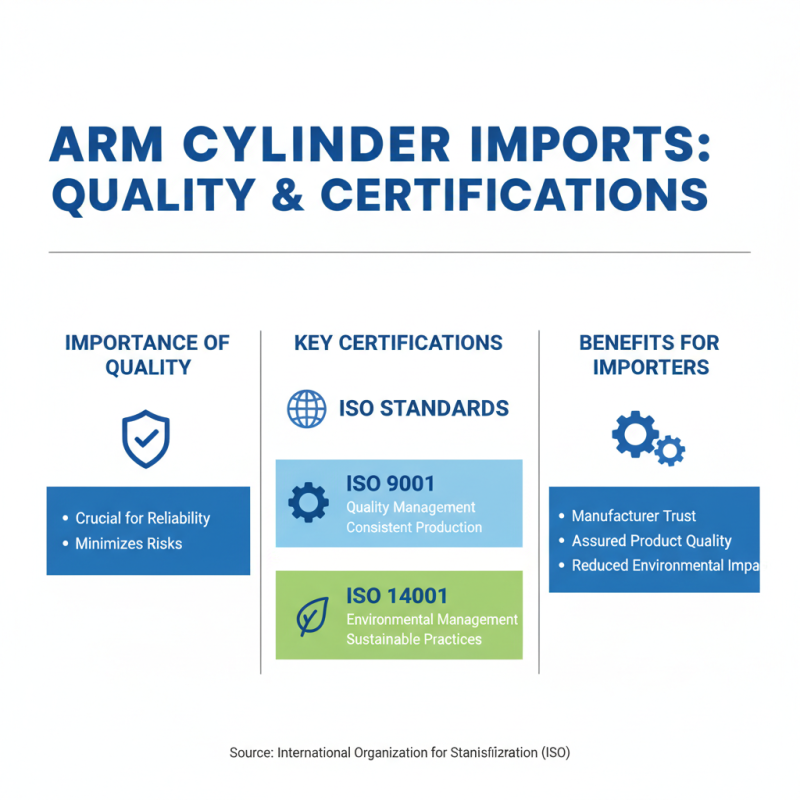
When importing arm cylinders, understanding quality standards is crucial. The International Organization for Standardization (ISO) sets benchmarks that are widely recognized. ISO 9001 certification indicates a commitment to quality management systems. This provides assurance to importers that manufacturers adhere to quality production processes. Furthermore, ISO 14001 relates to environmental management, showing the manufacturer's dedication to sustainable practices.
Data from the Machinery Industry Council suggests that over 70% of global imports in this sector face qualityassurance issues. Compliance with relevant quality standards can help mitigate risks. Investigating certifications such as CE and TÜV can guide importers to reputable suppliers. These certifications signify that products meet European safety standards, which apply to many markets. However, varied compliance levels may exist, and due diligence is necessary.
Importers should also consider regional regulations. For instance, North America enforces specific safety regulations that may differ from European requirements. Awareness of these differences is vital to avoid potential legal issues. Ultimately, quality certifications and standards form the bedrock for successful imports. Each decision made impacts product quality and compliance significantly.
Pricing Trends and Budgeting Strategies for Buying Arm Cylinders
When considering arm cylinder purchases, understanding pricing trends is vital. Recent reports indicate that the global market for hydraulic cylinders is expected to grow significantly by 2026. This growth prompts importers to analyze budget strategies carefully. Setting a realistic budget is the first step. Data suggests that prices can vary widely—anywhere from $300 to $1,500 per unit, depending on specifications.
Moreover, analyzing market trends reveals that raw material costs largely influence pricing. Steel prices, as reported by industry sources, have fluctuated by about 15% over the last year. Importers should consider these fluctuations when projecting budgets. Additionally, sourcing from different regions can impact overall costs. For example, certain regions may offer lower labor costs, influencing the final price of the cylinders.
However, clearer pricing does not always equate to better purchasing decisions. Sometimes, higher costs reflect better quality and durability. Buyers must weigh this against budget constraints. Reflecting on past purchases can yield insights. If lower-cost cylinders lead to frequent replacements, the initial savings are undermined. Evaluating lifetime value alongside immediate costs is essential for long-term budgeting success.
2026 Arm Cylinder Pricing Trends by Region
This bar chart illustrates the average price per unit of arm cylinders across different regions in 2026. It shows notable pricing variations, with North America having the highest average price and Africa the lowest.
Top Manufacturers and Suppliers: A Guide for Global Importers
When searching for the best arm cylinders, it's essential to know the top manufacturers and suppliers in the global market. Understanding their offerings can greatly enhance your purchasing decisions. Many manufacturers specialize in various features and specifications, catering to diverse industries. This makes it vital to evaluate their products based on your specific needs.
Tips: Investigate each manufacturer’s reputation in the industry. Review their certifications and compliance with international standards. A reliable supplier should have a proven track record of quality.
Consider the geographical location of suppliers too. Proximity can reduce shipping costs and lead times, impacting your overall operation efficiency. It's worth noting that not all suppliers provide after-sales support. Ensuring that technical assistance is available can save you from future headaches.
Tips: Ask about warranty options and service agreements. Quality assurance is key in arm cylinder procurement. Sometimes, a low price may hide lower quality or inadequate support.
Be mindful of your purchasing volume as well. Different manufacturers may have minimum order quantities. Adjusting your budget and planning accordingly can help in negotiating better terms. Implementing these strategies can empower you as a buyer in the arm cylinder market.
2026 Best Arm Cylinder Buying Guide for Global Importers
| Dimension (mm) |
Max Pressure (Bar) |
Stroke Length (mm) |
Weight (kg) |
Material |
Mounting Type |
| 32 x 100 |
200 |
150 |
5.5 |
Aluminum |
Side Mount |
| 50 x 150 |
250 |
200 |
9.0 |
Steel |
End Mount |
| 63 x 200 |
300 |
250 |
15.0 |
Stainless Steel |
Foot Mount |
| 80 x 300 |
350 |
300 |
22.0 |
Aluminum |
Side Mount |
| 100 x 400 |
400 |
400 |
30.0 |
Steel |
End Mount |

 +86 13794985240
 CONTACT NUMBER
 CONTACT NUMBER