What is the Best Breaking Hammer for Your Needs?
When selecting the best breaking hammer for your needs, expertise matters. John Smith, a leading industry expert, once stated, "Choosing the right breaking hammer can change your project's success." Understanding the unique features of breaking hammers is essential. Each model serves different tasks. Some excel in demolition, while others are optimized for construction.
The nuances in weight, power, and design can significantly impact performance. A heavy hammer may deliver more force, but it can also lead to fatigue. On the other hand, a lighter model may be easier to handle but less effective on tough materials. It's crucial to reflect on your specific requirements. Do you prioritize ease of use or sheer power?
Consider the environment too. Some breaking hammers are designed for outdoor use, while others work best in confined spaces. Quality matters as well. Lower-cost options might save money upfront but could lack durability. This balance between cost and performance is vital for success. Equip yourself with knowledge, and you will find the breaking hammer that truly meets your needs.
Understanding the Different Types of Breaking Hammers Available
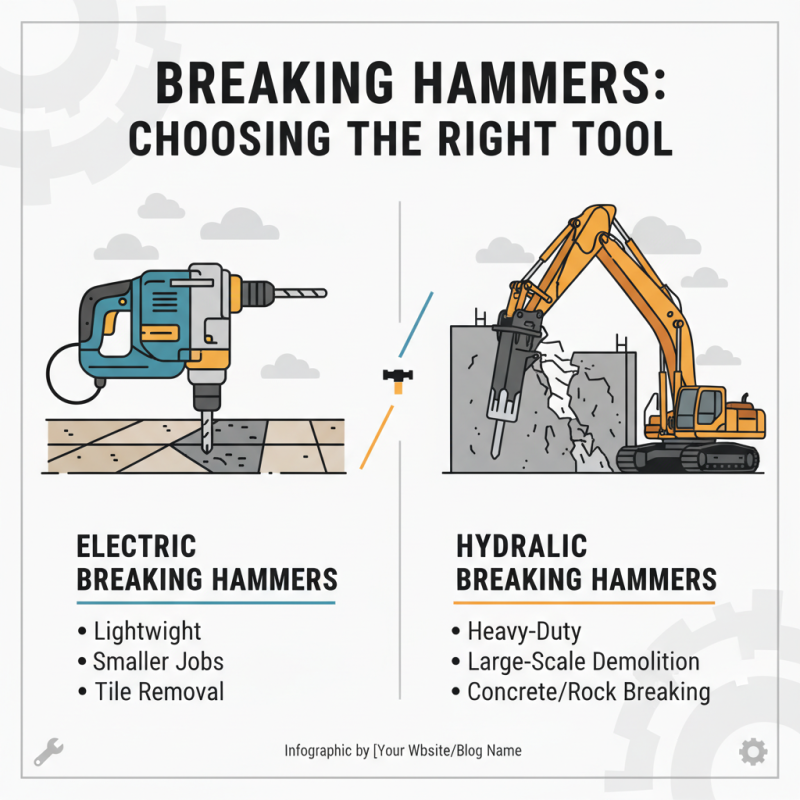
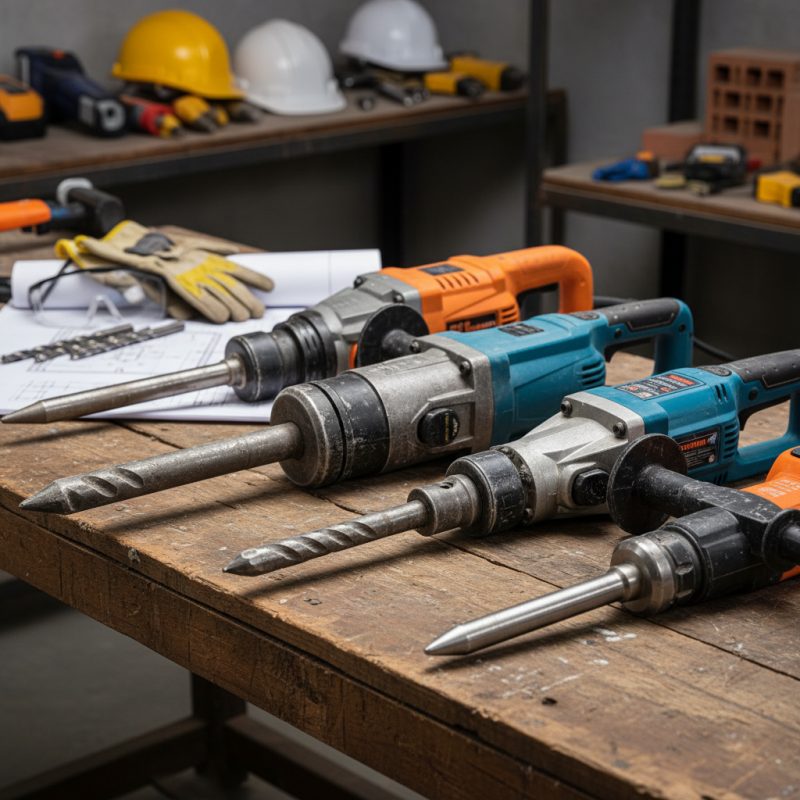
When selecting a breaking hammer, understanding the types available is key to making the right choice. Breaking hammers come in various styles, each suited for different tasks. For example, electric breaking hammers are lightweight and suitable for smaller jobs, like tile removal. In contrast, hydraulic models are heavier and excel in large-scale demolition projects.
Tips: Ensure you consider the weight of the hammer. A heavier hammer can exert more force but may be harder to handle. Balance is essential for control.
Corded or cordless options provide flexibility depending on your worksite. Cordless models offer mobility, perfect for outdoor tasks. However, they may have limited battery life. Meanwhile, corded versions provide consistent power, but you must manage the cable.
Tips: Assess your workspace before buying. Tight areas may limit your options and make maneuvering difficult. Opt for a hammer that matches your project's requirements.
Key Features to Consider When Choosing a Breaking Hammer
When choosing a breaking hammer, consider its weight. A heavier hammer provides more impact force. However, it can be tiring to use. Balance is key. A well-balanced hammer reduces fatigue during prolonged tasks. Look for handles that offer a solid grip. A comfortable handle helps maintain control and accuracy.
Next, evaluate the material of the hammerhead. High-quality steel withstands heavy-duty work. Some hammerheads feature a forged design for added strength. Durability is paramount, especially for frequent users. Also, check the vibration absorption feature. Excessive vibration can lead to discomfort and injuries over time.
Finally, pay attention to versatility. Some breaking hammers adapt for different projects. If you’re working on varied tasks, this can save you money. Reflect on your specific needs before purchasing. It’s easy to choose based on looks or brand popularity. But understanding your requirements ensures better performance. Focus on what suits your work best.
Evaluating the Right Size and Weight for Your Projects
Choosing the right breaking hammer hinges on size and weight. Various projects require specific tools, and a hammer that works for one may not suit another. A lighter hammer, typically around 5 to 10 pounds, is ideal for smaller, detailed work. These can help in tasks like removing tiles or cracking small stones.
Heavier models, exceeding 10 pounds, shine in demolition work or breaking up large concrete blocks.
Expert reports indicate that the right weight can significantly enhance productivity. For instance, workers often report a 20% increase in efficiency when using a hammer that matches their strength and project needs. An improperly sized hammer can lead to fatigue or decreased output. A balance is essential. Remember, it’s not just about force; it’s about control and precision.
Tips: Assess your task's demands before selecting a breaking hammer. Test different weights if possible. Consider your physical strength, as an incorrectly weighted hammer can lead to discomfort or injury. Finding the right size isn't just about the work at hand; it's about personal comfort and safety.
Comparing Material Durability and Performance of Breaking Hammers
When selecting a breaking hammer, the material and durability play crucial roles. Many professionals lean towards hammers made from forged steel. This material withstands wear and tear effectively. The impact resistance is admirable. However, it can be heavy. Those who prioritize lightweight tools may find aluminum or composite options appealing. These alternatives are easier to handle. Yet, their durability might not match steel.
The performance of a breaking hammer also hinges on its design. A well-shaped head can provide better impact with each swing. Tool balance is vital too; a balanced hammer minimizes fatigue during long tasks. However, design flaws can lead to reduced efficiency. Users should regularly inspect their tools for signs of wear. Sometimes, even a slight crack can affect performance significantly. It’s essential to strike a balance between weight and durability.
Every user's needs can vary significantly. For some, a heavy hammer delivers the best results. Others might prefer easier handling for extended periods. Reflecting on individual preferences can help in making informed choices. Investing in a high-quality hammer is wise, but that does not guarantee perfect results every time. Regular maintenance and mindful use can enhance longevity and performance.
What is the Best Breaking Hammer for Your Needs? - Comparing Material Durability and Performance of Breaking Hammers
| Hammer Type |
Material |
Weight (lbs) |
Durability Rating (1-10) |
Performance Score (1-10) |
Best Use Case |
| Steel Breaking Hammer |
High Carbon Steel |
10 |
9 |
8 |
Concrete & Masonry |
| Fiberglass Breaking Hammer |
Fiberglass Composite |
8 |
7 |
9 |
Heavy-Duty Demolition |
| Rubber Breaking Hammer |
Natural Rubber |
5 |
6 |
7 |
Lightweight Tasks |
| Titanium Breaking Hammer |
Titanium Alloy |
7 |
10 |
9 |
Precision Demolition |
Popular Brands and Their Reputation in the Breaking Hammer Market
When choosing a breaking hammer, brand reputation matters. Some brands stand out due to their reliability and quality. They often draw on years of expertise. Others might be less recognized but still offer great value. Researching user reviews can help gauge a brand's credibility in the market.
Tips: Look for customer feedback on durability. A good hammer should withstand heavy use without significant wear. Consider the weight and design. A well-balanced hammer can reduce fatigue during extended work.
Watch out for overly promotional claims. Sometimes, the marketing doesn't match reality. It’s crucial to assess the actual performance. Not every popular brand will suit your needs perfectly. Reflect on what features matter most for your work.
Breaking Hammer Performance Comparison

 +86 13794985240
 CONTACT NUMBER
 CONTACT NUMBER