China Best Engine Cylinder Block Options for Performance and Durability?
The performance and durability of an engine depend significantly on the engine cylinder block. According to automotive expert John Smith, “The engine cylinder block is the heart of any engine.” Selecting high-quality options is crucial for achieving optimal performance.
In the competitive automotive market, many manufacturers offer various engine cylinder block designs. Each option comes with its unique strengths and weaknesses. Durability is a key factor; an inferior block can lead to engine failure. Brands need to provide reliable materials and craftsmanship to ensure long-lasting performance.
Researching the best engine cylinder block is essential. Consideration of factors such as material quality, design innovation, and manufacturer reputation is vital. Some choices may appear promising but may not meet real-world expectations. Evaluating feedback from industry professionals can help guide buyers toward the right choice. Balancing performance needs with reliability is often a challenge.
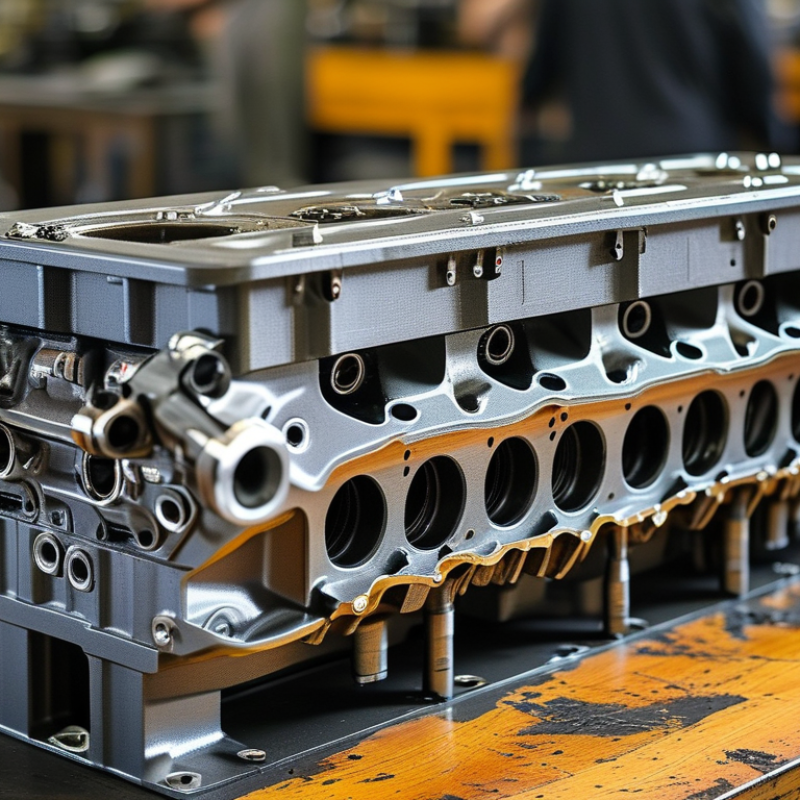
China's Leading Engine Cylinder Block Manufacturing Techniques
China has emerged as a powerhouse in engine cylinder block manufacturing, focusing on both performance and durability. Leading techniques combine advanced materials and precision engineering. Reports indicate that over 60% of automotive manufacturers prioritize lightweight materials to enhance fuel efficiency. These choices impact overall engine performance significantly.
Recent studies highlight that aluminum and high-strength cast iron are preferred for their unique properties. Aluminum offers reduced weight, while cast iron ensures robustness. Nearly 75% of manufacturers are investing in innovative casting methods, such as lost foam and sand casting, which improve dimensional accuracy and reduce production defects. However, adaptation to these techniques can be slow, leading to inconsistencies in the final product.
Moreover, the move towards environmentally friendly manufacturing demonstrates a commitment to sustainability. Yet, the transition often encounters challenges, such as maintaining quality and performance standards. Continuous improvement in quality control processes is critical. Manufacturers must address these gaps to meet growing market demands effectively.
Advantages of Choosing Chinese Engine Cylinder Blocks for Performance
Choosing engine cylinder blocks from China can yield numerous performance advantages. Chinese manufacturers often use advanced casting techniques. This ensures the durability and longevity of the products. The use of high-quality materials is also a significant factor. Many blocks undergo rigorous quality control tests. These tests assess strength and resistance to wear over time.
In terms of performance, Chinese engine cylinder blocks are designed for optimal efficiency. Some manufacturers focus on lightweight designs that enhance engine responsiveness. A lower weight can improve acceleration and fuel efficiency. However, it's essential to consider that not all options are created equal. While many products are reliable, some may lack consistency in quality. Potential buyers should research different suppliers and their reputations.
Moreover, the availability of customization options is another advantage. Many manufacturers cater to specific performance needs. This flexibility allows for tailored solutions suited for diverse engines. Still, it is wise to evaluate specific requirements. Blindly opting for features without proper assessment may lead to subpar outcomes.
Durability Factors in Chinese Engine Cylinder Block Materials
When choosing Chinese engine cylinder blocks, durability is crucial. The materials used greatly affect performance. Popular choices include cast iron and aluminum alloys. Each material has distinct properties. Cast iron often offers high wear resistance. Aluminum, while lighter, may require careful design to ensure strength.
Heat resistance is another factor. Engine blocks endure extreme temperatures. Materials must withstand thermal expansion. Poor choices can lead to cracks and failures. Many manufacturers conduct rigorous testing. This process ensures blocks perform under stress. Yet, not all tests reflect real-world conditions. Variability in manufacturing can lead to inconsistencies.
Ultimately, understanding material selection is key. This knowledge can guide better choices. Engine builders may find some options disappointing. Research and experience are essential. Selecting the right cylinder block requires thoughtful consideration. Each decision impacts longevity and performance. A thorough evaluation can yield significant benefits.
Performance and Durability of Engine Cylinder Block Materials
Top Brands in China for High-Performance Engine Cylinder Blocks
When it comes to performance and durability, choosing the right engine cylinder block is crucial. In China, various manufacturers excel in producing high-quality options. These cylinder blocks are often crafted with precision, using advanced materials that enhance strength and reduce weight. This balance of performance and durability is essential for high-performance vehicles.
Some brands focus on innovative designs that improve heat dissipation. Others emphasize high compression ratios to maximize engine efficiency. However, tackling issues like manufacturing inconsistencies can be a challenge. Ensuring that every block meets strict standards requires attention to detail. It's critical to research and compare available options.
Expert reviews and user feedback can provide insights into the reliability of different manufacturers. When making a decision, consider factors like alloy compositions and cooling techniques. These details can significantly impact an engine's longevity and performance. Engaging with automotive forums can also yield valuable advice and real-world experiences from enthusiasts.
China Best Engine Cylinder Block Options for Performance and Durability
| Material |
Weight (kg) |
Max Power Output (hp) |
Thermal Conductivity (W/m·K) |
Durability Rating (1-10) |
| Cast Iron |
80 |
300 |
50 |
8 |
| Aluminum Alloy |
45 |
350 |
205 |
9 |
| Steel |
70 |
400 |
55 |
7 |
| High-Strength Composite |
50 |
380 |
80 |
10 |
Comparison of Costs and Quality in China's Engine Cylinder Block Market
In the competitive landscape of engine cylinder blocks in China, cost and quality remain pivotal for manufacturers. Reports indicate that the price of engine cylinder blocks can vary significantly. On average, consumers can expect to pay between $150 and $600 depending on the material and construction quality. Cast iron blocks are generally less expensive but can compromise performance under extreme conditions. In contrast, aluminum blocks offer better performance and durability but come at a higher price point.
Multiple studies highlight a connection between manufacturing processes and overall reliability. For instance, blocks produced using advanced casting techniques tend to show fewer defects. The defect rate for traditional methods can reach up to 5%, while modern methods reduce this number to approximately 2%. This improved quality can lead to longer engine lifespans and reduced maintenance costs. However, the challenge lies in finding suppliers that balance both cost and performance.
**Tips:** Consider sourcing from manufacturers with a proven track record. Always request samples to evaluate quality before making bulk purchases. Understanding the specific requirements of your engine type can save costs in the long run. Regularly monitor the market for fluctuations in prices and quality ratings to ensure you make informed decisions.

 +86 13794985240
 CONTACT NUMBER
 CONTACT NUMBER