2026 How to Choose the Right Cylinder Liner for Your Engine?
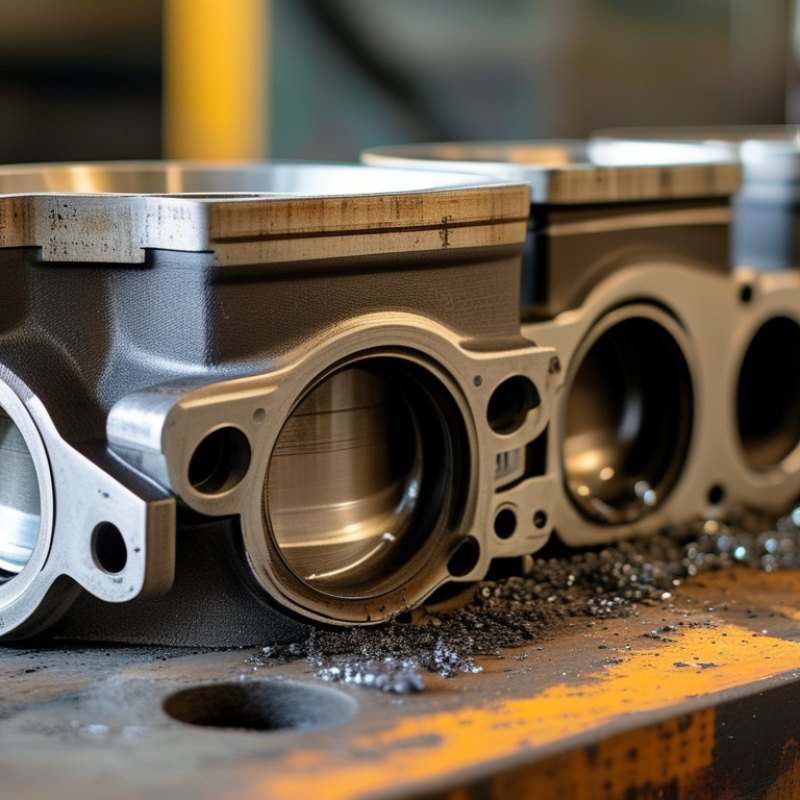
Choosing the right cylinder liner for your engine is crucial. A cylinder liner affects performance and longevity. It serves as a barrier between the combustion process and the engine block. This component bears immense pressure and heat. Therefore, selecting the right material and design is vital.
Different engines have specific requirements. High-performance engines may need thicker liners, while standard engines may not. The dimensions, material, and coating of a cylinder liner can all impact efficiency. Pay attention to the manufacturer's specifications for optimal results.
Over time, some liners may show signs of wear or deformation. Regular inspection can save time and costs. Choosing a cylinder liner isn't always straightforward. Consider the balance between durability and weight, as well as your engine's unique demands. A thoughtful approach to selection can lead to improved performance and reliability.
Understanding Cylinder Liners: Types and Functions
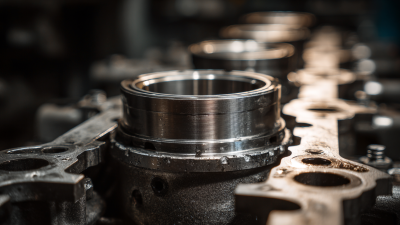
When selecting a cylinder liner, understanding its types and functions is crucial. Cylinder liners, or cylinder sleeves, play a vital role in engine performance. They provide a surface for the piston to move against, sealing combustion gases and reducing wear. There are two main types: wet and dry liners. Wet liners are cooled by engine coolant, while dry liners rely on the engine block for cooling. Each type has its specific applications, influencing efficiency and durability.
A recent industry report indicated that over 70% of engine failures are due to inadequate lubrication and wear of cylinder liners. This emphasizes the need for correct liner selection. Materials used also matter. Common materials include cast iron and aluminum. Cast iron offers durability but is heavier, whereas aluminum is lighter, enhancing overall engine performance. However, aluminum can wear faster under certain conditions.
Engine designers face challenges. Balancing cost, performance, and longevity is an ongoing task. Not all liner materials hold up equally across temperature variations. Further research often reveals performance data gaps. Reflecting on liner choices, users may find their selections didn't align with specific engine goals. The right cylinder liner is not just a choice; it’s a commitment to engine health and efficiency.
Key Factors in Selecting Cylinder Liners for Engine Performance
Choosing the right cylinder liner for your engine can significantly affect performance and durability. When selecting cylinder liners, consider material, thickness, and design. Materials like cast iron and aluminum are common. Cast iron offers durability, while aluminum is lightweight. The choice impacts thermal efficiency and weight distribution.
Thickness also plays a crucial role. Thicker liners withstand higher stresses and temperatures, reducing wear. However, they can add weight to the engine. Striking a balance between durability and weight is essential. Engine design dictates the best choice for each application, impacting everything from power output to fuel efficiency.
It’s vital to reflect on your specific needs. If performance is the priority, a high-performance liner may be necessary. However, it may not always be the best for reliability. Researching your engine's requirements is critical. Seek expert opinions and reviews to ensure you make an informed decision. A thorough understanding of these factors contributes to successful engine builds.
Material Choices for Cylinder Liners: Pros and Cons
When selecting the right cylinder liner for your engine, the material choice is crucial. Cylinder liners are typically made from cast iron, aluminum, or composite materials. Each of these options carries distinct advantages and drawbacks. Cast iron is a popular choice due to its durability and resistance to wear, making it ideal for heavy-duty applications. However, it can be heavier than other materials, which may affect engine performance.
Aluminum liners are lighter and contribute to better fuel efficiency. Recent studies indicate that engines using aluminum liners can improve fuel economy by up to 5%. Nonetheless, aluminum offers less wear resistance compared to cast iron, potentially leading to earlier failure in harsh conditions. It’s essential to weigh these factors based on your engine's operational demands.
Composite materials, while less common, provide innovative solutions. They combine the lightness of aluminum with enhanced durability. However, their production costs can be higher, and long-term reliability may not be fully established in the market yet. Ultimately, it's about finding a balance between weight, cost, and performance. Each material presents its own set of challenges that require careful consideration before making a decision.
Installation Considerations for Cylinder Liners in Engines
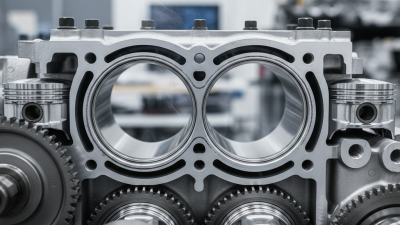
Choosing the right cylinder liner for your engine involves careful installation considerations. Proper alignment is crucial. Misalignment can lead to premature wear and engine failure. Always ensure the liner fits snugly within the cylinder block. Pay attention to the surface condition of both the liner and block. Even minor imperfections can affect performance.
When installing, consider the correct torque specifications. Over-tightening can cause cracks, while under-tightening may lead to leaks. Double-check measurements before finalizing installation. Use a reputable torque wrench to ensure accuracy.
Tip: Regularly inspect the liner after installation. Look for signs of wear or leaks. Early detection can save costly repairs later. Use quality gaskets to prevent leaks around the liner area. This small detail can make a significant difference in engine longevity. Investing time in installation pays off in the long run.
Maintenance Tips for Prolonging Cylinder Liner Lifespan
Maintaining cylinder liners is crucial for engine longevity. Regular inspections can help catch issues early. Look for signs of wear, such as scoring or corrosion. These are indicators that the liner may need replacement soon. Small cracks can lead to bigger problems if ignored.
Proper lubrication is essential. Ensure you are using the right oil type for your engine. Clean oil helps reduce friction and wear. Change the oil regularly to maintain its protective properties. Contaminated oil can damage the surfaces over time.
Cooling is another important factor. Overheating can warp the cylinder liner. Keep the cooling system in check. A working thermostat and clean coolant passages are vital. Monitor temperatures closely during operation. Remember, neglect can lead to costly repairs later on. Establish a maintenance schedule and stick to it.

 +86 13794985240
 CONTACT NUMBER
 CONTACT NUMBER