How to Choose the Best Cylinder Seal Kits for Your Needs?
Selecting the right Cylinder Seal Kits can significantly impact equipment longevity and performance. Expert Michael Thomas, a leading authority in hydraulic systems, once stated, "Choosing the right seal is as critical as selecting the machine itself." His insight emphasizes the importance of a thoughtful approach to this decision.
The landscape of Cylinder Seal Kits is complex. Various factors must be considered, such as material types, compatibility with fluids, and environmental conditions. For instance, using nitrile seals in extreme temperatures may lead to premature failure. Each application demands careful assessment to avoid costly downtime.
Many industries rely on Cylinder Seal Kits for their machinery. A small oversight in choosing the right kit can result in severe consequences. This underscores the necessity of understanding one’s specific needs. Reflecting on past experiences, it’s evident that not all kits are created equal. Quality must never be compromised. Selecting a trusted manufacturer can be your best safeguard against future troubles. Investing time in research is essential for lasting success.
Factors to Consider When Selecting Cylinder Seal Kits for Machinery
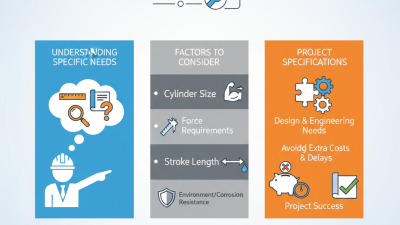
When selecting cylinder seal kits for machinery, several factors come into play. Assess the specific application requirements. The operating temperature and pressure significantly influence seal material selection. Nitrile and fluorocarbon are popular choices, but each has limitations. Understanding these nuances can prevent costly equipment failures.
Size is another critical aspect. Accurate measurements ensure a proper fit. A poorly fitted seal can lead to leaks and machinery damage. Always double-check the dimensions before purchasing. Quality matters too. High-grade materials ensure durability and longevity. However, inexpensive options may tempt you, but reconsider their long-term implications.
Compatibility with machinery is often overlooked. Not every seal kit works with all models. Research the specifications of your equipment thoroughly. Seek expert advice if unsure. Even slight deviations can cause problems. In the end, investing time in research and understanding leads to better decision-making. This thoughtful approach can save money and enhance machinery performance.
Understanding Different Types of Cylinder Seals: Materials and Applications
Choosing the right cylinder seal kit requires understanding the types available. Different materials cater to various applications. Common materials include rubber, polyurethane, and metal. Each has its unique benefits, contributing to different environments and functions.
Rubber seals are versatile and often used in low-pressure systems. They are cost-effective yet may lack durability in harsh conditions. Polyurethane seals provide better resilience and can operate in a broader temperature range. They excel in dynamic applications. Metal seals offer exceptional strength for severe environmental challenges but may be complex to install.
When assessing these materials, consider factors like temperature, pressure, and fluid compatibility. It's not just about the seal's material; the application matters too. Some seals may perform poorly under specific conditions, leading to equipment failure. It's crucial to analyze potential weaknesses in the application and select a seal that minimizes those risks.
Key Performance Metrics for Cylinder Seal Kits: Durability and Resistance
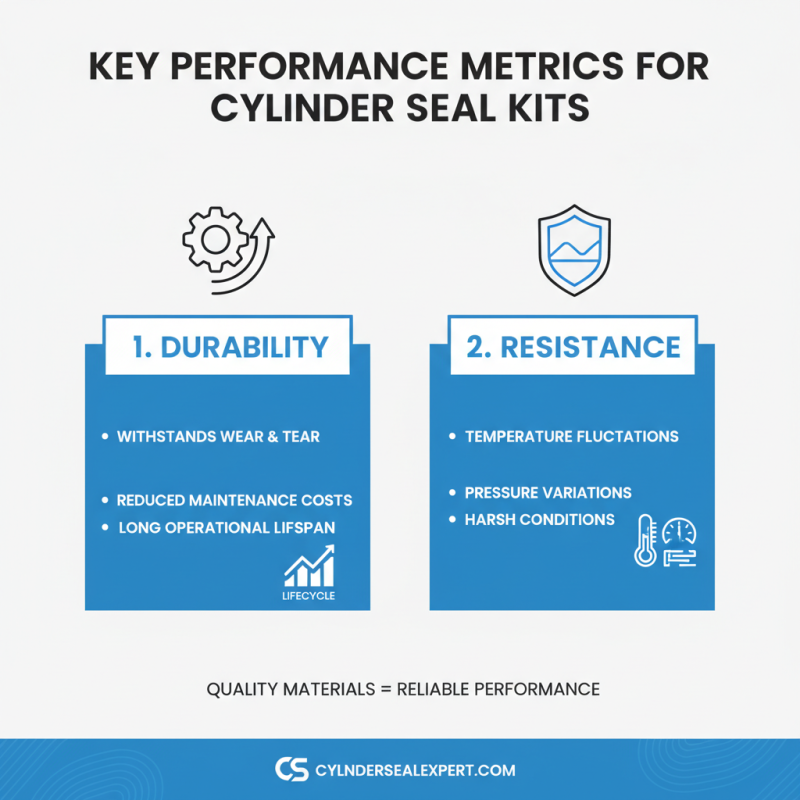
When selecting cylinder seal kits, understanding key performance metrics is essential. Durability is paramount. High-quality seals should withstand wear and tear. This resistance can significantly reduce maintenance costs over time. Look for materials that endure under various conditions, such as temperature and pressure fluctuations.
Resistance to chemical exposure is also crucial. Many environments include harsh substances that can degrade seals. Choosing seals that resist these chemicals ensures longevity and optimal performance. Consider the working environment when evaluating options. Specific materials perform better under certain conditions.
However, identifying the ideal materials can be tricky. Not every durable seal will suit all applications. Users often find performance varies across different conditions, leading to unexpected failures. Reflection on past experiences with seals helps inform future choices. It’s wise to consult with experts or peers, as shared insights can guide you toward better decisions.
Evaluating Compatibility: Matching Seal Kits with Equipment Specifications
When selecting cylinder seal kits, matching them to your equipment specifications is crucial. The right fit ensures optimal performance and longevity. Check the size and shape of your existing seals. Compare these dimensions with the specifications of potential kits. This step is vital to prevent leaks and failures.
Understanding the material compatibility can also make a difference. Some seals work well with hydraulic fluids, while others may not. Always refer to manufacturer guidelines for fluid compatibility. It aids in avoiding premature seal wear or damage. Take note of your equipment’s operating temperature and pressure. This information is essential in choosing the right seal material.
Tips: Verify that the seal kit aligns with your machinery’s operational limits. Review user manuals or consult experienced technicians for additional guidance. Remember that overconfidence in your initial choice can lead to costly repairs down the line. So, remain open to reevaluating options you may have initially considered adequate.
How to Choose the Best Cylinder Seal Kits for Your Needs? - Evaluating Compatibility: Matching Seal Kits with Equipment Specifications
| Equipment Type |
Seal Kit Number |
Material |
Temperature Range |
Pressure Rating |
Applications |
| Hydraulic Cylinders |
HYP-123 |
Nitrile |
-30°C to 100°C |
3500 PSI |
Excavators, Forklifts |
| Pneumatic Cylinders |
PNE-456 |
Polyurethane |
-20°C to 80°C |
150 PSI |
Packaging Machines, Assembly Lines |
| Rotary Actuators |
ROT-789 |
Viton |
-20°C to 200°C |
500 PSI |
Automotive, Aerospace |
| Industrial Pumps |
PMP-321 |
EPDM |
-10°C to 120°C |
200 PSI |
Water Treatment, Chemical Processing |
Cost vs. Quality: Making Informed Choices in Cylinder Seal Kit Purchases
When considering cylinder seal kits, the balance between cost and quality is crucial. Quality seals are often made from durable materials, ensuring longevity. In contrast, cheaper options might compromise reliability. You want seals that can withstand pressure and resist wear over time. Choosing low-cost kits might save money upfront but can be risky.
Tips: Always check user reviews and expert opinions before purchasing. Look for seals with a proven track record.
Another consideration is the specific application. Different equipment demands different specifications. A seal designed for heavy machinery won’t perform well in lighter applications. Therefore, understanding your operational environment is vital.
Tips: Analyze the working conditions and choose accordingly. Don’t ignore the manufacturer’s recommendations.
Remember, investing in a high-quality cylinder seal kit can prevent future expenses associated with failures. Weigh your options carefully to avoid pitfalls. Quality may come at a higher price, but the performance benefits often justify the cost.

 +86 13794985240
 CONTACT NUMBER
 CONTACT NUMBER