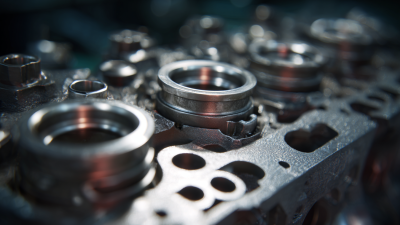
What is a Cylinder Head Gasket and Why is it Important?
The Cylinder Head Gasket plays a crucial role in vehicle performance and engine integrity. According to a report by the Engine Builders Association, approximately 30% of engine failures can be traced back to faulty gaskets. This highlights the importance of this component in maintaining engine health.
Renowned automotive expert Dr. James Lewis emphasizes, "A reliable Cylinder Head Gasket is essential for sealing critical engine parts." When it fails, it can lead to significant problems, including coolant leaks and engine overheating. The implications of these failures can be costly and time-consuming, affecting both the vehicle's reliability and the owner's wallet.
Manufacturers are increasingly focusing on the quality of Cylinder Head Gaskets to prevent such issues. Advanced materials and technologies are being employed to enhance durability. However, the industry still faces challenges, such as ensuring compatibility with different engine designs. Engineers continue to seek solutions, making this a dynamic area for ongoing improvement.
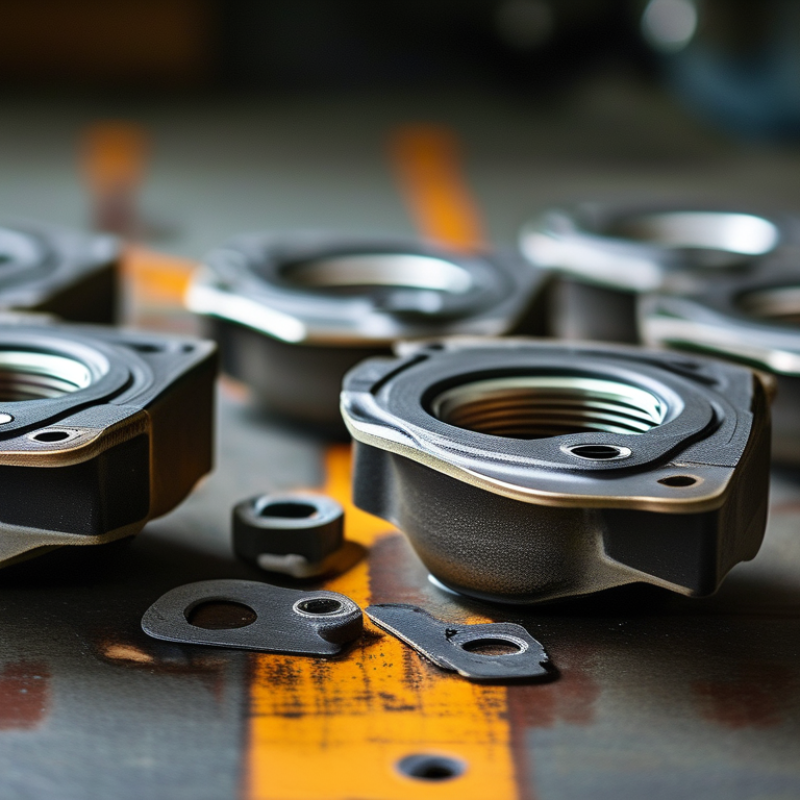
What is a Cylinder Head Gasket?
A cylinder head gasket is a critical component in an engine. It sits between the engine block and the cylinder head. Its primary function is to seal the combustion chambers. This helps maintain the necessary pressure for optimal engine performance. Without a proper seal, gases and fluids can leak, leading to performance issues.
The importance of a cylinder head gasket cannot be overstated. It is crucial for preventing oil and coolant leaks. When a gasket fails, it can cause serious damage. Overheating might occur if coolant escapes. Similarly, if oil leaks into the combustion chamber, it can create harmful emissions. Drivers may notice reduced power and increased fuel consumption. Regular checks can help ensure that the gasket remains intact.
Understanding the condition of the cylinder head gasket is vital for any driver. Signs of wear include engine overheating or oil in the coolant. Checking for these indicators can save expensive repairs later. While replacing a gasket seems straightforward, it requires expertise. Incorrect installation can lead to further complications. Regular maintenance is key to a healthy engine.
The Function of a Cylinder Head Gasket in Engine Performance
The cylinder head gasket plays a crucial role in engine performance. It seals the gap between the engine block and the cylinder head. This ensures that the combustion chamber is airtight. Without a proper seal, gases escape during combustion. This loss can lead to a decrease in power and efficiency.
A well-functioning gasket maintains optimal compression. It also prevents coolant and oil leaks. However, gaskets can wear out over time. Exposure to high temperatures and pressure can cause them to fail. Symptoms of a failing gasket include overheating and oil contamination in coolant.
Moreover, the quality of the cylinder head gasket affects overall engine reliability. A gasket that is not up to par may lead to catastrophic engine failure. Regular inspections can help prevent this issue. It's essential to remain vigilant for signs of wear and tear. Engine performance is at stake.
Impact of Cylinder Head Gasket Condition on Engine Performance
Common Symptoms of a Failing Cylinder Head Gasket
A cylinder head gasket plays a critical role in sealing the engine block and cylinder head. When it fails, it can lead to significant engine issues. Common symptoms of a failing cylinder head gasket include overheating, oil contamination, and loss of engine power. These symptoms can signal severe internal damage if ignored.
One clear indicator is coolant leaking from the engine. A study from the Automotive Engineering Journal highlights that up to 30% of all engine failures are due to gasket issues. Drivers may notice white smoke from the exhaust as coolant seeps into the combustion chamber. This visible symptom often leads to further engine complications. Another alarming sign is oil mixed with coolant. A brownish sludge can form in the engine, impairing lubrication and leading to more extensive repairs.
Additionally, a loss of compression can occur. This might manifest as a rough idle or decreased acceleration. According to data from the International Engine Performance Association, about 15% of vehicle owners report experiencing power loss as a primary concern. Ignoring early signs can lead to complete engine failure, which is costly and time-consuming for repairs. Staying vigilant and addressing these symptoms promptly is essential for maintaining engine health.
The Impact of a Damaged Gasket on Engine Health
A cylinder head gasket serves as a critical seal between the engine block and the cylinder head. This component is vital for maintaining engine performance. When this gasket fails, it can lead to severe engine issues. A damaged gasket may cause coolant leaks, resulting in overheating. The engine can suffer permanent damage if the overheating is not addressed quickly.
According to a report from the National Institute for Automotive Service Excellence (ASE), approximately 15-20% of engine failures are related to gasket issues. This statistic underscores the importance of regular maintenance. Ignoring a worn gasket can lead to costly repairs and decreased vehicle performance.
Signs of a failing gasket include white smoke from the exhaust and milky oil. Both indicate coolant entering the engine, a situation needing immediate attention.
Data from recent industry studies suggest that replacing a damaged head gasket can improve fuel efficiency by up to 15%. However, many drivers overlook early warning signs, thinking they are minor issues. This oversight can lead to larger problems down the road, such as a complete engine rebuild. Investing in timely repairs ensures a longer engine life and reduces the risk of unforeseen breakdowns.
Repair or Replace: Addressing Cylinder Head Gasket Issues
Cylinder head gasket issues can lead to significant engine problems. A damaged gasket can cause coolant to leak into the engine. This not only affects performance but also risks severe overheating. According to industry reports, nearly 3 million vehicles experience head gasket failures each year in the U.S. alone. Ignoring these issues can lead to costly repairs down the line.
When faced with cylinder head gasket problems, vehicle owners often wonder whether to repair or replace. Repairing can be a quick fix, but it may not address underlying issues. A study by the Automotive Aftermarket Association suggests that taking the time to replace a faulty gasket often leads to better long-term results. It further indicates that 65% of those who opted for replacement experienced fewer engine problems afterward.
Choosing to replace a cylinder head gasket can feel daunting. Expenses might rise, and the process requires skilled mechanics. However, the reliability gained from a replacement often outweighs the risks of quick repairs. Invest in a thorough inspection to evaluate damage. Make informed decisions on whether to repair or replace, keeping performance and longevity in mind.

 +86 13794985240
 CONTACT NUMBER
 CONTACT NUMBER