What is an Engine Cylinder Head and How Does it Work?
The engine cylinder head is a crucial component of an internal combustion engine. It houses the valves and combustion chambers, significantly influencing engine performance. Renowned engineer Dr. Helen Carter emphasizes its importance, stating, "The cylinder head shapes the very heart of engine efficiency." Her insight reflects the complex role this part plays in maximizing power output.
Understanding the function of an engine cylinder head is essential for anyone interested in automotive technology. It controls the air-fuel mixture and exhaust flow, impacting the overall efficiency. A poorly designed cylinder head can lead to performance issues, such as reduced power and higher emissions. Many mechanics overlook this vital piece during maintenance, leading to costly repairs and inefficiencies.
Engine cylinder heads vary in design and material, affecting their functionality. Some may struggle with heat dissipation or warping over time. These flaws necessitate careful selection and regular checks to ensure optimal performance. Remember, even minor imperfections in the cylinder head can result in significant setbacks in an engine's lifespan. Reflecting on these details can help in gaining a deeper understanding of this crucial automotive element.
What is an Engine Cylinder Head? Definition and Overview
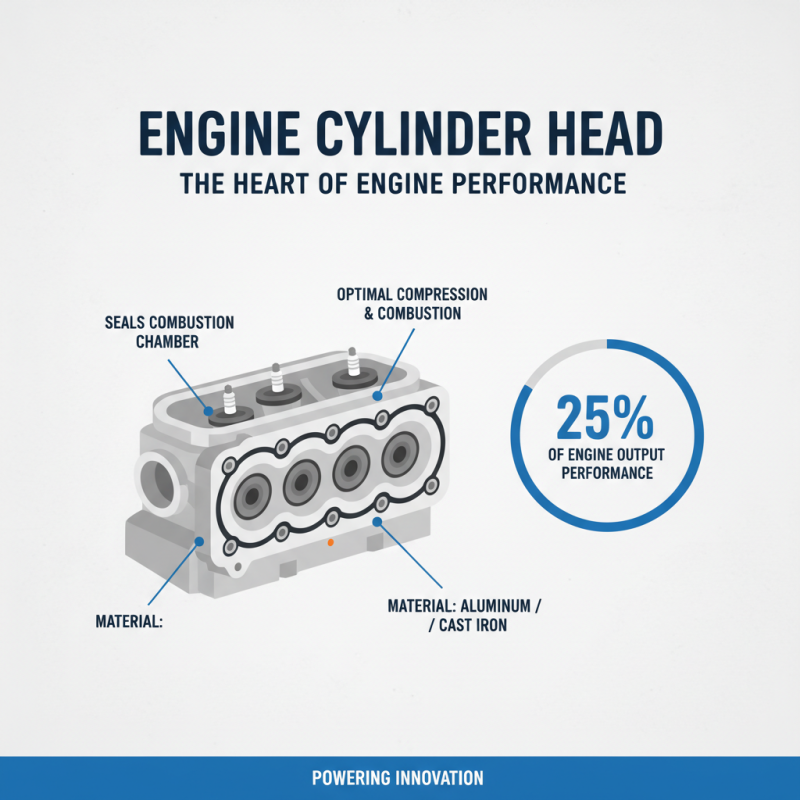
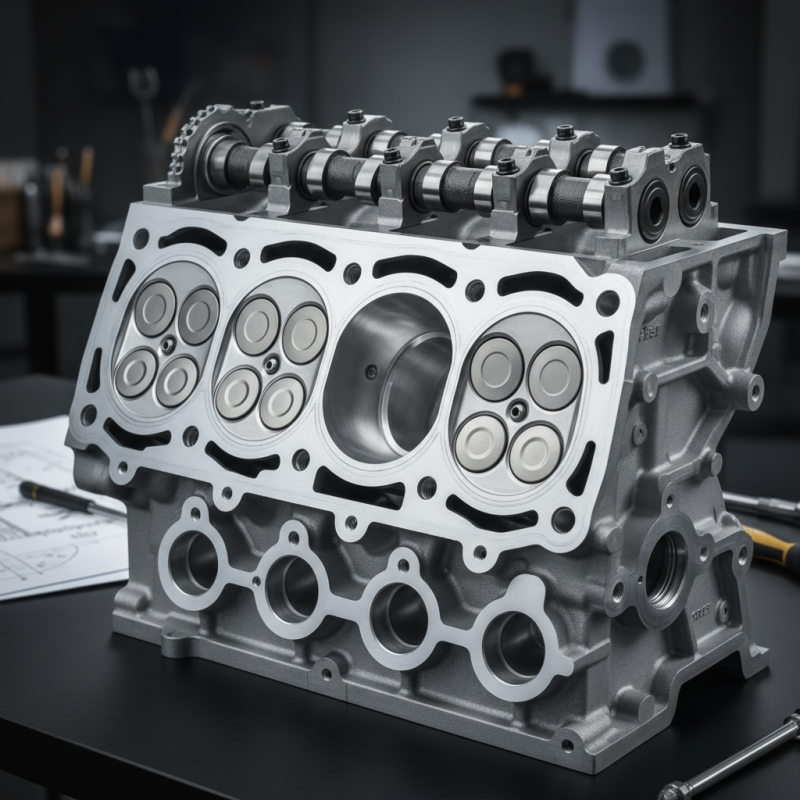
An engine cylinder head is a crucial component of an internal combustion engine. It sits atop the cylinder block, sealing the combustion chamber. This design allows for optimal compression and efficient fuel combustion. Typically made from aluminum or cast iron, the cylinder head can influence engine performance dramatically. According to industry reports, cylinder heads account for approximately 25% of an engine's output performance.
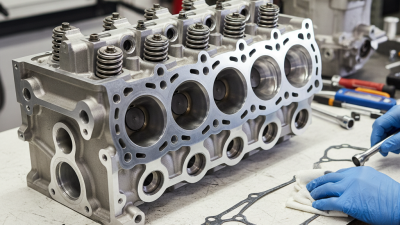
The cylinder head houses essential parts, such as valves and spark plugs. Valves control the airflow during the intake and exhaust strokes. Their precision is vital. Any misalignment can lead to power loss or increased emissions, with potential efficiency drops of up to 15%. Maintaining these components is necessary for longevity. However, it’s not uncommon for engine enthusiasts to overlook the head gasket, which can result in overheating and costly repairs.
Advanced technology, like CNC machining, has revolutionized cylinder head manufacturing. While this improves precision, it also raises costs. Some manufacturers now focus on 3D printing methods, but the durability of these models remains uncertain. The balancing act between cost, performance, and reliability continues to challenge engineers in this field.
Key Functions of the Cylinder Head in Internal Combustion Engines
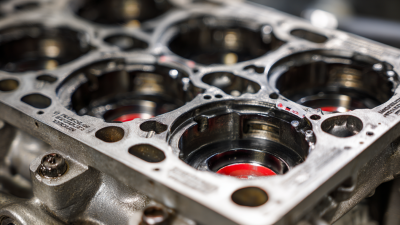
The cylinder head is a crucial component in internal combustion engines. It forms the top of the cylinder, sealing it and creating the combustion chamber. This chamber is where fuel and air mix and ignite. Effective sealing is vital for engine efficiency. A well-fitted cylinder head ensures maximum power output. Poor sealing can lead to lost power and increased emissions.
One key function is housing the combustion valves. These valves control airflow in and out of the cylinder. Proper valve operation is essential for optimal engine performance. According to industry reports, a malfunctioning cylinder head can reduce engine efficiency by up to 15%. Problems often arise from overheating or material fatigue. Regular inspections can help identify issues before they escalate.
Another important role of the cylinder head is to manage coolant flow. It must dissipate heat effectively to prevent engine failure. When the cylinder head fails to function properly, overheating becomes a risk. Studies suggest that nearly 30% of engine failures stem from cooling system malfunctions. An inefficient cylinder head can cause serious damage over time. Reactive measures can mitigate these risks, but they do require ongoing attention.
Structure: Components of a Cylinder Head Explained
The cylinder head is a critical component of an internal combustion engine. It sits atop the engine block and houses important functions. The cylinder head contains passages for both air and fuel to enter. It also holds valves and spark plugs. This complex structure supports combustion which turns fuel into energy.
Key components of a cylinder head include valves, ports, and camshafts. Valves regulate the flow of air and fuel into the cylinders. They also control exhaust gases exiting the engine. Ports aid in this process by directing the flow effectively. A poorly designed head can hinder performance, leading to efficiency losses.
Research shows that optimizing the cylinder head can improve power output by up to 20%. However, many designs still have room for improvement. Engineers often focus on weight reduction and thermal efficiency. In some cases, traditional materials do not meet modern demands. Continuous evolution in design is necessary, although some innovations may take time to yield results. As technology progresses, the cylinder head remains a focal point for enhanced engine performance.
What is an Engine Cylinder Head and How Does it Work?
| Component |
Description |
Function |
Material |
| Valve |
Regulates the flow of air and fuel mixture into the cylinder and exhaust gases out |
Ensures engine efficiency and performance |
Steel or titanium |
| Spark Plug |
Ignites the air/fuel mixture within the cylinder |
Initiates combustion process |
Ceramic insulator with metal components |
| Camshaft |
Controls the operation of the valves |
Ensures proper timing for engine operation |
Cast iron or aluminum |
| Cylinder Head Gasket |
Seals the cylinder head to the engine block |
Prevents leaks between the two components |
Composite material or metal |
| Intake Manifold |
Distributes the air/fuel mixture to each cylinder |
Ensures even distribution for efficient combustion |
Aluminum or plastic |
The Manufacturing Process: Materials and Techniques Used
The manufacturing process of an engine cylinder head is intricate and requires precision. Various materials are used, such as aluminum and cast iron. Aluminum is lightweight and offers good thermal conductivity. It allows for better engine performance. However, it may not be as durable as cast iron. On the other hand, cast iron is immensely strong but heavier. Each material has its merits and pitfalls.
Techniques for crafting cylinder heads vary widely. The casting process is common. It involves pouring molten metal into molds. This technique shapes the cylinder head accurately but can be time-consuming. Many manufacturers are now adopting techniques like machining and CNC processes. These methods enhance precision but can also raise production costs. There’s a constant balance between quality and efficiency.
Creating a cylinder head involves challenges. Flaws can emerge during manufacturing. Even slight imperfections can affect engine performance. The cooling channels must be precise, and so should the valve seats. Designers must continually refine their processes. Innovation is essential, yet not always successful. Each attempt teaches valuable lessons.
Performance Impact: How Cylinder Head Design Improves Engine Efficiency
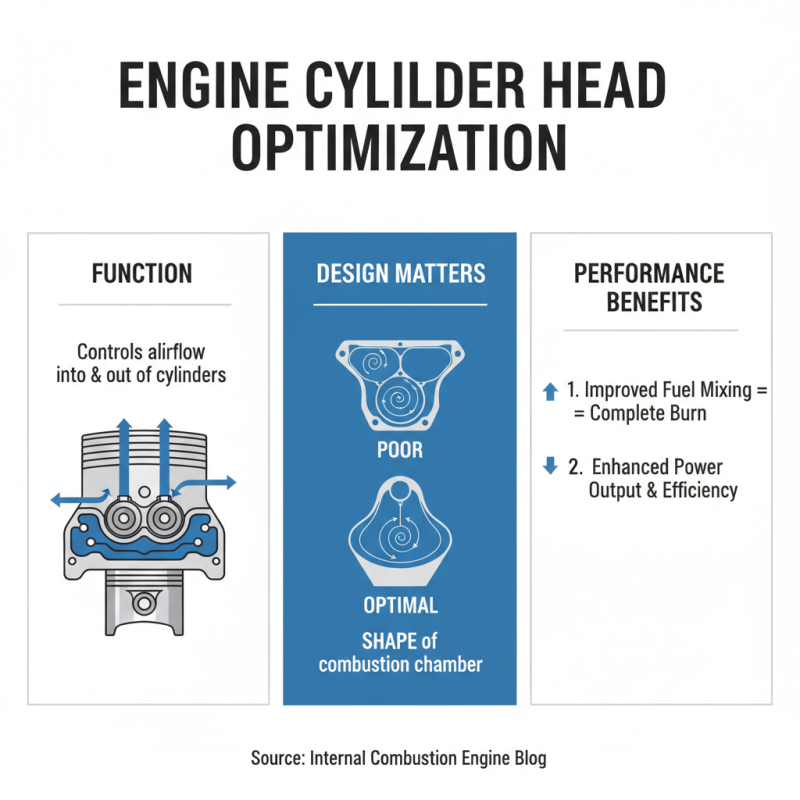
The engine cylinder head is a crucial component that significantly influences engine performance. Its design can optimize airflow and improve combustion efficiency. For instance, a well-shaped combustion chamber allows for better fuel mixing. This leads to a more complete burn, enhancing power output.
Effective cylinder head designs feature larger intake and exhaust ports. These ports facilitate improved airflow, allowing the engine to breathe more freely. When airflow is unrestricted, the engine can generate more horsepower. However, achieving the right balance between port size and airflow can be tricky. Too large ports can disrupt the airflow, which might reduce efficiency.
Every detail in cylinder head design matters. Features like valve angles and seat designs influence how effectively fuel and air enter the cylinder. These elements can either boost power or hinder performance, depending on their execution. Fine-tuning these details requires expertise and careful testing. The impact of these choices can be profound, affecting overall engine efficiency.

 +86 13794985240
 CONTACT NUMBER
 CONTACT NUMBER