What is an Engine Cylinder Head and Why is it Essential?
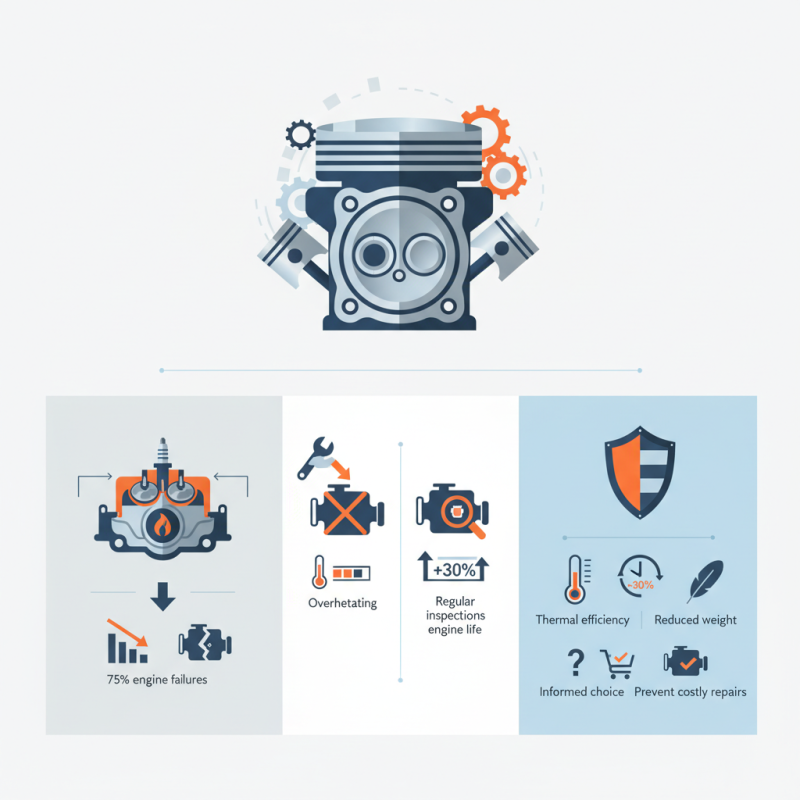
The Engine Cylinder Head is a crucial component of any internal combustion engine. This part serves multiple functions, including housing the intake and exhaust valves and facilitating combustion. According to industry reports, about 75% of engine failures can be traced back to issues related to the cylinder head. This highlights its vital role in engine performance.
Understanding the complexity of the Engine Cylinder Head can enhance the reliability of engine operations. Many enthusiasts overlook this part during maintenance. However, neglecting it can lead to significant problems, such as overheating or reduced power output. Recent studies indicate that regular inspections can increase engine life by up to 30%.
Innovation in materials like aluminum and composite materials has improved the durability of the Engine Cylinder Head. These advancements enhance thermal efficiency while reducing overall weight. Yet, not all manufacturers invest equally in quality. End-users should be vigilant and research the brands they choose. An informed choice can prevent costly repairs down the line.
What is an Engine Cylinder Head?
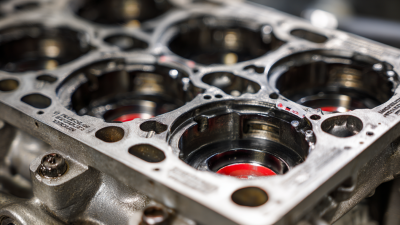
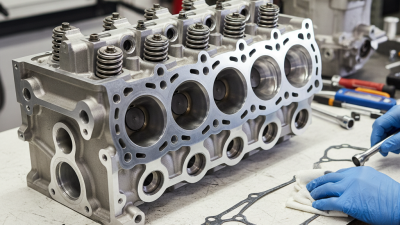
The engine cylinder head is a critical component that sits atop the engine block. It houses the intake and exhaust valves, spark plugs, and fuel injectors. This part is vital for regulating air and fuel flow in the combustion chamber. A well-designed cylinder head ensures efficient engine performance.
Materials used in cylinder head construction vary widely. Lightweight aluminum is popular due to its thermal properties. However, casting imperfections can lead to issues. Cracks and warping may occur, negatively impacting engine efficiency and longevity. Regular inspections are necessary to avoid these problems.
Moreover, the configuration of the cylinder head directly affects engine dynamics. A more complex design may improve airflow but can increase manufacturing costs and maintenance challenges. Understanding these trade-offs is essential for anyone interested in engine performance. An engine's efficiency is closely linked to the cylinder head's design and condition.
Key Functions of the Engine Cylinder Head
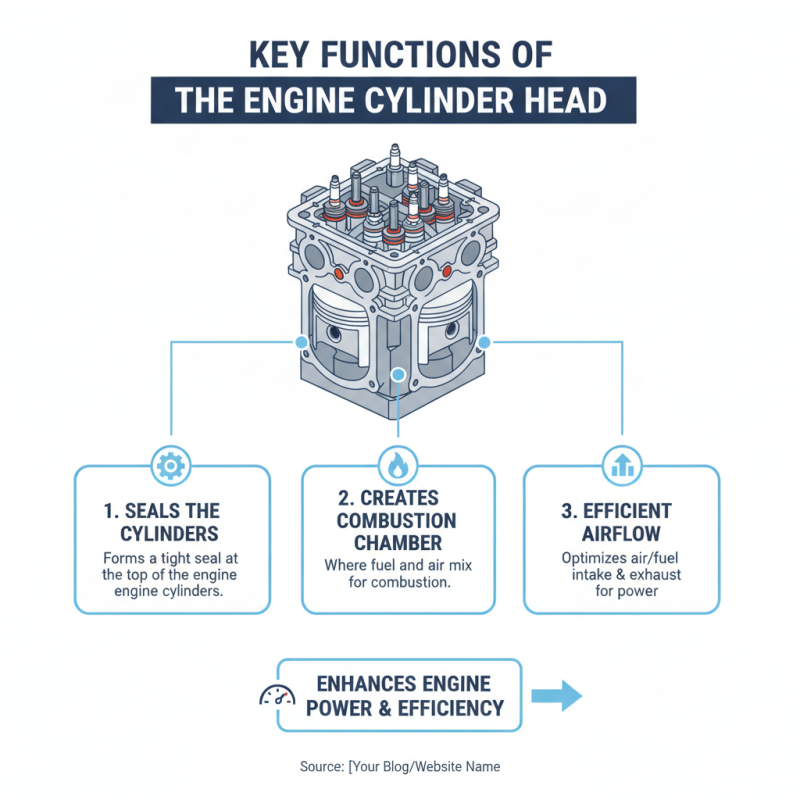
The engine cylinder head plays a crucial role in a vehicle's performance. It seals the top of the engine cylinders, creating a combustion chamber where fuel and air mix. A well-designed cylinder head allows for efficient airflow, enhancing engine power and efficiency.
One key function of the cylinder head is temperature regulation. It houses coolant passages that help dissipate heat. If the head overheats, it can lead to severe engine damage, such as warping or cracking. Reports indicate that around 30% of engine failures are linked to overheating issues. Thus, proper maintenance of the cylinder head is essential to prevent such failures and extend engine life.
Another function is housing the intake and exhaust valves. These valves control the flow of air and exhaust gases. Accurate timing and sealing of these valves are vital for optimal engine performance. Studies show that a minor misalignment can reduce engine efficiency by up to 20%. Regular inspection can catch these issues early, promoting better fuel economy and lower emissions. Effective cylinder head management is more than just a technical necessity; it's a pathway to more sustainable driving.
Components of the Engine Cylinder Head
The engine cylinder head plays a vital role in an internal combustion engine. It serves as a barrier between the engine's combustion chamber and the external environment. Comprised of various components, it houses critical elements such as valves, spark plugs, and fuel injectors. These parts work in harmony to facilitate the engine's airflow and fuel combustion. According to the International Journal of Automotive Engineering, the cylinder head accounts for 25% of the engine's weight, influencing both performance and overall efficiency.
Valves in the cylinder head regulate air and fuel intake, and exhaust gas expulsion. The precision of these components is crucial. A report by the Society of Automotive Engineers indicates that a 1mm variation in valve timing can lead to a 5% decrease in engine performance. Spark plugs ignite the air-fuel mixture, while fuel injectors deliver fuel in precise amounts. Any malfunction in these parts can affect the combustion process, resulting in poor fuel economy or increased emissions. Unfortunately, many drivers neglect regular maintenance, risking costly repairs.
Additionally, the cylinder head must withstand extreme temperatures and pressures. Its material is typically cast aluminum or iron for durability. However, these materials can suffer from wear and tear. Cracks or warping can occur over time, leading to leaks and engine failure. Continuous monitoring and timely interventions can help prevent such issues. Investing in high-quality materials and regular inspections can enhance the longevity of the cylinder head and the entire engine system.
What is an Engine Cylinder Head and Why is it Essential?
| Component |
Description |
Importance |
| Cylinder Head |
The component that sits atop the engine block, enclosing the cylinders. |
Houses intake and exhaust valves, crucial for engine efficiency. |
| Valves |
Engine components that control the flow of air and fuel into the cylinders and exhaust out. |
Essential for engine performance and power delivery. |
| Spark Plugs |
Devices that ignite the air/fuel mixture in the cylinders. |
Crucial for proper combustion and engine operation. |
| Camshaft |
A rod with lobes that opens and closes the valves at the right times. |
Essential for timing the valve operation in relation to the crankshaft. |
| Gaskets |
Seals that prevent leaks between the cylinder head and engine block. |
Critical for maintaining compression and preventing external leaks. |
Importance of the Cylinder Head in Engine Performance
The cylinder head is crucial for engine performance. It houses the combustion chambers and supports fuel delivery. According to the Society of Automotive Engineers, about 75% of an engine's performance is influenced by its cylinder head design. An efficient design ensures optimal airflow, which enhances combustion efficiency. This increased efficiency can lead to improved fuel economy and reduced emissions.
Many drivers overlook the importance of a well-maintained cylinder head. Neglecting this component can lead to catastrophic engine failures. Regular inspections can catch small cracks or leaks that could escalate if ignored. This proactive approach can save money and time in the long run.
Tips for maintaining your engine’s cylinder head include monitoring coolant levels regularly. Low coolant can cause overheating, damaging the head. Additionally, ensure proper oil changes to keep the engine lubricated. Dirty oil can create excessive wear on the cylinder head. A clean engine runs better, prolonging its lifespan.
Common Issues and Maintenance of Engine Cylinder Heads
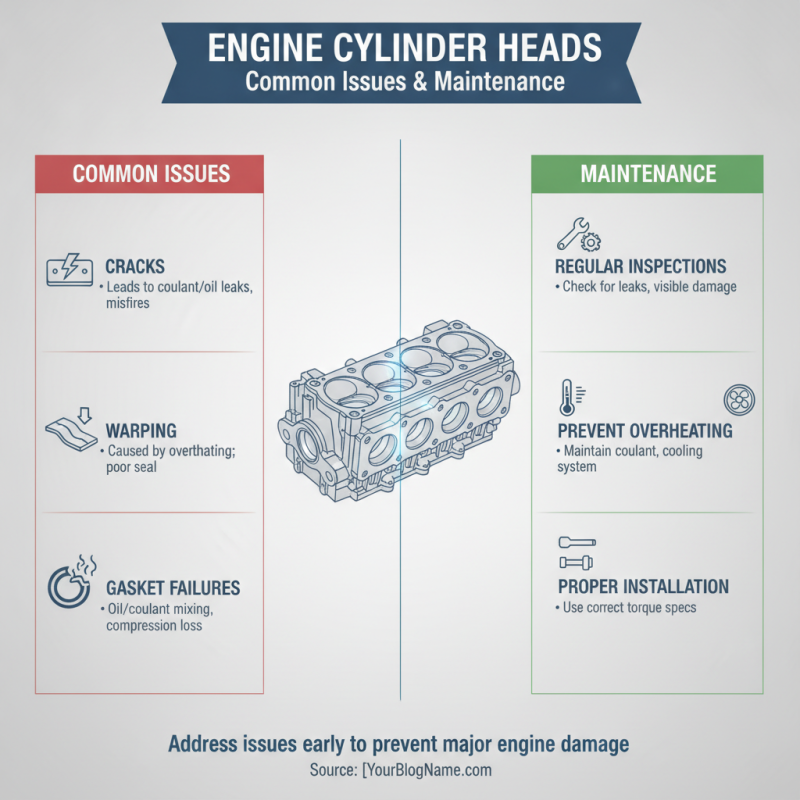
Engine cylinder heads play a crucial role in an engine's performance. They house the combustion chambers, where fuel and air mix. Over time, engine cylinder heads can suffer from various issues. Common problems include cracks, warping, and gasket failures. Any of these issues can lead to significant engine problems if not addressed.
Regular inspection and maintenance are vital for cylinder heads. Look for signs of leaks or overheating. These can indicate underlying issues that require immediate attention. Replacing a cylinder head can be costly and complex. Regular maintenance can often prevent these expensive repairs.
Understanding your engine's specifics can aid in troubleshooting. Keep records of any repairs done. This information is essential for diagnosing future issues. A well-maintained cylinder head contributes greatly to engine longevity and efficiency. Even minor neglect can lead to major failures later on, so proactive care is key.

 +86 13794985240
 CONTACT NUMBER
 CONTACT NUMBER