2026 How to Choose the Right Bucket Teeth for Your Excavator?
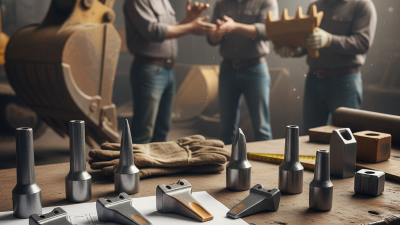
Choosing the right bucket teeth for your excavator can significantly impact your project's success. Bucket teeth are essential components that affect digging efficiency. With various types available, selecting the correct one can be challenging.
When evaluating bucket teeth, consider the soil type and project demands. Soft soil may require different teeth than rocky terrain. Durability is crucial; poorly chosen teeth can wear down quickly, leading to increased costs. Maintenance is sometimes overlooked. Regular checks can prevent unexpected failures.
While knowledge is essential, practical experience enhances your decision-making. Test different teeth to understand how they perform in real conditions. Mistakes can occur, but learning from them is vital in making the right choice for your excavator's efficiency.
Choosing the Right Material: Steel vs. Cast for Bucket Teeth
When selecting bucket teeth for an excavator, material choice is crucial. Two common options are steel and cast. Each has its benefits and drawbacks. Research suggests that over 60% of construction projects report challenges related to equipment wear. Understanding the material properties can help mitigate these issues.
Steel bucket teeth tend to provide high durability and resistance to impact. They often have a higher tensile strength, which allows them to perform well in hard soils. A study from the Construction Industry Institute shows that using high-quality steel can extend the lifespan of bucket teeth by up to 30%. However, these benefits come with a trade-off: steel can be more expensive and heavy, leading to increased fuel costs for the excavator.
Conversely, cast bucket teeth are typically lighter and can be more cost-effective. They excel in softer materials, offering decent performance without the added weight. Yet, they may face issues like brittleness under extreme conditions. The International Journal of Construction Engineering reported that 40% of excavators using cast teeth experienced premature wear in rocky terrains. Reflecting on these factors helps in making informed decisions. Ultimately, the choice between steel and cast bucket teeth will depend on specific project needs and conditions.
Understanding Different Types of Bucket Teeth: Standard, Heavy-Duty, and More
When selecting bucket teeth for your excavator, understanding the options available is crucial. The three main types are standard, heavy-duty, and specialized teeth. Standard teeth suit general digging tasks. They provide a balanced performance for most environments. Heavy-duty teeth are designed for tougher conditions. They excel in rock or abrasive material digging.
Specialized teeth cater to specific tasks, like grading or trenching. Each type has its own benefits. Choosing the right type reduces wear and increases efficiency. It also improves overall productivity on the job site.
Tips: Consider the ground conditions before making a selection. Test different types to see what works best. Regular inspections help identify wear and tear early. This prevents costly repairs and downtime. A good fit not only improves performance but also maintains safety. Selecting the right bucket teeth is essential for optimal excavator function.
2026 How to Choose the Right Bucket Teeth for Your Excavator?
| Type of Bucket Teeth |
Recommended Applications |
Durability |
Weight |
Cost |
| Standard Teeth |
General excavation, light soil |
Medium |
3 lbs |
$15 |
| Heavy-Duty Teeth |
Rock, hard soil, tough conditions |
High |
4.5 lbs |
$25 |
| General Purpose Teeth |
Diverse applications, mixed terrain |
Medium-High |
3.2 lbs |
$20 |
| V-Shape Teeth |
Digging trenches, precision work |
Medium |
2.8 lbs |
$18 |
| Replaceable Tooth Systems |
Versatile, easy maintenance |
High |
3.5 lbs |
$30 |
Evaluating Compatibility: Matching Bucket Teeth to Excavator Brands and Models
When selecting bucket teeth for your excavator, compatibility is key. Each excavator model may require specific attachments. Understanding these needs can enhance performance and longevity. Different brands design their buckets and teeth to match unique specifications. It’s crucial to review the manufacturer guidelines for your machine.
Consider factors like the type of work you’ll be doing. Harder materials may necessitate stronger teeth, while softer materials might allow for an alternative. Some users overlook the angle and shape of the teeth. This can impact digging efficiency. Make sure to analyze these aspects carefully.
Sometimes, what fits does not always perform well. It might be tempting to choose a generic option that claims compatibility. But in practice, such choices can lead to early wear or breakage. Testing different combinations can be worthwhile, even if it takes extra time. Ultimately, ensuring precise alignment with your excavator’s specifications leads to better outcomes.
Analyzing Wear Resistance: The Role of Hardness in Bucket Tooth Lifespan
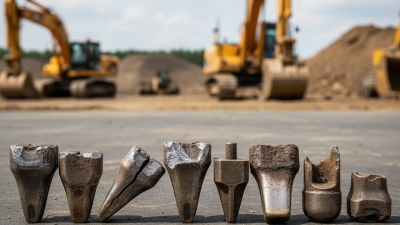
When selecting bucket teeth for excavators, wear resistance is a critical factor. Hardness plays a significant role in determining the lifespan of these components. Harder materials typically resist wear better, extending their service life. According to industry studies, bucket teeth with a hardness rating of 50-60 HRC can last up to 30% longer than those with lower ratings. This durability becomes crucial in high-impact environments and rocky terrains.
However, it is essential to understand that hardness alone isn’t everything. Too much hardness can lead to brittleness, causing unexpected breakage during operation. A balanced composition of strength and toughness is vital. Many manufacturers recommend a hardness level adjusted for specific applications. Evaluating the soil or material type can guide your hardness choice effectively.
Tips: Always consult with industry professionals when selecting bucket teeth to ensure the optimal balance of hardness and toughness. Regularly inspect your bucket teeth for signs of wear, and replace them before they become too damaged. This proactive approach can prevent costly downtime and enhance operational efficiency.
Analyzing Wear Resistance: The Role of Hardness in Bucket Tooth Lifespan
Cost-Benefit Analysis: Investing in Quality Teeth for Long-Term Performance
When investing in bucket teeth for your excavator, consider the long-term performance. Quality teeth reduce the frequency of replacements. Cheap options might save money initially but can lead to higher costs later. Durable teeth can withstand heavy use. They ensure that jobs are completed efficiently.
A cost-benefit analysis is essential. What seems inexpensive might not fulfill your needs. Evaluate the materials used in teeth. Hardened steel often outlasts standard options. Think about the projects you undertake. Will the teeth endure abrasive materials? If yes, invest in higher-quality options.
Maintenance also plays a role. Quality bucket teeth require less frequent replacement. This not only saves money but also minimizes downtime. Frequent downtime affects productivity. Reflect on your choices. Are you prioritizing short-term savings over long-term benefits? A strategic investment today can lead to better project outcomes tomorrow.

 +86 13794985240
 CONTACT NUMBER
 CONTACT NUMBER