+86 13794985240


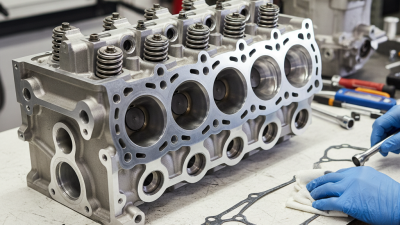
Buying an Engine Cylinder Head is not simply a matter of choosing the largest ports or the highest flow rating. The correct choice depends on displacement, compression, camshaft design, fuel type, operating speed, and vehicle use. A street car, racing engine, and towing truck demand different head characteristics. That sounds obvious. It is often ignored.
Experienced engine builder Smokey Yunick famously emphasized, “The best way to make horsepower is to increase airflow through the engine.” His point remains useful, but airflow alone does not guarantee performance. A cylinder head must also support proper velocity, combustion efficiency, cooling, durability, and compatibility with the engine block. A shiny casting can still be the wrong purchase.
This guide explains ten practical tips for buying an Engine Cylinder Head with greater confidence. It examines material selection, port size, valve arrangement, chamber volume, compression effects, gasket matching, and manufacturer quality. It also considers less visible details, such as seat concentricity, guide clearance, spring pressure, and surface flatness. These details matter during installation.
Measure carefully.
Do not trust marketing claims without supporting flow data, test conditions, and application details. Even reputable brands can offer unsuitable specifications for a particular build. That is an uncomfortable truth. My own evaluation would become weaker if it ignored budget, replacement parts, machining support, and long-term maintenance. The best buying decision balances tested performance with practical ownership. A well-matched head may deliver stronger throttle response and reliability than an expensive, oversized design.
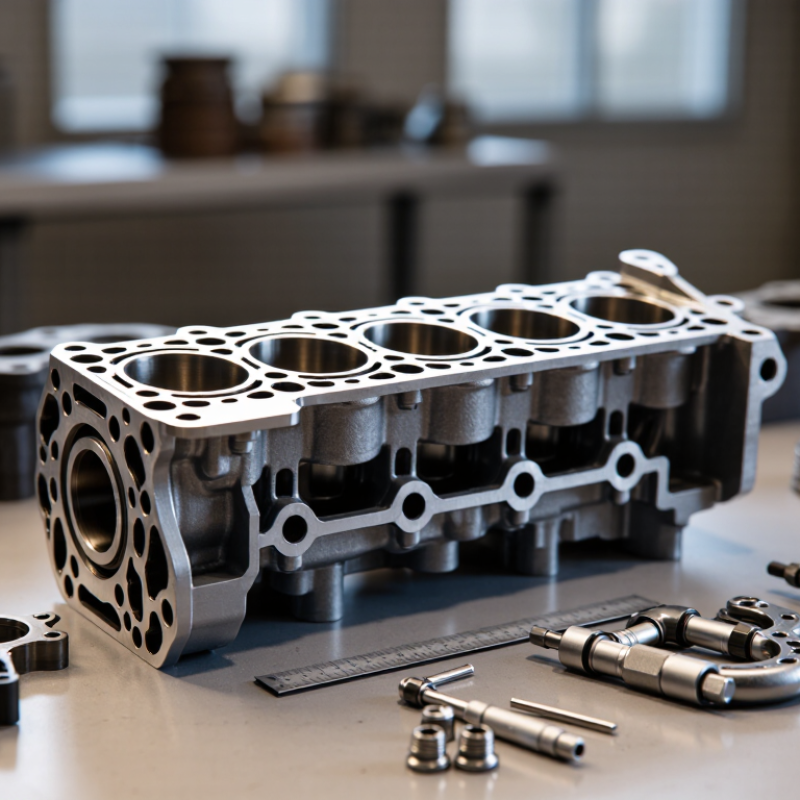
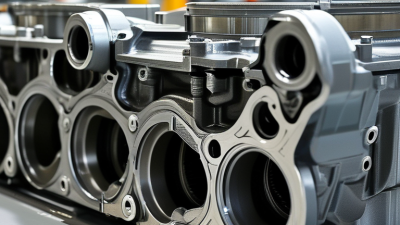
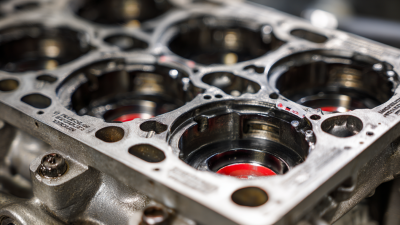
The cylinder head seals the top of the engine block and shapes the combustion chamber. It carries valves, ports, spark plugs or injectors, and several coolant and oil passages. Its design directly affects compression, airflow, heat control, and service life. A head that looks similar may still be incompatible.
Tip 1: Confirm the exact engine code, production year, and cylinder count before ordering. Check the bolt pattern, bore spacing, gasket layout, combustion chamber volume, and camshaft arrangement. Do not rely on appearance alone. Compare sensor openings and coolant passages carefully. A small mismatch can cause leaks or prevent proper installation. The head must also match the intended valvetrain, pistons, and compression ratio.
Tip 2: Ask for measurable inspection data. A reliable seller should provide pressure-test results, deck flatness, valve-seat condition, and crack inspection details. Examine the mating surface for deep scratches, corrosion, or machining marks. If the head is used, measure warpage instead of accepting “looks good.” That shortcut often fails. I would also verify thread condition and confirm whether valves, springs, and cam components are included. Requirements can be overlooked, even by experienced buyers, so write down every dimension before payment.
Buying an engine cylinder head starts with the engine configuration, not the price. Confirm the engine code, displacement, cylinder count, and production year. A turbocharged engine needs different cooling and airflow control. So does a diesel. Check whether the design is SOHC or DOHC, and whether the head is bare or fully assembled. A catalog match is not proof.
Material changes weight, heat transfer, and repair tolerance. ASM Handbook, Volume 2, lists aluminum density near 2.70 g/cm³, while gray cast iron commonly reaches about 7.1 g/cm³. Aluminum can reduce mass, but it may need stronger thread inserts and careful torque procedures. Cast iron tolerates heat well, yet it adds substantial weight. Inspect the combustion-chamber volume, valve-seat material, port shape, coolant passages, and gasket surface. Measure twice.
Professional inspection matters. The 2024 U.S. EPA Automotive Trends Report shows continued growth in turbocharged powertrains, making correct airflow and cooling design increasingly important. Ask for pressure-test results, flatness measurements, hardness information, and material specifications. Verify valve size, camshaft compatibility, compression ratio, and sensor openings. I have seen catalog listings omit small but critical details. That is worth questioning. Ensure the head matches the intended fuel system and emissions configuration. Check it cold, clean, and under bright light.
Buying an engine cylinder head requires more than matching the casting number. S&P Global Mobility’s 2024 vehicle-age report placed the average U.S. light vehicle age at 12.6 years. Older engines often need careful head inspection, not guesswork. Confirm the engine code, combustion-chamber shape, bolt pattern, coolant ports, and camshaft arrangement. Compare the seller’s measurements with the service manual. A clean finish can still hide damage.
Inspect new heads for machining burrs, blocked oil passages, uneven gasket surfaces, and damaged threads. Check valve-seat alignment and guide clearance with calibrated tools. For used heads, look closely around valve seats, spark-plug holes, bolt bosses, and thin coolant passages. These areas commonly show cracks or corrosion. Use a straightedge and feeler gauge to measure deck warpage. Then request a pressure-test record. The Engine Rebuilders Association recommends pressure testing and dimensional verification before assembly, especially after overheating.
Do not trust appearance alone. Cold welding marks, fresh paint, or excessive resurfacing may conceal previous repairs. Ask for the minimum deck-height specification and the remaining machining allowance. A professional machine shop should document hardness, flatness, pressure results, and crack testing. ASTM E18 hardness testing can support the evaluation, but it does not replace a crack inspection. I have learned that rushed purchases usually become expensive twice. Even experienced buyers miss small thread damage. Leave room for doubt, and inspect under bright angled light before paying.
Use this practical inspection-priority guide when comparing new or used cylinder heads. The percentages represent a weighted buying checklist, not a manufacturer-specific specification or defect rate.
Always compare measurements with the engine manufacturer's service limits. Pay particular attention to cracks, warpage, combustion-chamber damage, valve-seat condition, corrosion, and signs of overheating.
A cylinder head can look excellent and still fail under heat. I once trusted a clean casting too quickly. That was careless. S&P Global Mobility’s 2024 vehicle-age report places the average U.S. light vehicle at 12.6 years. Older vehicles increase demand for replacement heads, but they also increase compatibility risks. Match the engine code, production year, bore size, and combustion-chamber design before paying.
Ask for a machining sheet, not only polished photographs. It should show deck flatness, valve-seat concentricity, guide clearance, and pressure-test results. The gasket surface must suit your gasket type. A shiny surface proves little.
Check whether the seller documents measured values and inspection dates. Ask how the head was cleaned, whether cracks were tested, and whether threaded holes were repaired. Small details matter. Confirm included parts in writing. The package may contain valves, springs, retainers, seals, plugs, and cam components, or only the bare casting. Compare every item with the manufacturer’s service specification.
Incorrect spring installed height can create serious valve-train problems.
Do not assume “complete assembly” means installation-ready.
Seller reliability deserves equal attention. The Auto Care Association’s 2024 Factbook describes the U.S. automotive aftermarket as a sector exceeding 500 billion dollars annually. Large markets attract careful specialists and careless resellers. Request a traceable business address, warranty terms, return conditions, and recent measurement records. Independent reviews help, but they are not laboratory evidence.
I would rather receive one imperfect inspection report than ten dramatic photos. Some sellers avoid difficult questions. That is useful information.
10 Tips for Buying an Engine Cylinder Head?
A cylinder head is not a simple metal replacement. Compare the complete cost, not only the advertised price. S&P Global Mobility reported that the average U.S. light vehicle reached 12.6 years in 2024. Older engines may need more than one repair. Check the head, gasket, bolts, valves, seals, fluids, machining, shipping, and labor. Ask whether the head is new, remanufactured, or used. Request pressure-test and flatness-test results. Confirm alloy type, combustion-chamber design, valve size, and casting compatibility. A wrong specification can create expensive repeat work.
Warranty details deserve close reading. Confirm coverage length, parts included, labor reimbursement, and return shipping. Ask whether overheating, coolant contamination, installation errors, or related damage voids protection. Some warranties require documented installation by a qualified technician. Keep invoices and test records. The Automotive Service Excellence organization emphasizes correct procedures, inspection, and technician competence in engine repair. That matters because torque sequence and timing alignment are not guesswork. Small errors become large bills.
Installation needs can change the purchase decision. AAA’s 2024 Your Driving Costs report places maintenance, repair, and tire expenses near ten cents per mile. A cylinder-head job can quickly exceed routine maintenance. Compare three written estimates. Include machine-shop inspection and possible cooling-system repairs. Check required tools, gasket surfaces, torque specifications, and post-installation testing. A common mistake is trusting a low price before confirming labor coverage. I would also question unusually short warranties. Cheap can become expensive. Be willing to delay the purchase when compression results, overheating causes, or service history remain unclear.
| # | Buying Tip | What to Compare | Typical Cost or Coverage | Verification Checklist | Installation Consideration |
|---|---|---|---|---|---|
| 1 | Confirm exact engine compatibility | Engine code, model year, displacement, cylinder count, fuel system, and head configuration | A mismatch can create additional machining or replacement costs of several hundred dollars | Match the casting number, bolt pattern, coolant passages, oil passages, valve layout, and sensor locations with the original part | Incorrect fit may require rework, unsuitable components, or a second removal and installation |
| 2 | Compare the complete purchase cost | Part price, shipping, core charge, taxes, seals, bolts, fluids, and labor | Replacement cylinder heads commonly range from about $500 to $2,500 before installation, depending on type and condition | Request an itemized quote and check whether valves, springs, cam components, gaskets, and fasteners are included | A lower-priced bare casting may need substantial component transfer and machine-shop work |
| 3 | Choose the right condition | New, remanufactured, rebuilt, used, or bare cylinder head | Used units are often less expensive; remanufactured units generally cost more but may include tested components and limited warranty coverage | Ask for pressure-test results, crack inspection, resurfacing measurements, valve-seat condition, and component replacement details | A bare head requires transferring or purchasing valves, springs, retainers, seals, and related hardware |
| 4 | Review warranty coverage carefully | Duration, mileage limit, covered parts, labor reimbursement, and exclusions | Limited warranties commonly range from about 90 days to 3 years, depending on the seller and product condition | Check whether overheating, incorrect installation, reused fasteners, neglected maintenance, and consequential damage are excluded | Some warranties require installation by a qualified technician and documented oil, coolant, and filter changes |
| 5 | Check machining specifications | Deck flatness, surface finish, valve-seat concentricity, valve guide clearance, and pressure testing | Additional resurfacing or valve work may add roughly $100–$500 per head, depending on the required operations | Request measured tolerances rather than a general statement that the head was “checked” or “rebuilt” | The head gasket type and required surface finish must match the engine manufacturer’s specifications |
| 6 | Budget for installation labor | Labor hours, shop rate, accessibility, and whether timing components must be removed | Cylinder-head replacement commonly requires about 8–20 labor hours; labor can exceed the part price | Obtain a written estimate that lists diagnostic testing, removal, installation, torque procedures, and post-repair checks | Overhead-cam engines may require precise timing alignment and additional access work |
| 7 | Include mandatory replacement parts | Head gasket, torque-to-yield bolts, valve-cover gasket, intake and exhaust gaskets, fluids, and filters | A complete gasket and fastener package may add approximately $100–$400, excluding fluids and labor | Confirm whether the fasteners are reusable; many torque-to-yield bolts are designed for one-time use | Skipping new gaskets or required bolts can lead to coolant, oil, or compression leaks |
| 8 | Investigate the original failure | Overheating, detonation, coolant loss, lubrication failure, corrosion, or timing failure | Cooling-system or bottom-end repairs may add hundreds or thousands of dollars if the root cause remains unresolved | Check the radiator, thermostat, water pump, hoses, oil system, cooling fans, and combustion gases in the coolant | Installing a replacement head without correcting overheating or lubrication problems can cause repeat failure |
| 9 | Evaluate shipping and return risk | Packaging, delivery inspection, return period, restocking fees, and shipping responsibility | A heavy cylinder head may incur significant freight charges; return shipping can be costly if the part is incorrect or damaged | Inspect for cracks, bent surfaces, damaged threads, and missing components before signing for delivery | Do not discard packaging until the part has been identified, measured, and approved for installation |
| 10 | Compare the repair with replacement options | Cylinder-head repair, complete engine replacement, vehicle value, downtime, and expected service life | A complete repair can exceed $2,000–$5,000 when labor, machining, and related components are included | Compare total installed cost, warranty length, documented testing, and the condition of the remaining engine | Replacement may be more practical when the engine has severe bottom-end wear, repeated overheating, or high mileage |
Cost figures are general planning ranges in U.S. dollars and vary by engine design, location, parts condition, labor rates, and required machine work.