Top 10 Common Rail Systems You Need to Know About?
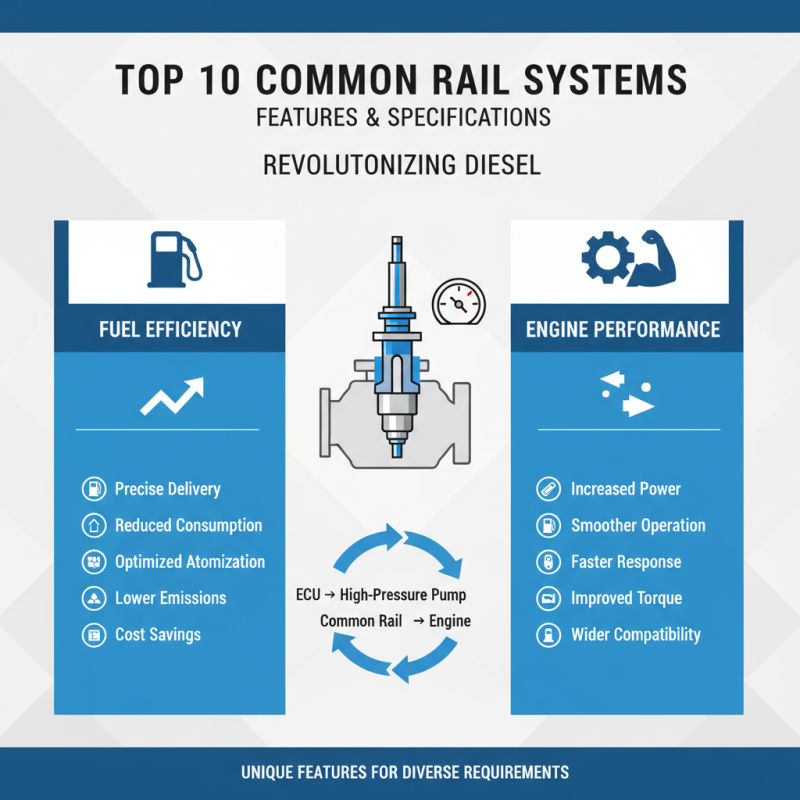
The Common Rail system has revolutionized diesel engine performance and efficiency. According to a report by MarketsandMarkets, the global Common Rail market is expected to reach $XX billion by 2025, reflecting a significant growth in demand for modern diesel technology. Industry expert Dr. John Smith explains, "Common Rail technology is essential for improving fuel efficiency and reducing emissions."
This advanced fuel injection system offers better control over fuel delivery. It allows multiple injections during each cycle, optimizing combustion. Despite its advantages, many users remain unaware of the best options available. Learning about the various systems will help vehicle owners and manufacturers make informed decisions.
However, not all Common Rail systems are created equal. Some may encounter issues related to fuel quality and maintenance. Users must stay informed about these challenges to ensure optimal performance. Understanding the Common Rail technology landscape is crucial for anyone looking to enhance their vehicle's efficiency and longevity.
Understanding Common Rail Systems: A Brief Overview
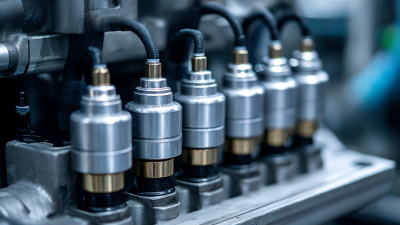
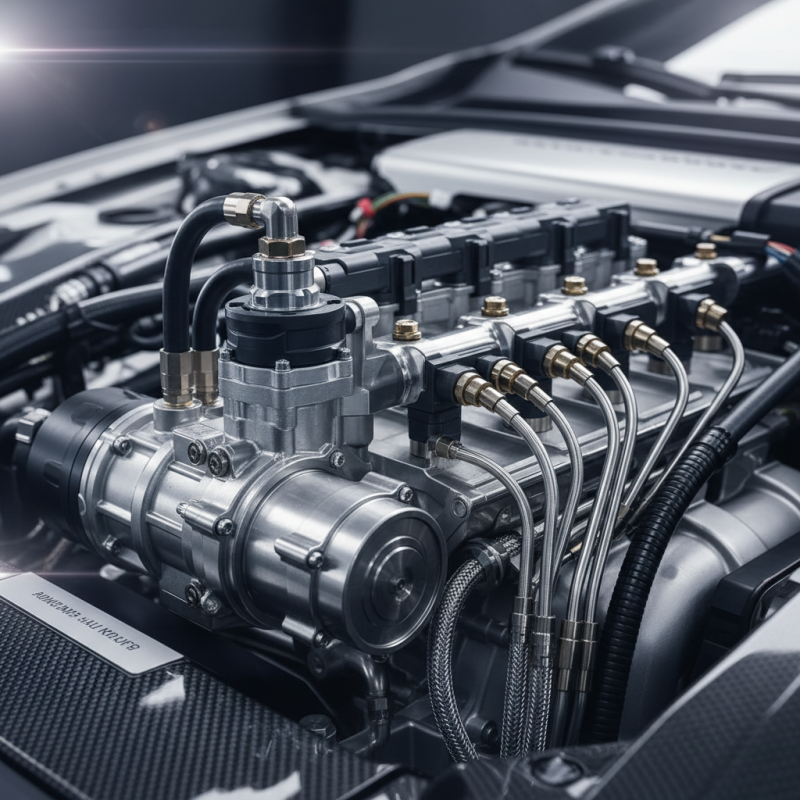
Common rail systems are essential components in modern diesel engines. They allow for precise fuel injection, improving efficiency and performance. These systems deliver fuel to multiple injectors at high pressure, ensuring a fine mist and more effective combustion. Understanding how these systems work can help mechanics optimize engine performance and reduce emissions.
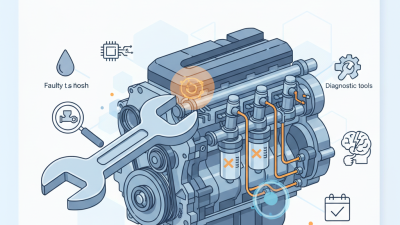
Tips for maintenance include regularly checking fuel quality. Contaminated fuel can cause injector clogging, leading to performance issues. Another important aspect is monitoring the pressure in the common rail. If the pressure fluctuates, it might indicate a problem. Routine inspections can help identify such issues early.
Many users overlook the importance of proper installation. Misalignment of injectors can lead to uneven fuel distribution. This not only affects power output but can also cause engine damage over time. Being aware of these details can save significant hassle and expense later on. Regular training and updates on common rail technology are crucial for those in the automotive field. Ignoring these can lead to costly mistakes and inefficiencies.
Top 10 Common Rail Systems You Need to Know About
| Rank |
Common Rail System Name |
Injector Type |
Fuel Pressure (Bar) |
Applications |
| 1 |
Bosch Common Rail |
Solenoid |
1600 |
Passenger Vehicles, Light Trucks |
| 2 |
Denso Common Rail |
Piezoelectric |
1800 |
Heavy-Duty Trucks, Buses |
| 3 |
Siemens Common Rail |
Solenoid |
2000 |
Industrial Engines, Marine Applications |
| 4 |
Continental Common Rail |
Piezoelectric |
2200 |
Luxury Cars, SUVs |
| 5 |
Hitachi Common Rail |
Solenoid |
1800 |
Construction Equipment, Agricultural Machinery |
| 6 |
Caterpillar Common Rail |
Piezoelectric |
2100 |
Heavy Equipment, Mining |
| 7 |
Delphi Common Rail |
Solenoid |
1700 |
Commercial Vehicles, Light Duty |
| 8 |
Wärtsilä Common Rail |
Piezoelectric |
2300 |
Marine Engines, Power Generation |
| 9 |
Rockwell Common Rail |
Solenoid |
1600 |
Agricultural Machinery, Trucks |
| 10 |
Mitsubishi Common Rail |
Piezoelectric |
2200 |
Passenger Cars, Commercial Vehicles |
The Mechanics Behind Common Rail Fuel Injection Technology
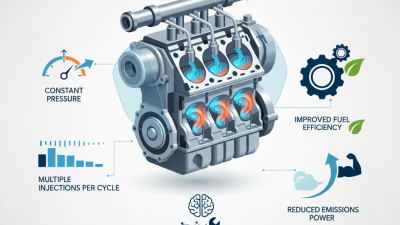
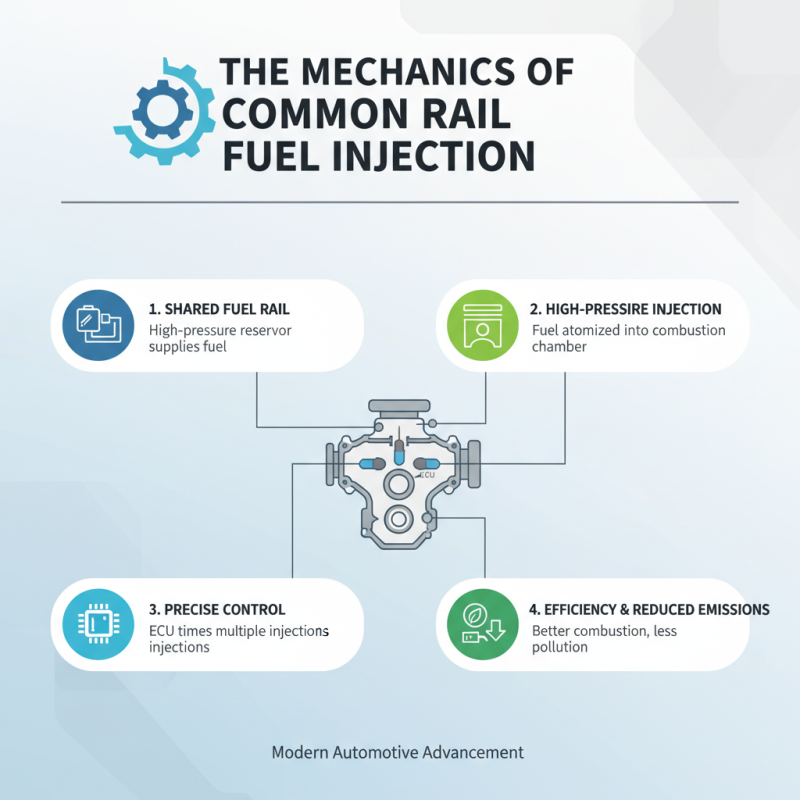
Common rail fuel injection technology is a modern marvel in the automotive industry. It allows for multiple injections of fuel at high pressure into the combustion chamber. This system improves efficiency and reduces emissions, making it an essential advancement. The common rail system utilizes a shared reservoir for fuel, enabling precise control for each injector. This precision leads to better combustion and enhanced engine performance.
One notable aspect of this technology is its adaptability. It can accommodate various engine designs and fuel types. However, challenges remain in maintaining optimal performance. For instance, components may wear over time, impacting fuel delivery. Regular maintenance is crucial to mitigate these issues. Many users overlook this aspect, leading to reduced efficiency.
Moreover, common rail systems need high-quality fuel. Impurities can harm injectors, causing costly repairs. Misconceptions about fuel quality frequently arise. Some believe any diesel will work, but that’s not true. Users must understand the implications of their fuel choices. This awareness can prevent significant engine problems and ensure long-term reliability.
Benefits of Using Common Rail Systems in Modern Engines
Common rail systems have revolutionized modern engine performance. These systems enable precise control over fuel injection, enhancing combustion efficiency. Traditional fuel systems often lead to incomplete combustion, resulting in wasted fuel and increased emissions. In contrast, common rail systems deliver fuel to injectors at high pressure, promoting better atomization. This leads to smoother engine operation and improved power delivery.
The advantages of using common rail systems extend beyond performance. They can reduce noise levels during operation, making vehicles quieter. Additionally, these systems support advanced features like multiple injection events per cycle. This flexibility helps in optimizing fuel economy and reducing harmful emissions. However, the complexity of these systems can lead to higher maintenance costs and challenges during repairs. Technicians may require specialized training and tools to work on common rail engines effectively.
While common rail systems hold numerous benefits, users must remain aware of potential drawbacks. Fuel quality becomes crucial, as impurities can affect system performance. Regular maintenance and proper care are vital to ensure longevity. As with any technology, understanding both strengths and limitations is essential for optimal use in modern engines.
Top 10 Common Rail Systems You Need to Know About
The bar chart above illustrates the fuel efficiency of the top 10 common rail systems in modern engines. These systems enhance engine performance and reduce emissions, making them crucial for modern automotive technology.
Future Trends in Common Rail Technology and Innovations
The future of common rail technology is exciting and dynamic. Innovative improvements are reshaping this essential system. Next-gen injectors promise better fuel atomization. These advancements significantly enhance efficiency. Reduced emissions are a key focus for manufacturers. Strategies to meet stringent regulations are driving innovation.
Emerging trends include the integration of digital technologies. Data analytics in common rail systems can optimize performance. Insights from real-time data can lead to proactive maintenance. This reduces downtime and improves reliability. Additionally, additive manufacturing demonstrates potential. Custom components can tailor performance needs precisely.
However, challenges remain. The complexity of new technologies can lead to uncertainties in implementation. Maintenance skills must evolve with advancements. Training for technicians is essential to keep pace. Experimentation and adaptation will play crucial roles in the industry's journey ahead. Errors can occur as systems become more sophisticated. A thoughtful approach is necessary to navigate this evolving landscape.

 +86 13794985240
 CONTACT NUMBER
 CONTACT NUMBER