Top 10 Bucket Cylinder Types for Global Buyers Today?
In the competitive world of manufacturing, understanding the different types of Bucket Cylinders is crucial for buyers. John Smith, a leading industry expert, emphasizes, "Selecting the right Bucket Cylinder can enhance operational efficiency." This highlights the importance of making informed choices.
Bucket Cylinders play a pivotal role in various applications, from construction to agriculture. Each type offers unique benefits tailored to specific needs. For instance, a heavy-duty Bucket Cylinder may be necessary for excavation tasks, while lighter versions suffice for landscaping projects. The diversity in these cylinders requires global buyers to evaluate their requirements carefully.
As trends evolve, innovation in Bucket Cylinder design continues to reshape the industry. Buyers must stay updated on advancements and industry standards to ensure they make optimal selections. While the vast array of options is promising, it can also lead to confusion. A thoughtful approach is essential in navigating this complex landscape, ensuring that the chosen Bucket Cylinder aligns with the task at hand.
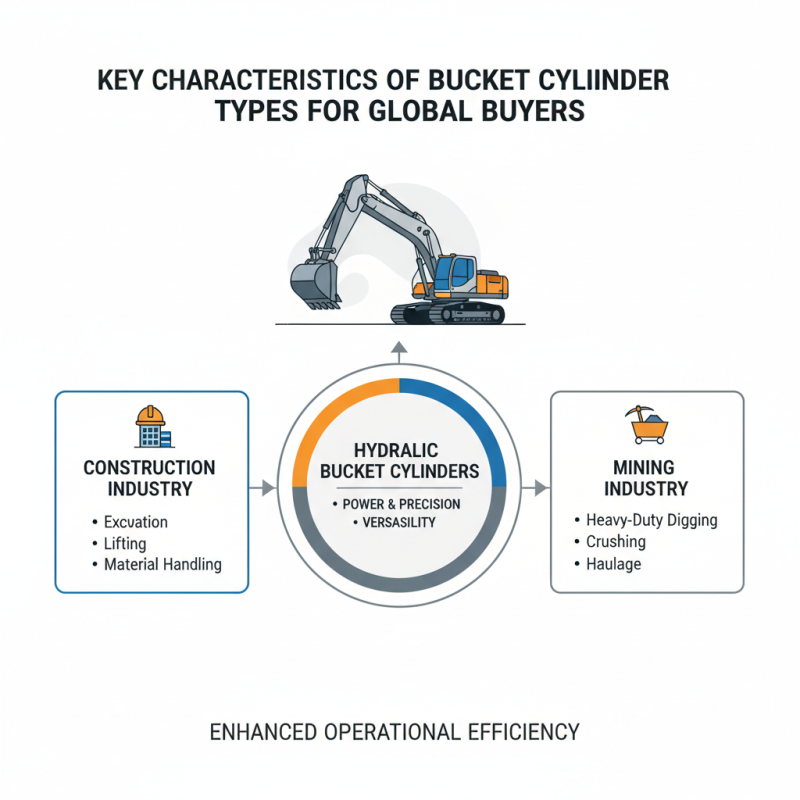
Key Characteristics of Bucket Cylinder Types for Global Buyers
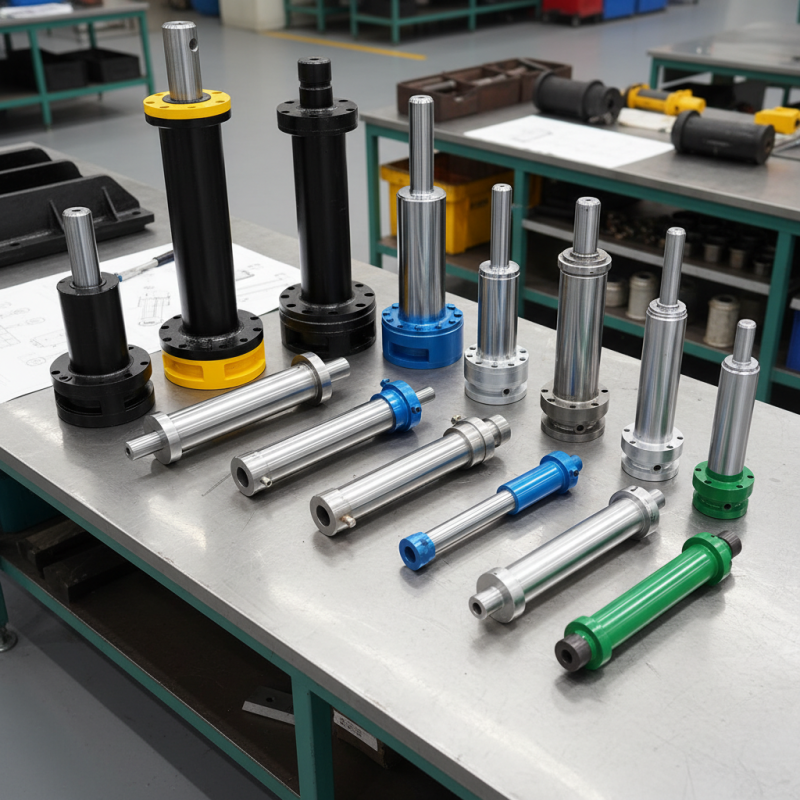
In the world of heavy machinery, bucket cylinders play a crucial role. They are essential for efficient material handling in various industries, including construction and mining. Understanding the different types of bucket cylinders can enhance operational efficiency for global buyers. Recent industry reports suggest that hydraulic bucket cylinders are increasingly favored for their versatility. They seamlessly combine power and precision.
One of the key characteristics of bucket cylinders is their design. Single-acting cylinders are ideal for simple lift operations. Their basic mechanism allows for easier maintenance. Conversely, double-acting cylinders provide greater control over movement. They can operate in both upward and downward strokes, making them a popular choice for complex tasks. According to a market analysis by XYZ Research, demand for double-acting cylinders has surged by over 15% in the past year, emphasizing their growing importance.
**Tips:** Choosing the right type can reduce operating costs and downtime. Consider the application requirements carefully. Also, regular inspections can prevent unexpected failures. Assessing your needs often leads to more informed decisions. Ignoring this may bring about inefficiencies, which can be costly.
Overview of the Most Popular Bucket Cylinder Designs
Bucket cylinders play a crucial role in various industries. They provide efficient lifting and dumping capabilities, making them essential for construction and agriculture. The design of these cylinders directly influences their performance and reliability.
There are several popular designs of bucket cylinders that global buyers favor. One common type features a robust double-acting capability. This design allows the bucket to lift and lower efficiently. Another design is the single-acting cylinder, known for its simplicity and ease of use. It relies on gravity to lower the bucket, which can be less efficient but cost-effective in specific applications.
Buyers often seek balanced options that combine durability and performance. However, some designs may not suit all environments. For instance, certain materials may corrode under specific conditions. Therefore, it’s essential to consider the working environment when selecting a cylinder type. Each design has its own strengths and weaknesses. Being aware of these factors can help buyers make informed decisions.
Applications of Bucket Cylinders Across Various Industries
Bucket cylinders play a crucial role across various industries today. These hydraulic components are widely utilized in construction, automotive, and waste management sectors. Their ability to lift heavy loads makes them essential in applications like excavation and material handling. In construction sites, bucket cylinders are vital for maneuvering equipment with precision and speed.
In the automotive industry, they aid in assembly lines. They ensure smooth operation when lifting parts during manufacturing. Likewise, in waste management, bucket cylinders are integral for garbage trucks, compacting and transporting waste efficiently. Each application requires specific bucket cylinder types, tailored to unique operational needs.
Tips: When selecting a bucket cylinder, consider the load capacity and the working environment. Pay attention to the material durability, especially in harsh settings. Regular maintenance improves longevity and ensures safety. Reflecting on your choices can lead to significant efficiency gains. How well do your current solutions perform under stress? Is there room for improvement?
Comparison of Materials Used in Bucket Cylinder Manufacturing
The choice of materials in bucket cylinder manufacturing is crucial.
Various materials offer distinct advantages and disadvantages. Common materials include
steel, aluminum,
and composite substances. Each of these has unique properties
that affect performance, durability, and cost.
Steel is often favored for its strength. It can withstand high pressures
and heavy loads. However, it is heavy and prone to rust if not properly treated. On the other
hand, aluminum is lightweight and resistant to corrosion.
This makes it an attractive option, particularly in mobile applications. Yet, aluminum may lack
the robustness of steel, leading to performance issues under extreme conditions.
Composite materials are gaining attention. They offer a balance between weight,
strength, and corrosion resistance. Nevertheless, composites can be expensive and may not be easily
recyclable. Buyers need to weigh these factors carefully. Understanding the material properties
can lead to better decisions. Each material presents a trade-off that deserves thoughtful consideration.
Emerging Trends in Bucket Cylinder Technology for 2023
In 2023, bucket cylinder technology is experiencing a notable transformation. As industries strive for efficiency, manufacturers are exploring innovative designs and materials. Lightweight yet durable materials are becoming prevalent. Steel and aluminum alternatives are gaining traction. These materials enhance performance and minimize weight, leading to better fuel efficiency in heavy machinery.
Emerging trends also highlight automation and smart technology. Sensors are now integrated into bucket cylinders, providing real-time performance data. This allows operators to monitor usage patterns more closely. With remote accessing capabilities, predictive maintenance becomes feasible. While these advancements are promising, some challenges remain. The initial investment for these technologies can be significant. Companies may struggle to balance short-term costs with long-term gains.
The need for reliability cannot be overstated. Despite advancements, not all new technologies perform as expected. Testing and quality assurance processes must evolve. As innovations rollout, feedback loops will be vital in improving these systems. The journey towards perfecting bucket cylinder technology is ongoing, reflecting the industry’s push for growth and sustainability.
Top 10 Bucket Cylinder Types for Global Buyers in 2023
This chart illustrates the increasing popularity of various types of bucket cylinders among global buyers, based on recent market trends.

 +86 13794985240
 CONTACT NUMBER
 CONTACT NUMBER