Top Bucket Teeth Options for Heavy Machinery Buyers?
When it comes to heavy machinery, choosing the right components is critical. Bucket teeth are among the most essential parts of any excavating equipment. They play a vital role in enhancing digging efficiency and extending the service life of the bucket. However, not all bucket teeth are created equal.
Buyers often face challenges in selecting the appropriate bucket teeth that match their specific needs. There are many types available on the market, each designed for different applications. Understanding the material, shape, and compatibility with existing machinery is crucial.
Many buyers overlook these factors and end up with subpar products. This can result in increased maintenance costs and downtime. It's important to invest time in research and seek expert advice. Making an informed choice ensures better performance and reliability in the field.
Understanding Bucket Teeth: Key Features and Benefits
When selecting bucket teeth for heavy machinery, understanding their features is crucial for efficiency. Durable materials like high-quality steel enhance performance under harsh conditions. A hard-faced design prolongs the life of the teeth, providing greater resistance to wear. This ensures that operators spend less time on replacements.
The shape of bucket teeth matters too. Sharper edges can penetrate tough surfaces, saving time and reducing fuel consumption. Additionally, using the right size can improve load capacity. However, not all teeth are suitable for all machines. Regular assessments of machinery and teeth compatibility are important.
Choosing the right bucket teeth also involves considering local conditions. For example, rocky terrains may require stronger teeth compared to muddy environments. Reflecting on past experiences helps in making informed choices. Ultimately, the right teeth can significantly improve productivity, while the wrong ones may lead to even greater expenses.
Types of Bucket Teeth for Heavy Machinery: A Comprehensive Overview
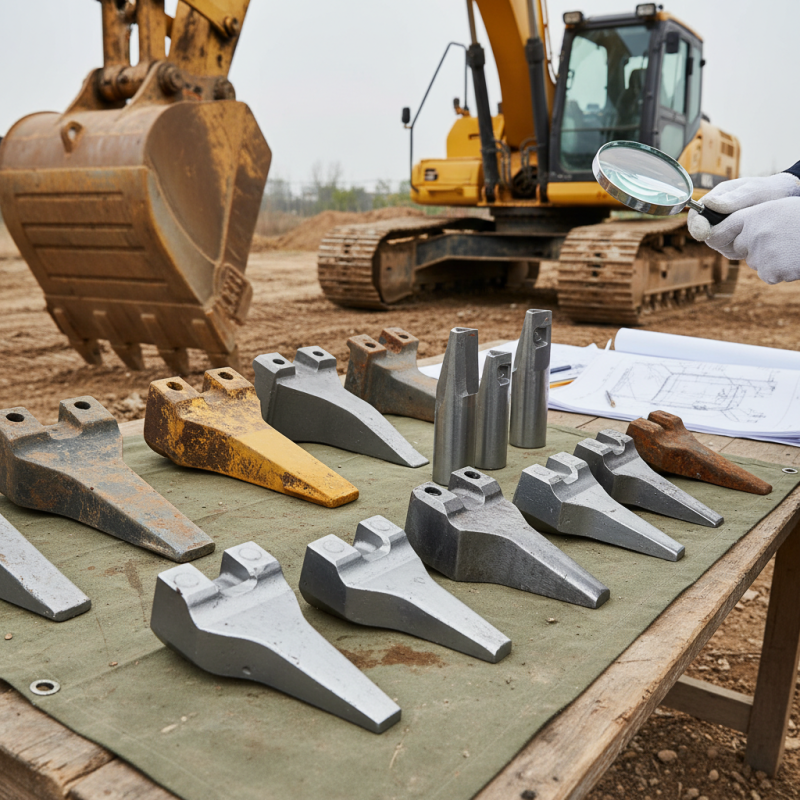
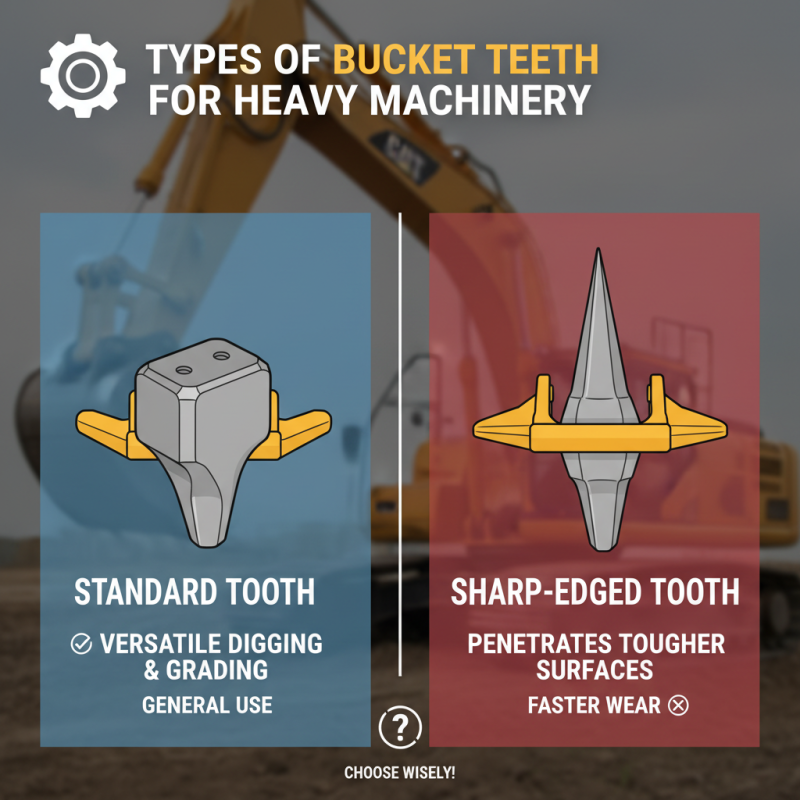
When selecting bucket teeth for heavy machinery, understanding the options is crucial. Various types exist, each designed for specific tasks. The standard tooth is versatile, suitable for digging and grading operations. It’s built for general use but might not excel in specialized situations. Consider the sharp-edged teeth; they penetrate tougher surfaces more effectively. However, they often wear out faster.
Another choice is the heavy-duty tooth. This option delivers durability in extreme environments. While it may last longer, it can be heavier and affect machine performance. Additionally, there are multi-purposed teeth. These are adaptable for diverse jobs, making them appealing for contractors needing flexibility. Drawing from experiences, the right choice depends on the specific tasks and conditions you face.
The complexity of these options highlights the importance of careful selection. Misjudging the needs can lead to inefficiencies. Investing time in analysis pays off in the long run. Each project might challenge your previous assumptions about machinery effectiveness. Making better-informed choices can lead to more productive outcomes in the field.
Selecting the Right Material for Bucket Teeth: Durability and Performance
Selecting the right material for bucket teeth is crucial for enhancing the performance of heavy machinery. Durability is a top concern for operators. Steel and alloy options often dominate the market. However, composite materials are gaining traction due to their lightweight and robust characteristics. Understanding the specific conditions your machinery will face is vital in making the right choice.
Tips for selecting materials: consider the type of soil or rock you’ll encounter. Harder materials require tougher teeth to reduce wear. Also, check the compatibility of the teeth with your existing equipment. Replacement parts should align well with your machine to avoid operating issues. Don't forget to assess the maintenance requirements for each material type, as some may need more frequent checks.
Experimenting with various options can lead to a better understanding of what suits your needs best. Trial and error can be enlightening. Monitoring wear rates and performance over time helps validate your choice. Being open to adjusting strategies based on results will ultimately lead to more efficient operations.
Popular Brands and Their Bucket Teeth: A Buyers' Guide
When purchasing bucket teeth for heavy machinery, buyers should consider several factors. The right bucket teeth enhance efficiency and productivity on the job site. One key aspect is the material used. Common materials include alloys and high-carbon steel. Each offers different durability levels. Alloy teeth often withstand wear better but can be pricier.
Another important point is compatibility. Ensure the bucket teeth fit your specific machine model. Many manufacturers create teeth that match a variety of machines. However, not all are interchangeable. Taking accurate measurements is crucial. Otherwise, you could end up with ill-fitting parts.
Ask for recommendations from industry professionals. Their insights can help you choose wisely. Reading reviews can be helpful too. Yet, it is essential to analyze both positive and negative feedback. Real user experiences provide a clearer picture of performance and longevity. Remember, the most expensive option may not always be the best choice. Balancing cost and quality should guide your decision-making process.
Maintenance Tips for Extending the Life of Bucket Teeth
Proper maintenance of bucket teeth is crucial for heavy machinery operations. Regular inspection is one of the best practices to extend the life of these components. According to industry reports, poorly maintained bucket teeth can lead to increased operational costs and downtime. For example, a study revealed that up to 30% of machinery failures stem from neglect of simple maintenance routines.
In addition to regular inspections, proper cleaning is essential. Dirt and abrasive materials can accelerate wear and tear. It’s vital to implement cleaning procedures after each use. Additionally, applying a protective coating to the bucket teeth can mitigate corrosion and wear from harsh environments. This practice can enhance their lifespan significantly, yielding a return on investment.
Monitoring wear patterns on bucket teeth is another technique that experts recommend. If uneven wear is noticed, it often indicates a need for adjustments in operation or technique. Ignoring this could lead to premature failures. A proactive approach ensures efficiency while also maintaining safety standards on the job site. Investing time in maintenance can save substantial resources in the long run, reinforcing its importance in the industry.
Top Bucket Teeth Options for Heavy Machinery Buyers

 +86 13794985240
 CONTACT NUMBER
 CONTACT NUMBER