Leave Your Message

Top Engine Cylinder Block Manufacturers for Global Buyers

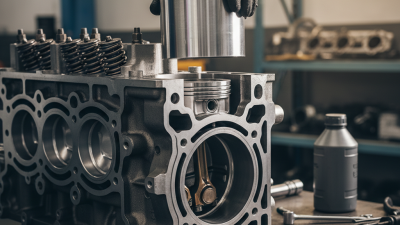
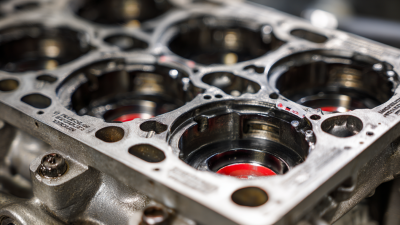
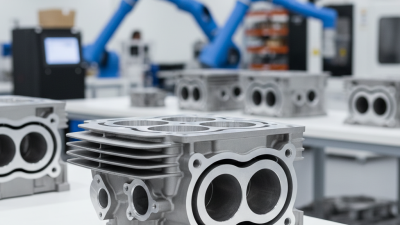
Choosing reliable engine cylinder block manufacturers requires more than comparing prices on a supplier website. For global buyers, the right Engine Cylinder Block must match the engine design, operating conditions, and production schedule. Materials, casting methods, machining accuracy, and inspection systems can directly affect service life. A small flaw around a cylinder bore may become a costly field failure. Details matter.

This guide examines manufacturers with proven capabilities in automotive, commercial vehicle, agricultural, and industrial applications. It considers manufacturing experience, engineering support, quality certifications, and export performance. Buyers should review material grades, dimensional reports, pressure-testing records, and traceability documents before placing an order. Factory audits can also reveal important details, such as housekeeping, equipment maintenance, and how rejected castings are handled. A professional supplier should explain these processes clearly, not hide behind broad marketing claims.

The comparison also considers tooling support, minimum order quantities, customization, packaging, and after-sales communication. A strong manufacturer may provide 3D drawings, sample development, and technical responses within a practical timeframe. However, no supplier is perfect. Some excel at high-volume production but offer limited customization. Others provide excellent engineering support but require longer lead times. That difference matters when selecting a partner for global procurement. Buyers should verify every important claim independently and compare evidence from multiple sources. The final choice should balance quality, cost, delivery reliability, and long-term technical support. This approach helps companies reduce avoidable risks while building a dependable supply chain for engine components.
Top Engine Cylinder Block Manufacturers for Global Buyers

Engine Cylinder Blocks: Types, Materials, and Core Functions

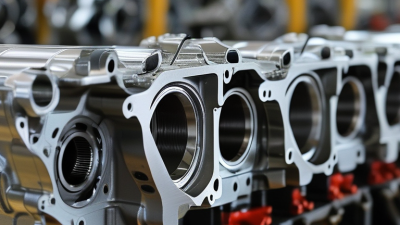
Engine cylinder blocks form the structural heart of an engine. For global buyers, understanding their types helps match performance, cost, and maintenance needs. Inline blocks suit compact engines and simpler production lines. V-shaped blocks support higher power in a shorter engine bay. Flat or opposed blocks offer a low center of gravity, but their packaging can be more complex. Type affects cooling, vibration, machining, and installation space.

Gray cast iron remains popular because it resists wear and absorbs vibration. It is heavy, though. Aluminum alloys reduce vehicle weight and transfer heat quickly. However, aluminum blocks need careful bore reinforcement and thermal control. Compacted graphite iron provides greater strength for demanding diesel applications. Material selection should reflect load, fuel type, service temperature, and expected operating hours. A 0.02-millimeter bore error can influence oil use and piston movement. Small details matter.

The block supports crankshaft bearings, cylinder bores, oil passages, and coolant jackets. These features keep combustion forces controlled and lubrication consistent. Core functions also include sealing the head gasket and maintaining accurate alignment. Buyers should review casting quality, heat-treatment records, machining reports, and pressure-test results. Ask for measurable evidence, not attractive claims. No design is perfect. Even experienced teams can overlook distortion after machining or shipping. A careful supplier assessment should include sample inspection, dimensional checks, and clear communication about tolerances.
Engine Cylinder Blocks: Types, Materials, and Core Functions

Typical density comparison of widely used cylinder-block materials for global engine applications

Aluminum alloys provide substantial weight savings, while gray cast iron, compacted graphite iron, and ductile iron offer higher density, stiffness, wear resistance, and durability. Cylinder blocks support the cylinders, maintain crankshaft and bearing alignment, contain combustion loads, and provide passages for coolant and lubricating oil. Values shown are representative engineering values; exact density varies by alloy and grade.

How to Evaluate Global Cylinder Block Manufacturers

Evaluate a global cylinder block manufacturer through evidence, not polished promises. Request material certificates, dimensional reports, and traceability records for each production batch. Experienced suppliers should explain casting methods, alloy control, heat treatment, and machining tolerances in practical language. Ask for samples from the same line serving regular orders. A perfect prototype proves little.

Inspect the block physically when possible. Check gasket surfaces, cylinder bores, oil passages, threaded holes, and casting seams under proper light. Measure critical dimensions with calibrated equipment, then compare results with the approved drawing. Manufacturing engineers should provide inspection plans and clear responses to nonconformities. Look for stable process data, not only a final pass label. Independent testing can verify hardness, porosity, pressure resistance, and fatigue performance.

Global supply adds other risks. Confirm export documents, packaging methods, lead times, and spare-part support before signing. Review the manufacturer’s quality certificates directly with the issuing body when practical. Ask how claims are handled across time zones. Fast answers matter. However, I would not treat quick communication as proof of reliable production. My own early evaluations sometimes trusted photographs too much. That mistake made hidden machining damage expensive to discover. A controlled pilot order, witnessed inspection, and written acceptance criteria provide stronger evidence than a confident sales presentation.

Leading Manufacturing Regions and Supplier Capabilities

Top Engine Cylinder Block Manufacturers for Global Buyers

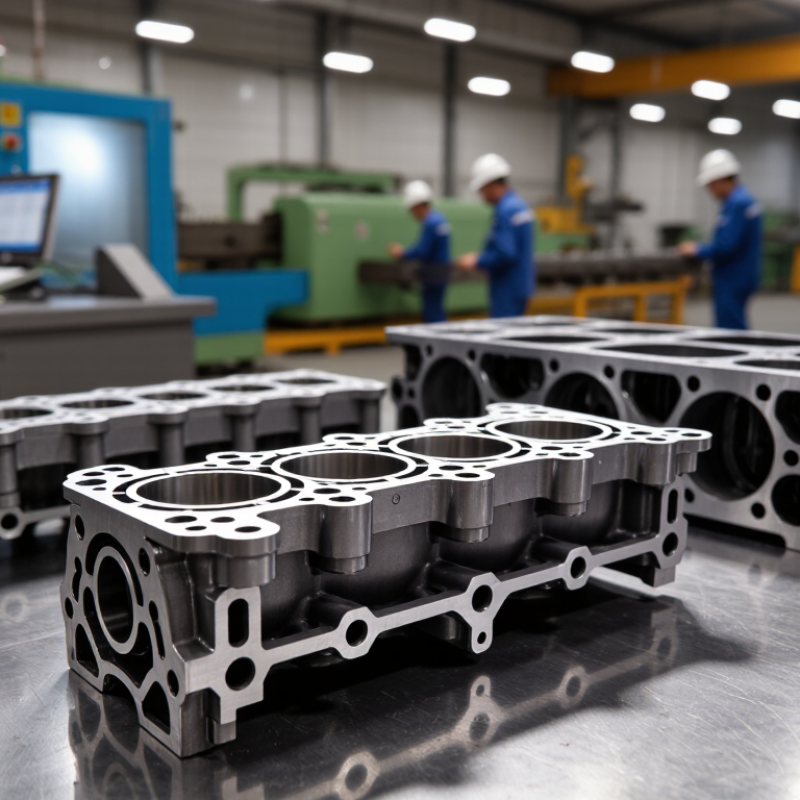
Leading manufacturing regions differ in equipment, workforce, and quality control. East Asia offers strong casting capacity and competitive production costs. Many suppliers operate automated molding lines, coordinate measuring machines, and multi-axis machining centers. Their facilities often support aluminum and cast-iron cylinder blocks. Buyers should verify actual production records, not rely on catalog claims.

Central Europe Central Europe is known for strict process engineering and detailed traceability. Manufacturers there commonly provide material certificates, dimensional reports, and controlled heat-treatment records.

North America North American suppliers often serve heavy-duty and performance applications. They may offer advanced prototyping, low-volume development, and close engineering support. These advantages can reduce design errors during early production.

India and Southeast Asia provide expanding capacity and flexible sourcing options. Several factories combine manual inspection with modern CNC equipment. That combination can work, but consistency must be checked carefully. Request sample blocks, process flow charts, and recent inspection data. A capable supplier should explain porosity testing, oil passage inspection, and machining tolerances clearly.

Experience matters here. I once saw a promising sample fail after repeated thermal testing. The machining looked excellent, but internal porosity was overlooked. No region is perfect. Global buyers should audit supplier capability, review certification scope, and compare production samples before signing long-term agreements. Delivery speed also deserves attention, because tooling changes can quietly extend lead times.

Production Standards, Quality Control, and Testing Methods

For global buyers, production standards reveal more than a polished factory tour. The World Foundry Organization’s 2023 World Casting Census reported about 109.7 million tonnes of castings produced worldwide in 2022. This scale makes process discipline essential. Reliable cylinder block manufacturers normally operate under ISO 9001 and IATF 16949 quality systems. They should control alloy chemistry, melt temperature, mold moisture, and machining tolerances through documented procedures. Each batch needs traceability from furnace charge to finished component.

Testing must examine hidden defects, not only surface appearance. Spectrometer checks verify chemical composition before casting. Hardness testing and metallographic inspection confirm the expected microstructure. Coordinate-measuring machines compare bore position, deck flatness, and bearing alignment with approved drawings. Pressure testing can expose porosity around water jackets and oil passages. For critical castings, industrial computed tomography provides a useful view of internal shrinkage and inclusions. ASTM E505 and related nondestructive testing practices can support defect evaluation, but buyers should confirm the exact method and acceptance limit.

Ask for control charts, calibration records, sample reports, and corrective-action evidence. Not just certificates. Statistical process control is valuable when measurements repeat across production lots, although it can be misused as paperwork. The 2024 Deloitte Global Automotive Supplier Study also highlights ongoing pressure on suppliers to improve resilience, cost control, and operational transparency. A factory may pass an audit and still produce unstable parts. Independent validation remains sensible, especially for first-article approval and major process changes.

Global Purchasing Factors: Cost, Logistics, and After-Sales Support

For global buyers, engine cylinder block sourcing begins with the real landed cost, not the factory quotation. A low unit price can hide machining fees, export packaging, customs charges, and inland delivery. Request a detailed cost sheet with material grade, testing scope, minimum order quantity, and payment terms. Compare equivalent specifications. Otherwise, the cheapest offer may be misleading.

Logistics requires practical planning. Confirm the port, loading schedule, shipping term, and crate dimensions before placing an order. Cast iron blocks need strong moisture protection, especially during long sea transport. Ask for photos of sealed crates and lifting points. A pre-shipment inspection can verify dimensions, bore alignment, surface finish, and serial records. Small errors become expensive after arrival. Delays still happen, even with careful planning.

After-sales support should be measurable. Require a written warranty period, response time, replacement process, and technical contact. Good manufacturers can provide inspection reports, installation guidance, and traceable production records. However, buyers should not trust paperwork alone. Keep incoming inspection data and record any defect with clear photos. One practical weakness is assuming every issue comes from the supplier. Incorrect storage or assembly can also cause failure. That point deserves honest review.

Top Engine Cylinder Block Manufacturers for Global Buyers - Global Purchasing Factors: Cost, Logistics, and After-Sales Support
Evaluation Dimension Cast-Iron Cylinder Block Supplier Aluminum Cylinder Block Supplier High-Volume OEM-Oriented Supplier Flexible Custom Supplier Buyer Verification Point
Primary Material Gray cast iron or compacted graphite iron, selected for stiffness, wear resistance, and vibration damping. Aluminum-silicon alloy, commonly selected for lower mass and improved heat transfer. Material specified through an approved drawing, alloy standard, and controlled supplier list. Material can generally be matched to the application, tooling, and annual volume. Request chemical-composition reports, heat numbers, and material traceability records.
Approximate Material Density Approximately 6.8–7.4 g/cm³ for common cast-iron grades. Approximately 2.6–2.8 g/cm³ for common aluminum-silicon alloys. Depends on the approved alloy and design; the value should be stated on the material specification. Depends on selected material and casting or machining route. Compare the supplier’s declared density with the applicable alloy standard and part mass.
Typical Manufacturing Routes Sand casting or precision molding followed by heat treatment, machining, cleaning, and pressure testing. High-pressure die casting, low-pressure casting, or gravity casting followed by heat treatment and machining. Dedicated tooling, automated machining, in-line inspection, and controlled production planning. Prototype or low-volume casting, flexible CNC machining, and application-specific inspection. Confirm process flow, tooling ownership, inspection gates, and subcontracted operations.
Cost Position Often competitive for heavy-duty designs and larger production volumes; transport weight can increase landed cost. Material and tooling costs may be higher, but lower part weight can reduce handling and freight costs. Usually most cost-efficient after tooling amortization at stable, high annual demand. Usually more competitive for prototypes, replacement parts, and small or variable order quantities. Compare total landed cost: part price, tooling, packaging, freight, duties, testing, and warranty exposure.
Tooling and Sample Lead Time Common planning range: 6–16 weeks, depending on casting method, block size, and machining requirements. Common planning range: 8–20 weeks when new die-casting or permanent-mold tooling is required. May require longer industrialization planning because of validation, process capability, and production approval. May provide faster samples when existing tooling or machining fixtures can be adapted. Obtain a milestone schedule covering design review, tooling, first samples, testing, and approval.
Production Lead Time Often 6–12 weeks after production release, depending on capacity and batch size. Often 8–16 weeks after production release when casting, heat treatment, and machining are included. Typically scheduled against forecasts, blanket orders, and fixed delivery windows. Often more adaptable to smaller batches, but delivery dates may vary with shared equipment capacity. Request confirmed capacity, minimum order quantity, safety-stock options, and late-delivery remedies.
Quality Management A documented quality system should control casting defects, machining tolerances, cleanliness, and pressure integrity. A documented quality system should control porosity, dimensional stability, heat treatment, and leak performance. Usually supports formal automotive quality planning, process capability studies, and production-part approval. Quality controls should be clearly defined for each project because processes may be more customized. Check certification scope, control plans, measurement-system analysis, corrective-action records, and audit access.
Relevant Standards and Approvals ISO 9001 is a common quality-management reference; additional automotive requirements may apply. ISO 9001, material standards, casting specifications, and customer-specific validation requirements may apply. Often expected to support IATF 16949, APQP, PPAP, FMEA, control plans, and customer audits where applicable. ISO 9001 or an equivalent documented system may be suitable for many industrial and aftermarket programs. Verify certificate validity, audit scope, and whether the certificate covers the actual manufacturing site.
Export Packaging Corrosion protection, separators, moisture control, and load-rated pallets are important because of high unit weight. Protective wrapping, impact control, surface protection, and stable palletization are required for machined surfaces. Returnable or standardized packaging may be available for scheduled global programs. Packaging can usually be customized for mixed shipments and lower-volume orders. Confirm packaging specification, gross weight, pallet dimensions, fumigation documents, and corrosion-protection duration.
International Logistics Sea freight is generally suitable for heavy consignments; container utilization strongly affects landed cost. Lower weight can improve freight efficiency, while urgent samples may use air freight or express services. May support scheduled shipments, regional warehousing, and forecast-based replenishment. Often offers flexible shipment quantities, but freight rates may be higher for small lots. Agree on Incoterms 2020, export documents, insurance responsibility, customs classification, and delivery point.
After-Sales Support Support should cover casting defects, machining nonconformities, replacement evaluation, and technical troubleshooting. Support should cover porosity, leakage, dimensional variation, surface damage, and installation-related technical questions. Often provides formal complaint systems, field-failure analysis, and structured corrective-action reports. May provide direct engineering communication and faster design changes for custom applications. Define warranty duration, claim evidence, response time, replacement policy, and responsibility for return freight.
Best-Fit Buyer Profile Heavy-duty engines, industrial equipment, commercial vehicles, and applications prioritizing stiffness and durability. Passenger vehicles, light commercial engines, and applications prioritizing lower mass and heat dissipation. Buyers with stable demand, strict validation requirements, long-term programs, and high annual volumes. Buyers needing prototypes, replacement blocks, engineering changes, or moderate and variable volumes. Match supplier capability to annual demand, technical risk, validation complexity, and required response speed.
Purchasing note: Lead times and cost positions are planning benchmarks rather than quotations. Final commercial terms should be confirmed against the approved drawing, material specification, annual volume, delivery destination, Incoterms 2020, inspection plan, and warranty agreement.