Top 10 Vibrating Compactor Rammer Manufacturers for Buyers
A Vibrating Compactor Rammer may look compact, but its performance can shape the strength and finish of a jobsite base. Global Construction Perspectives and Oxford Economics projected that worldwide construction output would rise by 85%, reaching US$15.5 trillion by 2030. That forecast is a broad industry outlook, not a rammer-sales statistic. Still, it signals why buyers need dependable compaction equipment as projects expand.
Selection takes more than comparing engine power. Soil type, moisture, working space, vibration frequency, impact force, service access, and parts availability all matter. On a narrow trench, a machine that turns easily and starts reliably can save time. On a longer job, weight, handle design, and vibration exposure deserve close attention. Small details count.
Soil-mechanics pioneer Dr. Ralph R. Proctor’s research established the importance of moisture content in soil compaction. A practical paraphrase of that lesson is: “Match the compaction method to the soil, not just the machine’s headline specifications.” This is a paraphrase, not a verified verbatim quotation. It matters because no single rammer suits every material or site.
This Top 10 guide compares manufacturers through buyer-focused criteria: product range, durability, operator comfort, service support, and value over the machine’s working life. Manufacturer claims should still be checked against manuals, dealer support, and job requirements. A glossy specification sheet is not field proof. Think of this list as a starting point, not a substitute for a hands-on assessment.
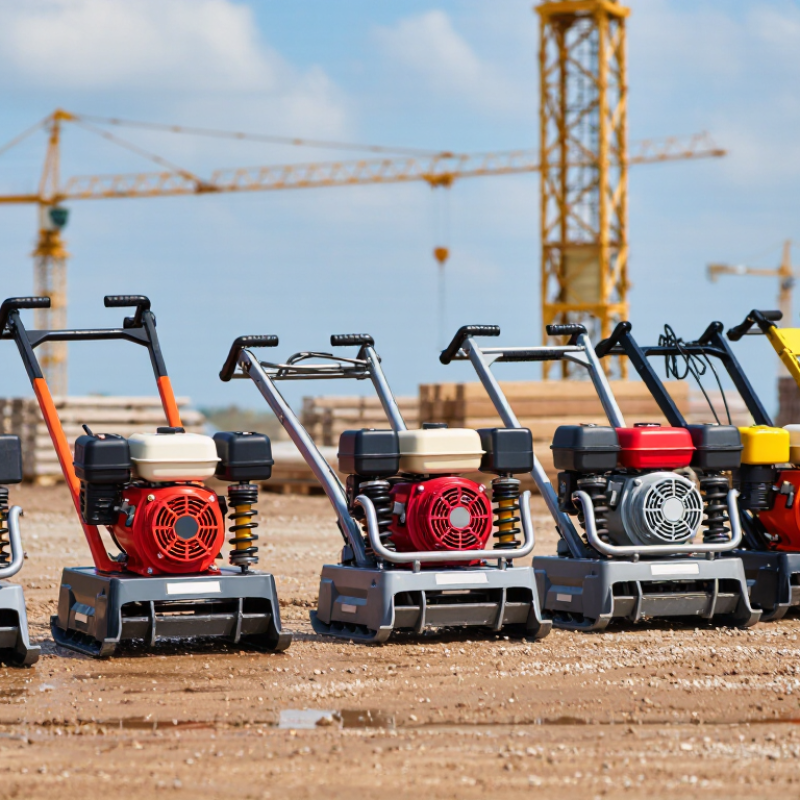
Vibrating Compactor Rammers: Purpose, Design, and Applications
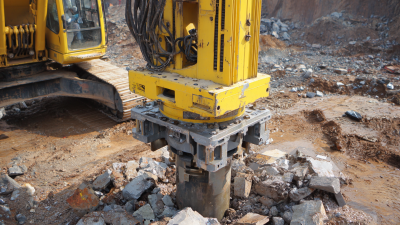
A vibrating compactor rammer is a narrow, high-impact machine for compacting soil where larger rollers cannot work. Its foot moves rapidly, pressing downward and slightly forward with each stroke. This action reduces air gaps and improves ground stability around trenches, foundations, and utility lines.
The design usually includes a compact engine, vibration mechanism, shock-absorbing handle, and steel tamping foot. A balanced frame helps the operator control movement on uneven ground. In practical use, moisture matters greatly. Soil that is too dry may resist compaction, while saturated soil can become soft and unstable. The machine is powerful, but it is not magic.
On construction sites, operators use rammers for clay, mixed soil, backfill, and confined road repairs. Their narrow footprint reaches corners and edges that plate compactors often miss. Experienced buyers should check impact force, operating weight, foot width, vibration frequency, fuel or power requirements, and handle comfort. Maintenance access also deserves attention. A difficult engine inspection can turn a small repair into lost working time.
Safety depends on trained operation, stable footing, and suitable protective equipment. Holding the handle too tightly can increase fatigue and reduce control. I have found that specifications rarely show the whole working experience. Noise, vibration, and ground response can change from one site to another. Testing the rammer on representative soil is often wiser than trusting a catalog alone.
Vibrating Compactor Rammers: Typical Compaction Layer Thickness by Material
Vibrating rammers are commonly used for confined areas such as trenches, utility backfills, foundations, and patch repairs. The recommended compacted layer thickness depends on the material: cohesive soils generally require thinner lifts, while granular materials can often be compacted in thicker layers. Actual results vary with moisture, soil type, machine force, and the number of passes.
Top 10 Vibrating Compactor Rammer Manufacturers
Top 10 Vibrating Compactor Rammer Manufacturers
The top 10 vibrating compactor rammer manufacturers are judged by more than sales volume. Buyers should examine impact force, operating weight, drum or foot design, vibration frequency, and service access. These details determine whether a rammer suits clay, granular soil, trench backfill, or confined repair work. The World Bank’s Global Economic Prospects continues to identify infrastructure investment as a major construction demand driver, while Off-Highway Research reported global construction equipment sales of about 1.2 million units in 2023. This supports steady interest in compact, maneuverable machines.
A reliable manufacturer usually provides clear technical data, parts availability, operator guidance, and documented testing. ISO 16349 offers relevant terminology and performance guidance for soil compactors, although buyers should still verify local compliance requirements. Product comparisons should include fuel or battery runtime, handle vibration, starting performance, noise, and maintenance intervals. Small differences matter.
Field experience can expose weaknesses.
The leading ten suppliers often compete closely on durability and ergonomics. Yet published specifications may not reflect trench conditions, wet soil, or winter starts. This is where buyer judgment matters. Ask for independent test results, warranty terms, and regional service records. The best choice is not always the machine with the highest impact force. Excessive force can damage fragile surfaces or increase operator fatigue. Rankings also remain imperfect because shipment data rarely separates rammers from other compaction equipment.
Top 10 Vibrating Compactor Rammer Manufacturers for Buyers
| No. |
Buyer Comparison Dimension |
What to Check |
Why It Matters |
| 1 |
Compaction application |
Confirm that the rammer is intended for cohesive and mixed soils, trenches, foundations, or other specified jobs. |
Rammers are commonly selected for confined areas and cohesive soils where larger compaction equipment may be difficult to use. |
| 2 |
Operating weight |
Compare the machine’s stated operating weight and check whether it includes fuel and standard attachments. |
Weight affects transport, handling, and the amount of force the machine can apply during operation. |
| 3 |
Impact force and frequency |
Check the manufacturer’s rated impact force and blows per minute, using the same units when comparing models. |
These figures describe key aspects of the machine’s impact action; results also depend on soil type, moisture, and operating technique. |
| 4 |
Ramming shoe dimensions |
Review shoe width and length, and confirm whether alternative shoe sizes are available. |
A narrower shoe can be useful in restricted spaces, while shoe dimensions influence the area covered per pass. |
| 5 |
Engine and fuel |
Verify the engine type, rated power, fuel type, starting method, and applicable emissions information. |
Fuel availability, starting conditions, maintenance needs, and local emissions rules can affect operating suitability. |
| 6 |
Vibration and operator controls |
Ask for declared hand-arm vibration data, handle design details, and the recommended operating procedure. |
Vibration exposure is an important workplace safety consideration; use time and exposure controls in line with applicable regulations. |
| 7 |
Transport and handling |
Check overall dimensions, lifting points, transport wheels, and any recommended loading or tie-down method. |
Compact dimensions and clear handling instructions can simplify moving the machine between sites and into trenches. |
| 8 |
Service access and parts |
Review the maintenance schedule, access to routine service points, parts availability, and service documentation. |
Regular inspection and maintenance help keep the equipment in safe working order and reduce avoidable downtime. |
| 9 |
Safety and documentation |
Request the operator’s manual, safety labels, noise and vibration declarations, and relevant conformity documents. |
Complete documentation helps operators use the machine correctly and supports compliance with local workplace requirements. |
| 10 |
Warranty and local support |
Confirm warranty terms, exclusions, authorized service arrangements, and the process for obtaining replacement parts. |
Clear support terms are useful when estimating ownership costs and planning repairs over the machine’s service life. |
This table is a buyer’s comparison checklist, not a ranked list of named companies. Verify model-specific specifications, safety declarations, and warranty terms in the current product documentation before purchase.
Comparing Performance, Reliability, Support, and Costs
A vibrating compactor rammer should match the soil and the crew’s working conditions, not just look powerful on a specification sheet. Compare impact force, blows per minute, shoe dimensions, and operating weight. A narrow shoe can work neatly in trenches, while a heavier machine may feel tiring during repeated lifts. Check how easily the handle dampens vibration. Your hands notice the difference by mid-shift. Published performance figures can also vary by test conditions, so ask how they were measured.
Reliability shows in practical details: reinforced joints, accessible air filters, sealed bearings, and a shoe that is straightforward to replace. Ask service teams about common wear parts and realistic repair times. Support matters when a machine stops on a wet, crowded jobsite. Clear maintenance instructions and dependable parts availability may save more time than a small purchase discount. Compare warranty coverage carefully, including exclusions for routine wear.
Then estimate ownership cost over several seasons. Include fuel use, scheduled maintenance, transport, parts, and likely downtime. A low-priced rammer may become expensive if local support is slow. Conversely, premium features can be wasted on occasional, light-duty work. It is easy to overvalue a high impact rate; I would still verify that the machine feels controllable on the actual surface. A short site trial may expose handling issues that a brochure will not.

 +86 13794985240
 CONTACT NUMBER
 CONTACT NUMBER