How to Troubleshoot Common Rail Diesel Injection Systems?
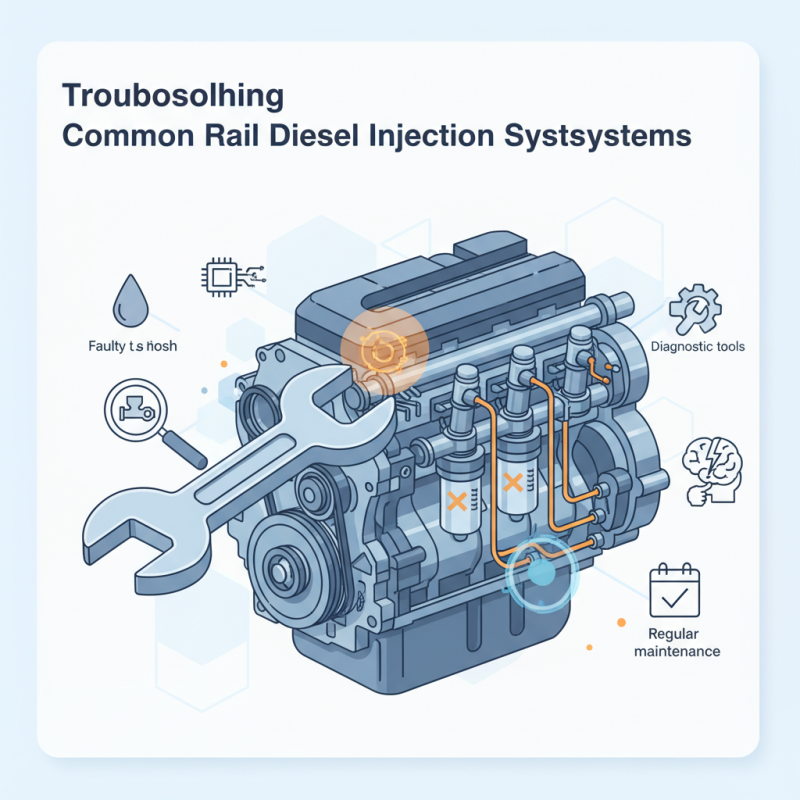
Common Rail diesel injection systems are essential for modern engines. They optimize fuel delivery and improve efficiency. However, these systems can encounter various issues that impact performance.
Understanding Common Rail systems is crucial for effective troubleshooting. Problems may arise from leaks, blockages, or faulty sensors. Diagnosing these issues requires attention to detail and sometimes, intuition.
Many mechanics find it challenging to pinpoint the exact cause of problems. Using diagnostic tools can help, but experience plays a key role. Regular maintenance is vital to prevent common issues from escalating. Engaging with these systems can be complex and may lead to frustration. Yet, learning to troubleshoot effectively can enhance your skills significantly.
Understanding Common Rail Diesel Injection Systems
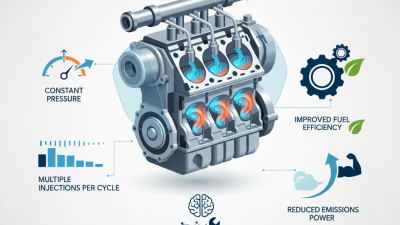
Common rail diesel injection systems have transformed modern diesel engines. They maintain high pressure and allow multiple injections per cycle. This improves efficiency and reduces emissions. A study by the Society of Automotive Engineers (SAE) highlighted that these systems can boost fuel efficiency by up to 15%. However, understanding their complexity is essential for effective troubleshooting.
Key components include the fuel rail, injectors, and pressure control valves. When issues arise, low fuel pressure can lead to misfires. A clogged injector might cause uneven combustion as well. Regular diagnostics can identify these problems early. It's important to note that not all faults are straightforward. A simple sensor malfunction can mimic a more serious issue, leading to unnecessary repairs.
Moreover, operator error is a common factor in system failure. Improper fueling practices or ignoring maintenance schedules can degrade performance. Inadequate cleaning of fuel filters can also hinder fuel flow. Reports suggest that over 30% of diesel engine issues arise from lack of proper maintenance. Constantly monitoring performance and understanding system responses are critical for keeping common rail systems running smoothly.
Identifying Common Issues in Diesel Injection Systems
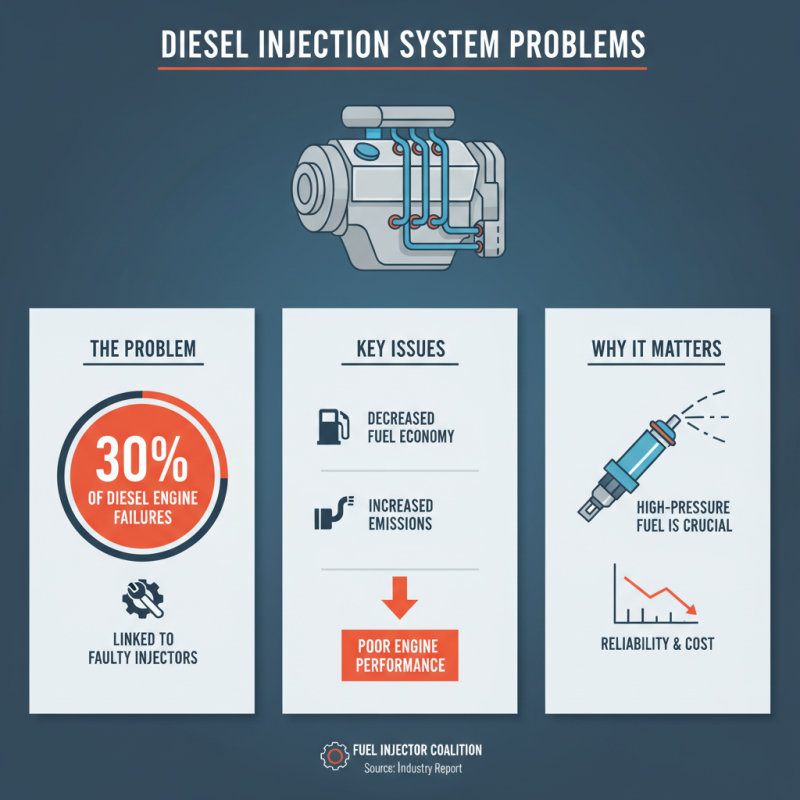
Identifying common issues in diesel injection systems is crucial for engine performance. Diesel engines rely on high-pressure fuel injection to operate efficiently. A report by the Fuel Injector Coalition states that around 30% of diesel engine failures are linked to faulty injection systems. Such problems can lead to decreased fuel economy and increased emissions.
Clogged fuel filters are often the culprits. They restrict fuel flow, causing delivery issues. Moreover, worn injectors can spray fuel unevenly, affecting combustion. A study from the Diesel Technology Forum revealed that replacing faulty injectors improved efficiency by over 15%. These insights indicate that regular maintenance is vital.
Faulty sensors are another issue. The fuel pressure regulator can malfunction, leading to over or under-fueling. Symptoms include rough idling and increased exhaust smoke. Ignoring these signs may lead to more severe engine damage. Engine diagnostics may not always pinpoint these irregularities, necessitating a hands-on approach to troubleshooting.
Step-by-Step Diagnostic Procedures for Troubleshooting
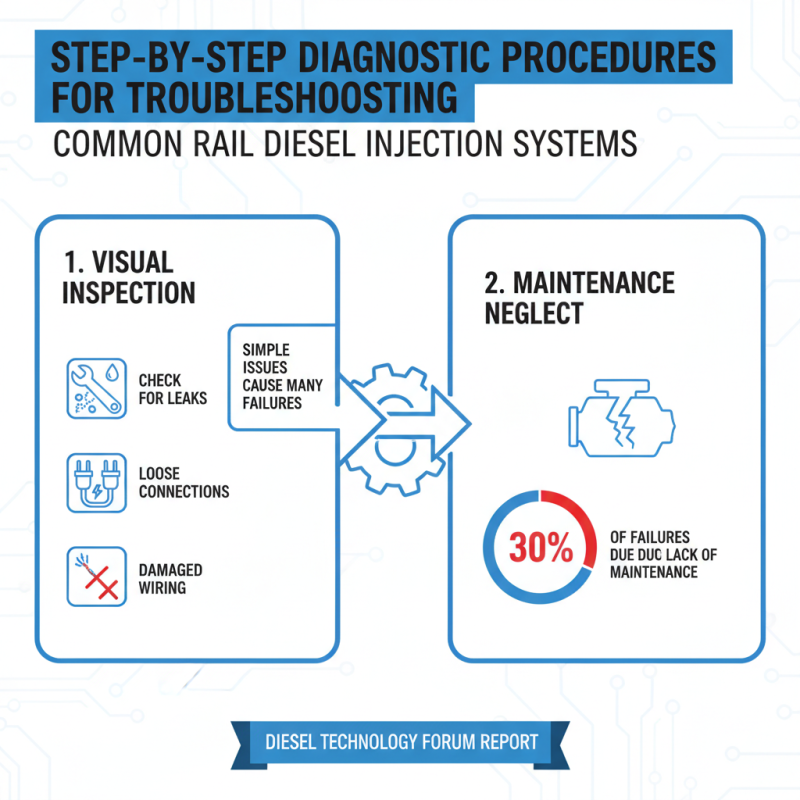
Troubleshooting common rail diesel injection systems requires methodical steps. Begin with a visual inspection of the components. Look for leaks, loose connections, and damaged wiring. Many failures stem from simple issues. A report by the Diesel Technology Forum noted that 30% of injection system failures are due to maintenance neglect.
Next, utilize diagnostic tools. A scan tool helps read error codes from the engine control unit. These codes provide insights into specific problems. For instance, an injector performance code indicates an issue with fuel delivery. Pay attention to pressure readings. Adequate rail pressure is crucial for optimal functioning. The industry standard typically ranges from 1,000 to 1,800 psi under load.
Finally, perform a physical test on the injectors. Testing injectors under different conditions can reveal misbehavior. A faulty injector may produce uneven spray patterns. Analyzing nozzle spray is essential. A study found that 25% of injector-related engine performance issues arise from poor atomization. Document all findings thoroughly, as unresolved issues may arise later. Each detail matters in ensuring efficient repairs and preventing future failures.
Tools and Equipment Needed for Effective Troubleshooting
When troubleshooting common rail diesel injection systems, having the right tools is crucial. Basic hand tools like wrenches and screwdrivers are essential. A multimeter helps test electrical components effectively. Connection issues can be difficult to spot. Use a scan tool to diagnose error codes quickly. This can save time and help locate problems.
Specialized equipment is also necessary. A fuel pressure gauge can help verify system pressure. This is vital for diagnosing fuel delivery issues. An oscilloscope can analyze injector signals in detail. It's a complex tool, but it offers great insights into injector performance. Don't overlook the importance of clean workspace and organization.
Consider having a good repair manual on hand. It should provide diagrams and troubleshooting steps. Sometimes, an overlooked detail can lead to persistent issues. Reflecting on each step might reveal errors made during the process. Troubleshooting isn't just about tools; it requires critical thinking and patience.
How to Troubleshoot Common Rail Diesel Injection Systems?
| Tool/Equipment |
Purpose |
Recommended Specifications |
| OBD-II Scanner |
Reading error codes and diagnosing issues |
Compatibility with common rail systems |
| Fuel Pressure Gauge |
Measuring fuel rail pressure |
100-2000 psi range |
| Multimeter |
Checking electrical connections and sensors |
Capable of measuring voltage and resistance |
| Leak Tester |
Identifying fuel system leaks |
Pressure testing up to 30 psi |
| Injector Tester |
Inspecting and testing injector performance |
Spray pattern and opening pressure evaluation |
| Oscilloscope |
Visualizing electrical signals to sensors |
Support for at least 20 MHz bandwidth |
Preventive Maintenance Tips for Diesel Injection Systems
Preventive maintenance for diesel injection systems is crucial for optimal performance. Regular checks can help identify issues before they escalate. For example, studies indicate that up to 70% of diesel engine problems are related to fuel injection failures. Keeping the fuel filters clean can significantly enhance engine life. Contaminated filters can lead to reduced fuel flow and performance issues.
Routine inspections should include examining the injector nozzles for wear and tear. Many experts recommend replacing nozzles every 100,000 miles. This may seem excessive, but it can prevent costly repairs down the line. Monitoring the fuel pressure is another vital aspect. Low fuel pressure can indicate leaks or failing injectors. You wouldn’t want to overlook these warning signs; they can lead to engine misfires or even complete engine failure.
It's important to use high-quality fuel to minimize deposits in the injection system. Contaminants can cause significant damage over time. In fact, around 30% of injector failures result from inadequate fuel quality. Keeping up with maintenance requires diligence, yet neglecting it could cost far more. Regular maintenance may sound tedious, but the consequences of ignoring it could be dire. Each small step in preventive care can make a big difference.

 +86 13794985240
 CONTACT NUMBER
 CONTACT NUMBER