How to Use a Breaking Hammer Effectively for Demolition?
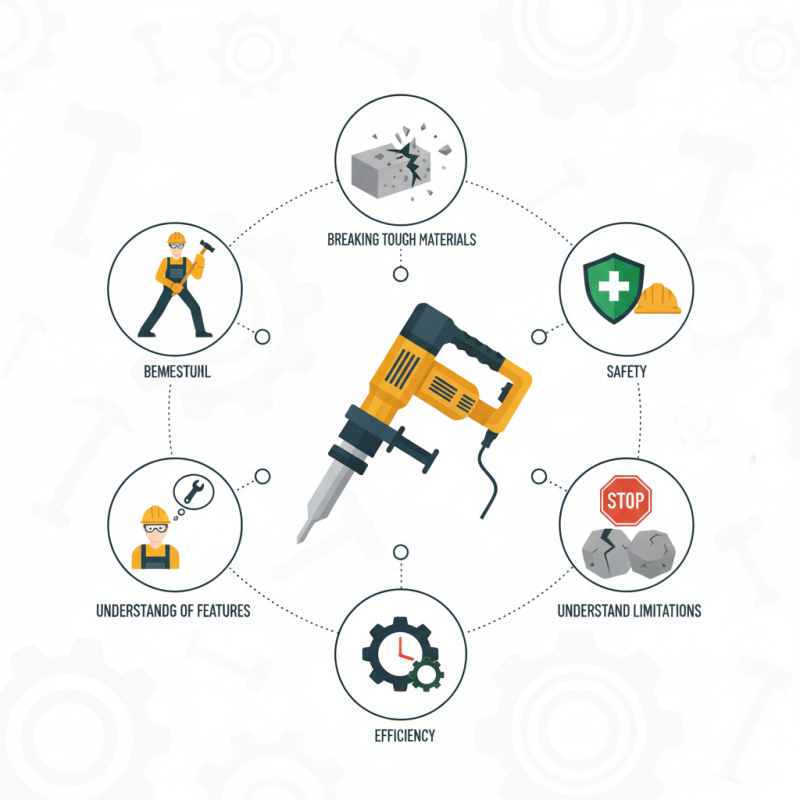
When tackling demolition projects, a Breaking Hammer can be an invaluable tool. This powerful equipment is designed to break concrete, brick, and other tough materials with ease. Operating a Breaking Hammer effectively requires some practice and understanding of its features.
Using this tool correctly can enhance safety and efficiency. However, improper handling might lead to injuries or damage. It's essential to maintain a stable posture while operating the hammer. A proper stance can help with control, especially in challenging tasks.
While a Breaking Hammer is useful, it does have its limitations. Understanding these can prevent accidents. Always wear appropriate safety gear. This not only protects against flying debris but also ensures a smoother workflow. With careful preparation and technique, you'll maximize the benefits of your Breaking Hammer.
Understanding the Basics of a Breaking Hammer and Its Uses
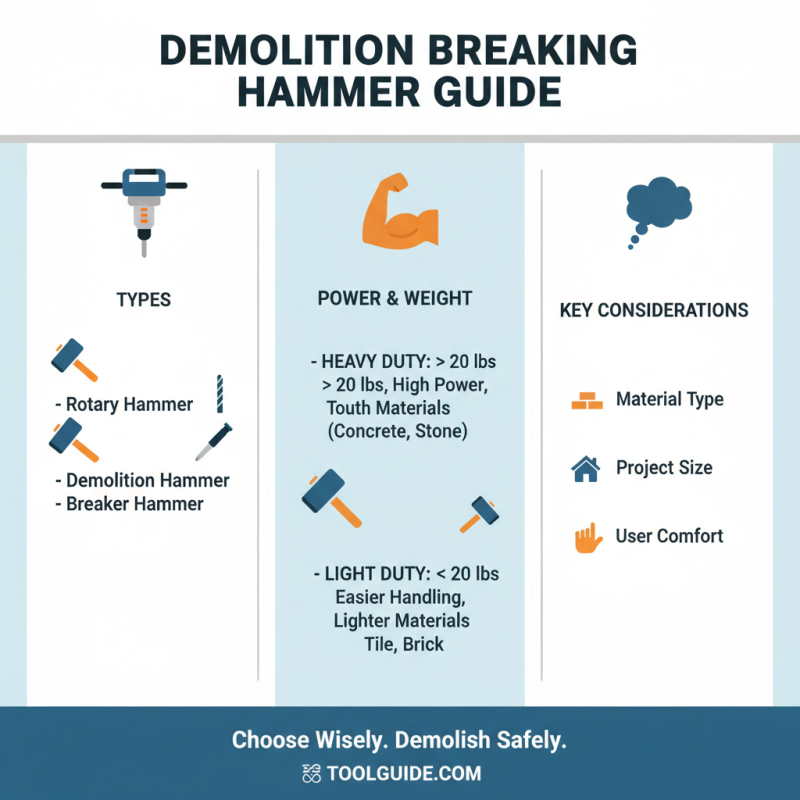
A breaking hammer, often known as a jackhammer, is a powerful tool used in demolition tasks. Understanding its basics is crucial for safety and efficiency. These tools typically weigh between 20 to 40 pounds. They can deliver impacts at rates exceeding 1,500 blows per minute. This immense force enables them to break through concrete and heavy stone with relative ease.
Proper usage techniques are essential. Aim the hammer straight down for maximum impact, avoiding angled strikes. Using a dull chisel can lead to wasted energy and slower work. Data from industry reports indicate that improper techniques can reduce efficiency by 30%. Keep the area clear of debris and hazards. This ensures both the operator's safety and optimal performance.
Using a breaking hammer comes with challenges. Operators may face fatigue after prolonged use. Maintaining grip and control becomes difficult as vibrations travel through the tool. Regular breaks are necessary to prevent strain. Some reports cite that 50% of injuries in demolition are linked to tool misuse. Continuous learning and practice can enhance safety and effectiveness on the job site.
Safety Precautions When Using a Breaking Hammer
Using a breaking hammer for demolition can be effective, yet safety must come first. Always wear protective gear. Safety goggles and gloves are essential. Hearing protection helps prevent noise-related damage. Steel-toed boots provide foot protection from falling debris.
Before starting, inspect the area. Remove any potential hazards, like loose materials. Watch for electrical wires or plumbing. It’s easy to overlook these risks. Make sure you have a clear escape route. If things go wrong, you need to get out quickly.
During operation, maintain a firm grip on the hammer. This prevents slips and controls force. Stay aware of your surroundings. Others might be nearby, which is a potential danger. Take short breaks to avoid fatigue. A tired worker can make mistakes. Reflect on your technique regularly. Small adjustments can lead to improved safety and effectiveness.
How to Use a Breaking Hammer Effectively for Demolition? - Safety Precautions When Using a Breaking Hammer
| Safety Precaution |
Description |
Recommended Gear |
| Wear Protective Gear |
Always wear safety goggles, gloves, and a hard hat to protect yourself from flying debris. |
Safety Goggles, Heavy-Duty Gloves, Hard Hat |
| Check Equipment Before Use |
Inspect the breaking hammer for any damages or wear before starting your work. |
None Required |
| Work in a Safe Environment |
Clear the area of hazards and ensure that there are no bystanders nearby. |
None Required |
| Proper Technique |
Use a firm grip and maintain balance while swinging the hammer to apply effective force. |
None Required |
| Stay Aware of Surroundings |
Be mindful of the structure you are demolishing and any potential hazards that might arise. |
None Required |
Techniques for Effective Demolition with a Breaking Hammer
Using a breaking hammer for demolition requires skill and attention. Proper technique can make the process smoother and more efficient. One key technique is to grip the hammer firmly, but not too tight. This allows for better control during strikes. It’s also crucial to maintain a balanced stance. Feet should be shoulder-width apart to provide stability.
Targeting weak points in the structure can save time. Focus on corners, joints, and seams. These areas often yield more easily. Use short, controlled strikes to chip away material gradually. It’s easy to get carried away, leading to uneven outcomes or damage to unintended areas.
Taking breaks during the process helps maintain focus. Fatigue can lead to mistakes, increasing the likelihood of injury. Always wear proper protective gear. Eye protection and gloves minimize risks. By reflecting on your technique and taking time to adjust, you can improve your demolition skills over time.
Maintaining and Storing Your Breaking Hammer Properly
Proper maintenance and storage of your breaking hammer significantly extend its lifespan. After each use, thoroughly clean the tool. Remove any dirt or debris clinging to it. Use a soft cloth to wipe down the exterior. Ensure the chisel and bit areas are free of concrete remnants. This helps avoid rust and keeps it in top condition.
Store your breaking hammer in a dry, cool place. Avoid damp areas to prevent rusting. A toolbox or a dedicated storage rack works well. Keep it away from heavy machinery that might crush it. Additionally, check it regularly for wear and tear. If you see any signs of damage, address them immediately. Neglecting small issues can lead to bigger problems later.
Make sure to inspect the power cord and plug frequently. Frayed wires can be dangerous. Finally, consider keeping a log of maintenance activities. This may seem tedious, but it helps track the tool's health. Taking these steps may seem mundane, yet they are essential for efficiency.
Effectiveness of Breaking Hammer Techniques in Demolition

 +86 13794985240
 CONTACT NUMBER
 CONTACT NUMBER