What Is a Vibrating Compactor Rammer?
A Vibrating Compactor Rammer is a compact, high-impact machine for densifying soil in confined spaces. It uses a reciprocating shoe and vibration to press air from soil particles. The result is a firmer base beneath paving, trenches, foundations, and utility work. You can feel its effect through the handle: sharp impacts, controlled movement, and a steadily tightening surface.
The principle is straightforward, but the application requires judgment. Professor Braja M. Das, a respected geotechnical author, states, “Compaction is the process of increasing the density of soil by expulsion of air.” His explanation remains relevant when selecting a rammer for cohesive soil, narrow trenches, or repair work. However, one machine cannot suit every soil. Moisture, lift thickness, shoe width, and operating speed can change the final density. That detail is often underestimated.
Technical guidance from the U.S. Federal Highway Administration, including NHI soil-compaction training materials, links field performance with moisture control, lift management, and verification testing. The U.S. Army Corps of Engineers also emphasizes measurable density targets rather than appearance alone. Meanwhile, Grand View Research’s 2024 construction equipment market analysis identifies infrastructure renewal and urban construction as continuing demand drivers for compact equipment. These reports provide context, not a substitute for site testing.
A Vibrating Compactor Rammer is not simply a jumping machine. It is a precision tool when properly matched to soil conditions. Poorly adjusted equipment can create uneven density, surface damage, or operator fatigue. That uncomfortable point matters. Good compaction begins before the engine starts.
Definition and Purpose of a Vibrating Compactor Rammer
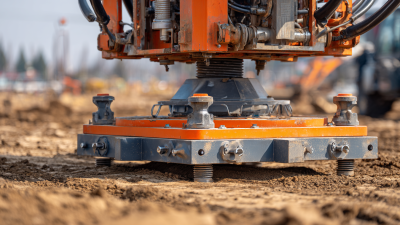
A vibrating compactor rammer is a walk-behind machine used to compact soil in narrow or difficult areas. It combines a small engine or motor, a spring-supported frame, and a steel foot. The foot moves rapidly upward and downward, creating repeated impact and vibration. This action pushes loose particles closer together and reduces empty spaces. The machine is often called a jumping jack because its foot appears to hop during operation.
Its main purpose is compacting cohesive soil, such as clay or mixed backfill, inside trenches and around foundations. Its narrow shape fits beside pipes, walls, and posts where wider equipment cannot work. A trained operator moves the rammer steadily, allowing each impact to cover the previous path. Soil moisture matters. Overly dry soil may resist proper compaction, while saturated soil can become unstable. Field workers often check the surface, sound, and foot movement rather than relying on appearance alone.
Not every soil responds well. Loose gravel usually needs different equipment. Excessive bouncing may indicate poor control, unsuitable moisture, or an uneven surface. That judgment can be imperfect. Operators should inspect the foot, frame, and controls before use, then follow the equipment’s operating guidance. Firm footing and clear visibility also matter, especially near open trenches. Small mistakes can leave weak pockets beneath paving or concrete.
Key Components and How the Machine Produces Compaction
What Is a Vibrating Compactor Rammer?
A vibrating compactor rammer is a walk-behind machine for compacting soil in narrow areas. It combines repeated impacts with rapid vibration. This action helps remove air pockets and increases soil density.
Key Components and How the Machine Produces Compaction
The engine supplies power to a clutch and crank mechanism. The crank drives an eccentric weight, creating a strong vertical vibration. Springs transfer this movement to the tamping shoe while reducing harsh shock at the handle. The shoe strikes the ground repeatedly, pressing soil downward and slightly forward. Its narrow shape works well beside foundations, trenches, pipes, and walls. The handle, throttle control, fuel system, and protective frame support safe operation and handling. Soil type, moisture, lift thickness, and travel speed all affect the final result. Dry soil may resist compaction, while excessive water can make it unstable. In practice, operators sometimes expect more passes to solve every problem. That is not always correct. Poor material selection may remain the real issue.
Tips: Check the shoe, springs, fasteners, and engine before use. Keep each soil layer reasonably thin. Move steadily, without forcing the rammer forward. Watch for bouncing, because it can signal unsuitable moisture or an uneven surface. Use hearing, eye, and foot protection. Let the machine cool before inspection. Small maintenance details matter.
Main Types, Sizes, and Performance Characteristics
What Is a Vibrating Compactor Rammer?
A vibrating compactor rammer is a walk-behind machine for narrow soil trenches. Its shoe moves vertically and delivers repeated impact energy. Rammers suit cohesive soils, including clay and mixed backfill. Vibratory plates usually perform better on granular materials.
Main Types, Sizes, and Performance Characteristics
Light rammers commonly weigh 55–70 kg, with shoes about 230–280 mm wide. Heavier models may reach 75–90 kg and deliver roughly 10–16 kN of impact force. Operating frequencies often range from 600 to 750 impacts per minute. These figures are practical industry ranges, not universal ratings. ASTM D698 measures laboratory moisture-density relationships, while FHWA soil guidance stresses that moisture content strongly affects field compaction. A powerful rammer cannot fix excessively wet clay. That detail is often overlooked.
Size changes control. A narrow shoe reaches trench edges more accurately, but covers less ground. A wider shoe improves productivity and may feel less stable on uneven backfill. Field crews should compare achieved density, not advertised force alone. Many project specifications seek about 90–95% of maximum dry density, although the required value depends on soil and contract conditions.
Tips: Check lift thickness before compacting. Keep each layer even. If the machine bounces sharply, the soil may be too dry, too wet, or already dense. Measure moisture and density when quality matters. Operator comfort also deserves attention; vibration exposure can turn a short task into a poor workday.
What Is a Vibrating Compactor Rammer?
A vibrating compactor rammer is a walk-behind machine that uses a rapidly vibrating foot to compact soil, backfill, trenches, and other confined areas. The chart shows representative midpoint values for common rammer size classes.
How to read the chart: Larger rammers generally have greater operating mass, impact force, and compaction shoe width. Light-duty models are easier to maneuver in narrow trenches, while heavy-duty models typically deliver stronger compaction and cover more area per pass.
Typical Soil Compaction Applications and Suitable Materials
What Is a Vibrating Compactor Rammer?
A vibrating compactor rammer is a small, upright machine that delivers rapid impacts through a narrow foot. Its focused force suits confined work where larger rollers cannot operate. In field use, crews often choose it for trench backfill, utility repairs, foundation edges, and narrow construction paths. It is especially useful around posts, drainage lines, and small pavement patches.
The rammer performs well on cohesive materials, including clay, silty soil, and mixed fill with moderate moisture. These soils respond to repeated impact because the blows help rearrange particles and reduce air voids. Place the material in thin lifts, commonly around 100 to 150 millimeters, then make controlled passes. Actual lift thickness depends on the machine, soil, and project specification. Soil should feel damp, not muddy or dusty.
Clean sand and loose gravel may need vibration from a plate compactor instead. A rammer can leave these materials uneven if the foot strikes too aggressively. Very wet clay also resists reliable compaction and may smear rather than strengthen. I have found that a small test area reveals more than assumptions. Check surface firmness, depth, and density before continuing. Operators should adjust travel speed and passes rather than repeat the same pattern blindly. Over-compaction is possible. It can damage weak edges or create a hard crust over soft soil. Site records, moisture checks, and applicable engineering requirements provide a more dependable basis than appearance alone.
Safe Operation, Routine Maintenance, and Common Limitations
What Is a Vibrating Compactor Rammer?
A vibrating compactor rammer is a walk-behind machine for compacting soil in narrow areas. Its foot moves rapidly, pressing and vibrating soil beneath it. It works well in trenches, around foundations, and beside drainage installations. A trained operator should inspect the work area before starting. Remove loose debris, confirm stable footing, and check for hidden utility lines. Wear hearing protection, eye protection, safety boots, and close-fitting clothing.
Safe operation depends on control, not force.
Hold the handles firmly, but do not push the machine aggressively. Let the rammer move at a steady pace. Keep both feet away from the vibrating foot. Stop the engine before clearing stuck material or adjusting components. Slopes, wet ground, and unstable edges require extra caution. A small mistake can cause a sudden loss of balance.
Routine maintenance keeps performance predictable.
Check fuel lines, fasteners, engine oil, air filters, and the rammer foot before regular use. Clean packed soil from the foot after each shift. Follow the equipment manual for service intervals. Inspect unusual vibration instead of ignoring it. That habit matters.
Rammers also have clear limitations.
They are not ideal for large flat areas or very deep soil layers. Excessive passes can damage surfaces or waste fuel. Cohesive soil may need moisture control before compaction. Operators sometimes expect one machine to solve every ground problem. That assumption deserves reconsideration. Jobsite testing should confirm density and suitability.

 +86 13794985240
 CONTACT NUMBER
 CONTACT NUMBER