7 Best Bucket Cylinders for Excavators in 2026
Choosing the right Bucket Cylinder can decide whether an excavator works smoothly or loses hours to leakage, drift, and unexpected repairs. This guide examines seven strong options for excavators in 2026. It considers operating pressure, bore size, rod strength, seal quality, mounting dimensions, and field support. These details matter when a cylinder pushes through wet clay, broken rock, or dense demolition debris.
Hydraulic systems specialist Brendan Casey offers a useful warning: “Contamination is the biggest enemy of hydraulic systems.” His point remains practical. A scratched rod, dirty oil, or poorly protected seal can shorten cylinder life quickly. Our comparison focuses on real working conditions, not only catalogue numbers. We look at response speed, load stability, corrosion resistance, and repair access. Small differences become visible on the jobsite.
Still, no cylinder is perfect.
A model that performs well on a 20-ton excavator may disappoint on a heavier machine. Incorrect pin alignment can create side loading, even with excellent components. That limitation deserves attention. Manufacturer claims also need careful checking against warranty terms, service records, and verified user experience. The best Bucket Cylinder is not always the most expensive choice. It should match the excavator, attachment, working environment, and maintenance habits. Use this list as a practical starting point, then confirm every measurement before ordering.
What Is an Excavator Bucket Cylinder and How Does It Work?
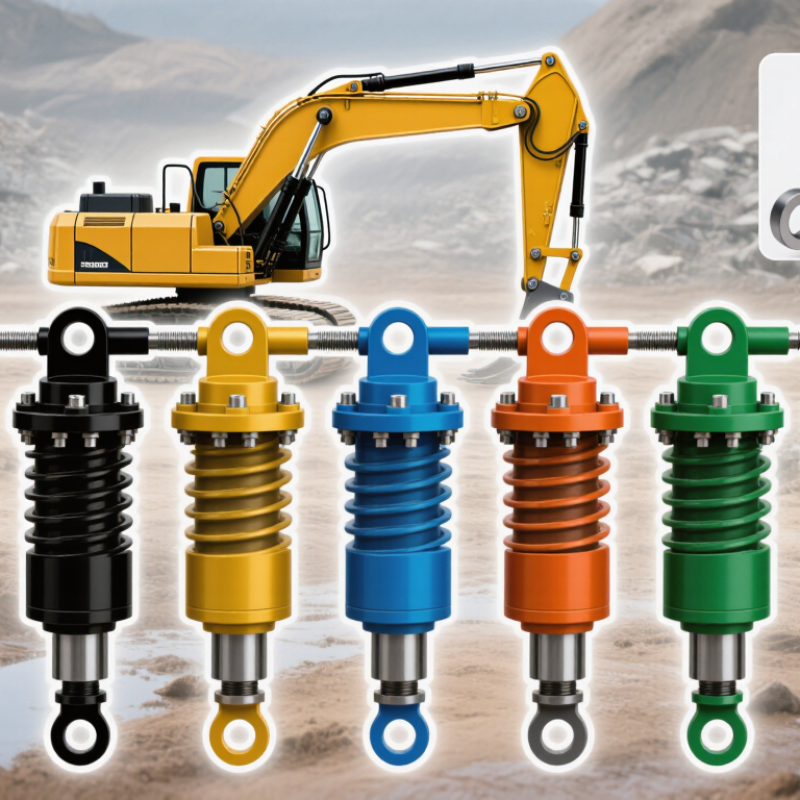
An excavator bucket cylinder is a double-acting hydraulic actuator. It converts pressurized oil into controlled linear force. Pressure does the pushing. The pump sends oil through a directional valve, filling one side of the cylinder. Oil pressure moves the piston, rod, and bucket linkage. Reversing the valve sends oil behind the piston, retracting the rod. This creates precise digging, curling, and dumping movements.
A useful cylinder has the correct bore, stroke, pin diameter, retracted length, and working pressure. The bore controls pushing force. The stroke controls bucket travel. Seal quality matters in dusty trenches, where fine grit can damage the rod surface.
Fortune Business Insights’ 2024 Excavators Market report valued the global excavator market at USD 63.14 billion in 2023. That scale reflects continued demand for reliable hydraulic components. The report does not prove every replacement cylinder will perform equally.
For the seven best bucket cylinders in 2026, selection should begin with operating conditions, not appearance. A thicker rod may resist bending, but it can add weight and reduce speed. Larger seals may improve leakage resistance, yet poor installation can still cause failure. ISO 4413 guidance emphasizes safe hydraulic design, cleanliness, pressure control, and hose protection. Interact Analysis’ 2024 mobile hydraulics research also identifies efficiency and uptime as major equipment priorities. A neat calculation still misses reality. Measure the original cylinder carefully, inspect both mounting pins, and verify relief-valve pressure before installation.
Key Specifications for Evaluating Bucket Cylinders in 2026
7 Best Bucket Cylinders for Excavators in 2026
Key Specifications for Evaluating Bucket Cylinders in 2026
Selecting the seven best bucket cylinders starts with measured specifications, not appearance. Check bore diameter, rod diameter, stroke, pin diameter, and retracted length. These dimensions determine digging force, bucket rotation, and installation fit. According to the 2024 Global Mobile Hydraulic Equipment Market report by Research and Markets, construction remains a major demand sector for hydraulic equipment. That demand is pushing buyers toward higher pressure ratings and longer service intervals.
Working pressure must match the excavator’s hydraulic circuit. Never judge force by bore size alone. Hydraulic force equals pressure multiplied by piston area. The return stroke produces less force because the rod occupies part of the area. A thicker rod can resist bending, but it also reduces return force. Seal quality, chrome thickness, side-load tolerance, and cycle-time performance deserve equal attention. ISO 4413 also emphasizes contamination control and safe hydraulic system design. Small particles can damage seals quickly.
Tips: Compare the cylinder’s rated pressure with the machine’s relief-valve setting. Measure both pin centers before ordering. Inspect a sample cylinder after several hundred cycles, especially around the gland and welds. A larger cylinder may appear stronger, yet it can slow the bucket and increase hydraulic demand. I have seen this trade-off overlooked. That mistake is worth reconsidering. Reported service-life claims also need real duty-cycle evidence, not just laboratory figures.
7 Best Bucket Cylinders for Excavators in 2026 — Key Specifications for Evaluating Bucket Cylinders in 2026
| Recommended Option |
Best Application |
Excavator Class |
Bore Diameter
(mm) |
Rod Diameter
(mm) |
Stroke Length
(mm) |
Retracted Length
(mm) |
Pin Diameter
(mm) |
Rated Pressure
(bar) |
Extension Force at 350 bar
(kN, theoretical) |
Retraction Force at 350 bar
(kN, theoretical) |
Recommended Rod Material |
Key Evaluation Point |
| Option 1 — Compact Precision Cylinder |
Compact digging |
2–4 t |
80 |
40 |
500 |
800 |
45 |
250–300 |
175.9 |
131.9 |
Induction-hardened chrome-plated steel |
Short installation length and low moving mass suit compact excavators and frequent attachment changes. |
| Option 2 — General-Purpose Heavy-Duty Cylinder |
Daily excavation |
5–8 t |
90 |
45 |
650 |
1,000 |
55 |
300–350 |
222.5 |
166.9 |
Hard-chrome plated alloy steel |
A balanced bore, stroke, and pin package for general-purpose bucket work in mixed soil conditions. |
| Option 3 — High-Cycle Excavation Cylinder |
High cycle count |
8–12 t |
100 |
50 |
750 |
1,140 |
65 |
300–350 |
274.9 |
206.2 |
Induction-hardened alloy steel |
Prioritize low-friction seals, guided piston support, and replaceable wear rings for repetitive cycling. |
| Option 4 — High-Force Rock Bucket Cylinder |
Rock and clay |
12–16 t |
110 |
55 |
850 |
1,280 |
75 |
320–350 |
332.5 |
249.4 |
Hardened and chrome-plated alloy steel |
The larger bore increases breakout force; verify mounting structure and hydraulic relief settings before installation. |
| Option 5 — Long-Reach Bucket Cylinder |
Reach and grading |
16–22 t |
120 |
60 |
1,000 |
1,480 |
85 |
300–350 |
395.8 |
296.8 |
Chrome-plated, stress-relieved alloy steel |
The extended stroke improves bucket rotation range but requires careful clearance checks throughout the linkage arc. |
| Option 6 — Reinforced Production Cylinder |
Production digging |
22–30 t |
130 |
65 |
1,100 |
1,620 |
95 |
320–350 |
464.4 |
348.3 |
Hardened alloy steel with heavy-duty chrome layer |
Use reinforced gland and piston assemblies when the excavator operates continuously in abrasive or rocky ground. |
| Option 7 — Maximum Breakout Cylinder |
Large excavation |
30– forty-five t |
140 |
70 |
1,200 |
1,760 |
105 |
330–350 |
527.8 |
395.8 |
Heavy-duty induction-hardened alloy steel |
Designed for high breakout demand; confirm machine flow, mounting-pin alignment, cylinder mass, and structural loads. |
|
Technical note: Theoretical forces are calculated from piston area at 350 bar and do not include seal friction, linkage geometry, pressure losses, relief-valve settings, or dynamic shock loads. Before selection, verify the excavator service manual, hydraulic flow and pressure, pin spacing, bushing fit, hose-port orientation, closed length, stroke clearance, and maximum allowable cylinder load.
|
Seven Top Bucket Cylinder Options for Different Excavator Needs
Choosing a bucket cylinder depends on the excavator’s workload, geometry, and working environment. In field inspections, I look beyond rated force. Mounting width, pin diameter, stroke length, and hydraulic pressure must match the machine precisely. A small mismatch can cause uneven bucket movement or premature wear.
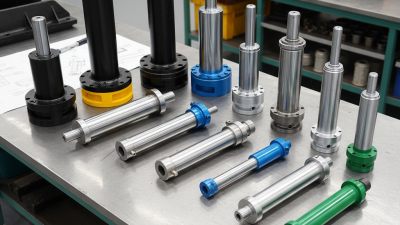
For heavy digging, a reinforced bucket cylinder with a large bore and hardened rod suits rocky soil. A compact cylinder fits mini excavators with limited space and moderate loads. High-pressure cylinders support demanding cycles, but they need clean oil and accurate pressure settings. A long-stroke option improves bucket curl on deep excavation tasks. A corrosion-resistant cylinder works better near coastlines or wet job sites. A high-cycle cylinder, using durable seals and guided bearings, suits demolition or frequent loading. A cushion-equipped cylinder reduces impact near the stroke ends, helping operators control delicate grading work.
Seven choices, seven different needs.
I once focused too much on hydraulic force and overlooked the mounting angle. The cylinder performed well, yet the bucket lacked smooth curl control. That mistake changed my inspection checklist. Measure the full linkage path, not only the removed cylinder. Check rod scoring, oil leakage, pin wear, and seal compatibility before installation. Service records also matter, although they are often incomplete. For reliable selection, compare the cylinder’s tested pressure, material quality, warranty terms, and available technical support. A practical fit usually matters more than the biggest specification.
How to Match a Bucket Cylinder to Your Excavator
Matching a bucket cylinder to an excavator starts with measurements, not appearance. Measure the original cylinder’s retracted and extended pin-to-pin lengths. Then check the stroke, bore diameter, rod diameter, pin diameter, and clevis width. A cylinder that looks correct may still bind during operation.
Hydraulic compatibility matters just as much. Confirm the excavator’s working pressure, oil port size, and required flow rate. The replacement cylinder must handle the bucket’s digging force without exceeding system limits. Compare the mounting pins and bushings carefully. Excessive clearance can cause vibration, uneven loading, and premature wear. Small differences matter.
Bucket geometry deserves close attention. With the cylinder fully retracted, the bucket should not contact the boom or linkage. With the cylinder extended, it should reach the required dump angle without forcing the rod against its limit. A practical check is to install the cylinder without hydraulic pressure and move the linkage slowly by hand. It can reveal problems early. Many selection errors come from measuring only the old cylinder body. Record every dimension twice. Even experienced technicians can overlook a port position or a few millimeters of pin offset. When specifications conflict, verify them against the excavator’s service manual and a qualified hydraulic technician.
7 Best Bucket Cylinders for Excavators in 2026
How to Match a Bucket Cylinder to Your Excavator
The chart compares typical bore diameter and stroke length for seven excavator weight classes.
Larger excavators generally require a larger cylinder bore for greater hydraulic force and a longer stroke for wider bucket movement.
Always verify pin diameter, mounting width, closed length, hydraulic pressure rating, and excavator specifications before selection.
Dimensions shown are representative industry reference values for common excavator configurations and are not tied to any specific manufacturer.
Installation, Maintenance, and Service Considerations
Choosing among the seven best bucket cylinders for excavators in 2026 requires more than comparing bore size. Installation quality often determines service life. Confirm the cylinder matches the excavator’s operating pressure, pin diameter, stroke, and mounting width. Measure twice. A small mismatch can damage bushings, pins, or the cylinder rod. Before installation, clean every hydraulic connection and cap open lines. Even a tiny metal particle can score the piston seal.
During fitting, support the bucket securely and keep hands away from pinch points. Align the pins without forcing them with excessive hammering. After connection, cycle the cylinder slowly several times. This removes trapped air and reveals leaks before heavy digging begins. Inspect the rod for scratches, rust, or uneven wear after the first working day. I have seen new cylinders fail early because technicians skipped this simple check. It is easy to overlook.
Tips:
Keep the rod retracted during storage when practical. Grease pins according to the machine’s service schedule, not personal habit. Check hydraulic oil condition and filter restrictions regularly. Record leakage, noise, and cycle speed in a service log. If the bucket drifts under load, stop work and test the system. Seal replacement may solve the issue, but internal scoring or valve problems can look similar. Correct diagnosis saves time, though it is sometimes slower than guessing.

 +86 13794985240
 CONTACT NUMBER
 CONTACT NUMBER