Buy Best Boom Cylinders for Your Machinery Needs?
In the world of heavy machinery, the importance of a reliable Boom Cylinder cannot be overlooked. Greg Thompson, an industry expert with over 20 years of experience, once stated, "A quality Boom Cylinder is the backbone of any lifting operation." Such statements highlight the critical role these components play in ensuring efficiency and safety on job sites.
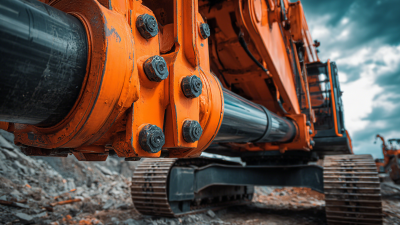
Boom Cylinders are essential for various applications, ranging from construction to forestry. They provide the necessary lifting power to elevate loads securely. Without a dependable Boom Cylinder, equipment may face risks of failure or inefficiency. Professionals must consider brand reputation, material quality, and maintenance history when selecting these components.
However, the market is flooded with options, making it difficult to determine which Boom Cylinder truly meets your needs. It can be tempting to choose the cheapest option, but this often leads to future complications. Evaluating customer reviews and seeking expert opinions can guide you in making more informed decisions.
Understanding Boom Cylinders: Types and Functions
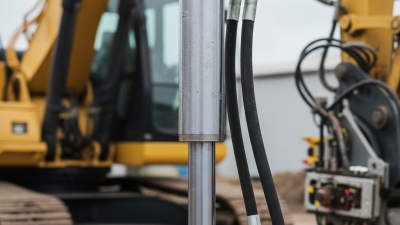
Boom cylinders play a critical role in heavy machinery operations. They are hydraulic components that help lift and lower equipment effectively. Understanding the different types of boom cylinders is essential for optimizing machinery performance. Typically, there are single-acting and double-acting cylinders. Single-acting cylinders use hydraulic pressure to extend but rely on gravity to retract, while double-acting cylinders can both extend and retract using hydraulic pressure.
According to a recent industry report, properly maintained boom cylinders can enhance operational efficiency by up to 30%. Choosing the right type for specific applications can significantly impact performance and safety. It’s vital to consider load capacity and the environmental conditions under which the machinery operates. For example, extreme temperatures can affect hydraulic fluid viscosity, impacting cylinder performance.
**Tip:** Always inspect boom cylinders for wear and tear. Look for signs of leakage or physical damage. Regular checks can prevent unexpected failures. Misaligned cylinders may lead to safety hazards or inefficient machinery operation. Prioritize routine maintenance to ensure reliability and safety in your operations.
Key Factors to Consider When Buying Boom Cylinders
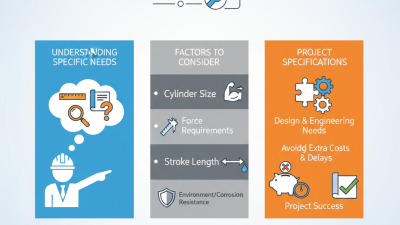
When selecting boom cylinders for machinery, you must consider several key factors. The first is the load capacity. Accurate measurements of the maximum weight your equipment will lift are essential. According to industry reports, cylinders can range from 2,000 to 50,000 pounds in capacity. Underestimating these figures could lead to catastrophic failures.
Another important aspect is the cylinder's stroke length. This measurement defines how far the cylinder can extend and retract. For heavy machinery, a longer stroke provides better flexibility, particularly in construction or material handling applications. Many operators overlook this, leading to mismatched equipment setups.
Durability is also crucial. Boom cylinders must withstand harsh environments, including extreme temperatures and heavy vibrations. Investigating the materials and design durability is fundamental. While steel is common, composite materials may offer benefits in lightweight applications. Research indicates that the right choice can extend the life and reliability of your machinery, minimizing downtime. Neglecting these factors could result in future challenges and costly repairs.
Comparing Boom Cylinder Brands: Quality and Performance
When selecting boom cylinders for machinery, comparing different brands is essential. Many manufacturers offer various models with distinct features and performance levels. It's crucial to assess each brand's reputation for reliability and durability. The lifespan of a boom cylinder often hinges on its design and material quality. Some brands might claim high performance but could fall short in real-world applications.
Performance is not just about specifications; it’s about how well the cylinder functions under pressure. Users often report varying experiences, making it vital to examine reviews from those who have tested the equipment in the field. Look for feedback on both routine operations and extreme conditions. This information can guide you in choosing the right cylinder for specific tasks.
Compatibility is another significant factor. Not all boom cylinders fit every machine perfectly. Mismatched components can lead to inefficient operations or even equipment damage. Therefore, it’s vital to verify compatibility with existing machinery before making a purchase. Even small differences in design can impact performance, leading to increased downtime and maintenance costs. Choosing wisely requires thorough research and sometimes learning from past mistakes.
Installation and Maintenance Tips for Boom Cylinders
Installing boom cylinders requires careful attention. Proper alignment is critical. Misalignment can lead to premature wear or catastrophic failures. For example, studies indicate that improper installation can reduce a cylinder's lifespan by up to 30%. Always refer to the manufacturer's guidelines when mounting these components.
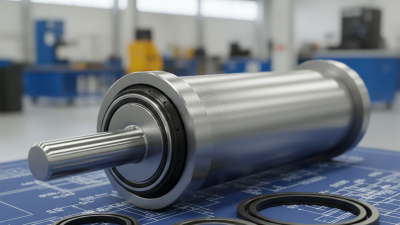
Regular maintenance is equally vital. Checking seals and connections, as well as ensuring there are no leaks, can prevent significant issues. Industry reports suggest that scheduled inspections can extend cylinder life by as much as 40%. It’s essential to take note of any unusual noises or movements, as these can signal potential problems. Effective lubrication is crucial too, but over-lubrication can cause buildup.
Training personnel on these maintenance practices is important. A knowledgeable team can identify minor issues before they escalate. Investing in training can significantly enhance machinery performance. Continuous education leads to better results and reduces downtime. Maintaining boom cylinders requires commitment but pays off in efficiency and reliability.
Common Issues and Troubleshooting for Boom Cylinders
Boom cylinders are crucial for heavy machinery operation. However, they can face several issues over time. One common problem is leaking seals. This often leads to diminished performance and hydraulic pressure loss. Operators should regularly inspect seals for cracks or signs of wear.
Another common issue is restricted movement. If a boom cylinder does not extend or retract smoothly, check for signs of contamination in the hydraulic fluid. Dirty fluid can cause blockages and impede operations. It’s wise to replace the fluid regularly to prevent such complications.
**Tips**: Always keep an eye on the cylinder's performance. Listen for unusual sounds and monitor fluid levels. Addressing these small issues early can prevent costly repairs down the line. Regular maintenance is not just a good habit; it's essential for prolonging the life of your boom cylinder.

 +86 13794985240
 CONTACT NUMBER
 CONTACT NUMBER