Top Tips for Choosing the Right Frame Support Bracket?
When it comes to selecting the perfect Frame Support Bracket, expert opinions are invaluable. John Smith, a renowned structural engineer with over 20 years in the industry, once stated, “The right bracket can make or break a project.” His experience emphasizes the importance of choosing a reliable bracket that meets specific needs.
Frame Support Brackets play a crucial role in ensuring structural integrity. They secure components together and support various loads. However, the market is flooded with options, making the choice daunting. Many people rush the decision, leading to potential issues like instability or unexpected costs.
Understanding the unique requirements of your project is key. Factors such as load capacity and material type will influence your selection. At times, people overlook these details, resulting in inadequate support. Taking the time to reflect on these aspects will lead to better outcomes. Investing in the right Frame Support Bracket will ultimately enhance the longevity and safety of your construction.
Understanding the Basics of Frame Support Brackets
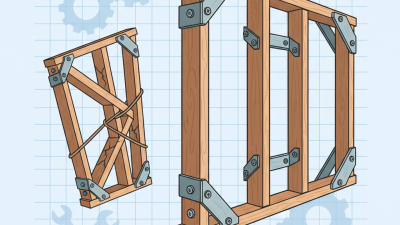
Understanding the basics of frame support brackets is crucial for any construction or DIY project. These brackets provide essential support for frames, ensuring stability and durability. They come in various materials, sizes, and styles. Selecting the right one impacts the entire structure's integrity.
When choosing a frame support bracket, consider the weight it needs to hold. Different materials significantly affect load-bearing capacity. Metal brackets generally offer more strength than plastic ones. Evaluate the installation environment; moisture-prone areas may require corrosion-resistant options.
Measure accurately. Even small discrepancies can lead to installation issues. Think about aesthetic matching, too. Your choice should align with the overall design. If you’re unsure, consulting a professional can prevent costly mistakes. Frame support brackets are not strictly functional; their appearance should also resonate with your vision. Take your time in selecting the right option, as a hasty decision could lead to regret later on.
Identifying Your Project Requirements and Load Specifications
When selecting a frame support bracket, it's essential to understand your project’s requirements. Identify the type of load you expect the bracket to bear. Is it a lightweight shelf or a more substantial structure? Each choice has different implications. Matching the bracket to your load needs ensures stability and safety.
Consider the materials involved in your project. Wood, metal, or composite will each impact the type of bracket you should choose. Ensure the bracket can accommodate these materials without compromising strength. Pay attention to mounting options. Some brackets require more complex installation techniques. Are you comfortable with those methods? This step shouldn’t be rushed.
It's also wise to consider the environmental factors. Will the bracket be exposed to moisture or extreme temperatures? These elements can affect the bracket's longevity. Reflect on your installation environment now, and don’t overlook future changes that might alter load specifications. Planning ahead can save time and money later.
Comparing Materials: Metal vs. Plastic Frame Support Brackets
When it comes to choosing frame support brackets, material is crucial. Metal and plastic are the most common options. Each has unique properties that can impact your project.
Metal brackets are known for their strength and durability. They excel in heavy-duty applications. However, they can be prone to rust, especially in humid environments.
On the other hand, plastic brackets are lightweight and resistant to corrosion. They work well for less demanding tasks. Yet, they may not provide the same level of support as metal brackets.
It's also worth considering environmental factors. Plastic might degrade over time under UV light. Evaluating these aspects can lead you to the right choice.
In practice, many users have mixed experiences. Some find that metal brackets rust sooner than expected. Others report that plastic brackets flex too much.
It's essential to think about your specific needs and conditions. Balancing the pros and cons will help you make an informed decision.
Assessing Compatibility with Existing Structures and Designs
When selecting a frame support bracket, compatibility is crucial. Many builders overlook this aspect, leading to design failures. According to recent industry reports, nearly 30% of structural issues stem from improper bracket selection. Identifying how the bracket integrates with existing structures can prevent costly mistakes.
Evaluate the load-bearing capacity of your current designs. Each bracket has specific limits they must adhere to. For instance, metal brackets generally support heavier loads compared to plastic ones. The material and design of your existing framework must align with these properties. This alignment ensures stability and safety.
Taking time to assess these factors can save considerable time and money. Engaging with structural engineers can provide valuable insights. They can suggest options based on experience and existing standards. Ignoring compatibility can lead to undue stress on your framework. Reflect on past projects: did any brackets fail due to poor compatibility? Learning from such gaps informs better choices in future endeavors.
Installation Tips and Best Practices for Frame Support Brackets
When installing frame support brackets, attention to detail is crucial. Always ensure that you are using the right tools and materials. Use a level to check for straightness before securing any brackets. This small step prevents future issues with alignment.
Choose your mounting surface wisely. It should be sturdy enough to hold the weight of whatever you are installing. If the surface seems weak or damaged, consider reinforcing it first. This extra measure can save you from accidents down the line.
Finally, consider the environment. Outdoor installations may require brackets that resist corrosion or extreme temperatures. Indoor brackets can focus more on aesthetics but still must ensure strong support. Remember, a mistake during installation can lead to bigger problems later. Always double-check your work to maintain reliability in your setup.
Top Tips for Choosing the Right Frame Support Bracket
This chart illustrates the importance ratings of various factors when choosing the right frame support bracket. The factors considered include Weight Capacity, Material Quality, Ease of Installation, Adjustability, and Cost, each rated on a scale from 1 to 10.

 +86 13794985240
 CONTACT NUMBER
 CONTACT NUMBER