+86 13794985240


Choosing the best Bucket Teeth is less about buying the largest or hardest option. It is about matching the tooth to the machine, ground, and daily workload.
A crawler excavator working in soft clay needs different teeth from a wheel loader handling crushed rock. Shape matters. Tip penetration, wear rate, adapter fit, and replacement time matter too. A tooth that cuts quickly may wear sooner in abrasive granite. A heavy-duty tooth may last longer, but it can reduce digging efficiency.
Caterpillar ground-engaging tools specialist Pat O’Brien offers a useful warning: “The strongest tooth is not always the right tooth.” This principle reflects real jobsite experience. Operators often judge performance by service life alone. That can be misleading. A tooth may remain intact while fuel use rises and bucket filling becomes slower.
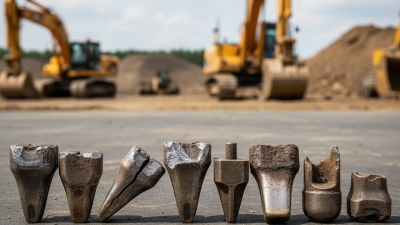
Look closely at the working edge. Is the tip rounded? Are side adapters damaged? Does the tooth loosen after several shifts? These small signs reveal more than a product label.
There is no universal winner. Penetration teeth suit compact soil and general excavation. Heavy-duty teeth fit abrasive rock and demanding quarry work. Tiger or abrasion-resistant profiles can support longer wear, but they may not dig as aggressively.
The difficult part is accepting that “best” changes with conditions. Even experienced teams sometimes choose based on price or habit. That choice deserves review.
A reliable selection process compares production, wear, downtime, and installation effort. It also checks the excavator manufacturer’s specifications. The right Bucket Teeth should protect the adapter, support safe operation, and deliver consistent performance across the intended application.
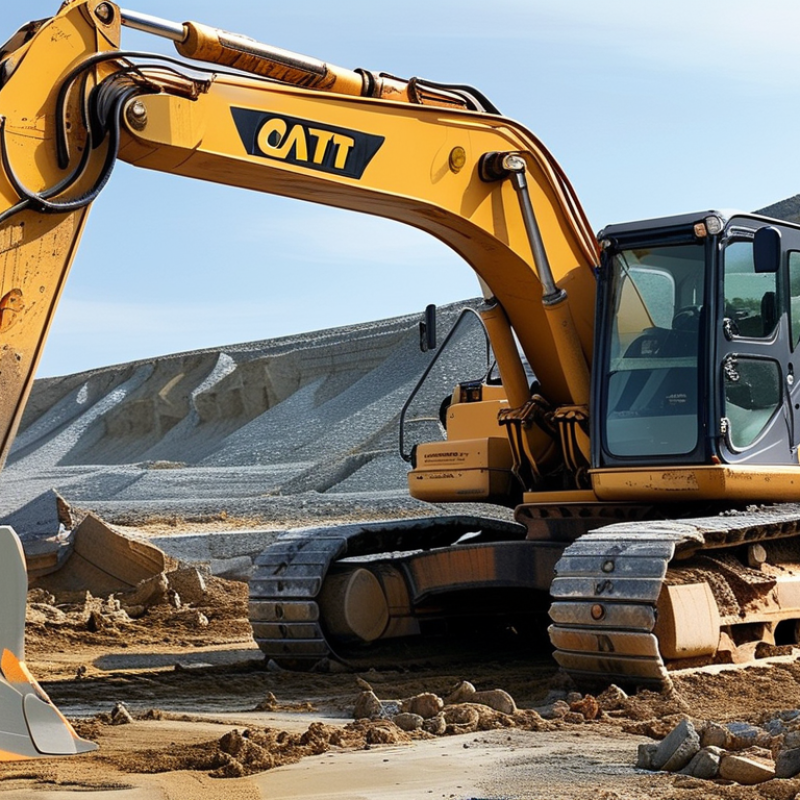
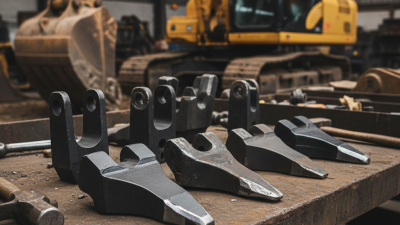
Bucket teeth are not interchangeable points on a digging edge. Their profiles control penetration, material flow, wear, and machine energy use. General-purpose teeth have a balanced nose and moderate thickness. They suit mixed soil, loose gravel, and routine trenching. Penetration teeth use a narrower, sharper profile. They enter compact clay or fractured ground more easily, but their thinner noses can wear faster. Heavy-duty teeth add metal around the nose and shank. They resist impact in rock, though they may reduce initial digging speed.
Material conditions should guide the design choice. The U.S. Geological Survey reported approximately 1.5 billion metric tons of crushed stone production in the United States during 2023. That volume reflects how often equipment works against highly abrasive material. In such applications, abrasion-resistant or reinforced teeth usually provide longer working life. Their wider wear surfaces spread contact stress. A narrow profile can still be better for frozen soil or dense clay. The best answer depends on the failure pattern.
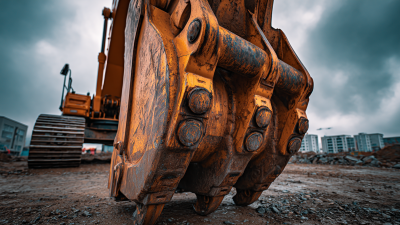
During inspections, uneven wear often reveals more than a product label. A rounded tip suggests abrasion or excessive clearance. A chipped nose may indicate impact, poor alignment, or an unsuitable profile. Operators should check adapters, pin fit, and tooth rotation frequently. Small gaps matter. The choice is rarely perfect. Fuel records, digging cycle times, and removed-tooth weight can improve the next selection. Industry equipment cost reports consistently identify wear components as important operating expenses, but they rarely capture lost productivity from premature tooth changes. That omission deserves attention.
What Is the Best Type of Bucket Teeth?
How Working Conditions Determine the Right Bucket Tooth
Choosing the best bucket tooth starts with the ground, not the excavator’s size. A narrow, sharp tooth usually enters compact clay with less breakout force. It can also wear quickly when the soil contains gravel. In wet sand, a wider profile may improve bucket fill and resist bending. Frozen ground demands a robust point and careful digging angles. Small differences matter. A tooth working beside a trench wall faces different stress from one loading loose soil.
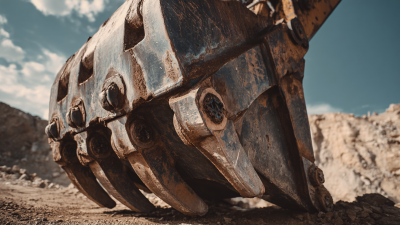
Abrasive rock changes the decision. Hard mineral particles grind the working edge during every pass, so wear resistance matters more than maximum penetration. In fractured stone, a reinforced tooth can reduce breakage, but it may not cut cleanly through dense material. Operators should match the tooth shape to the cut, then check the adapter, locking system, and fit. Poor alignment creates uneven loading. That mistake is easy to miss until the point loosens or the lip begins to deform.
Field inspection should guide replacement intervals. Measure the remaining point, inspect side wear, and look for cracks after heavy impacts. Teeth are not interchangeable in practice. Soil moisture, bucket angle, cycle speed, and operator technique all affect service life. I have seen a durable tooth underperform because its profile was too blunt for layered clay. That result is worth questioning. Laboratory ratings help, but the jobsite often tells the more honest story. Keep records from each shift, even when the notes seem incomplete.
Choosing the best bucket tooth starts with the material under the bucket, not the catalog image. A narrow, pointed tooth penetrates compact clay and fractured ground with less initial resistance. It can improve digging speed, but its smaller nose may disappear quickly in abrasive gravel. A wider, blunt tooth carries more load and protects the bucket lip. It suits loose soil, loading work, and mixed conditions. Not every sharp tooth is better.
Tooth shape should match the cutting action. Chisel profiles concentrate force at the tip, while flare profiles leave a wider finished cut. Penetration-oriented designs can help when the machine struggles with hard layers, though they may sacrifice edge support. In field inspections, uneven wear often reveals a mismatch. Polished sides suggest abrasion, while chipped corners suggest impact or excessive hardness. Measuring tooth weight and checking adapter fit gives better evidence than appearance alone. Small gaps matter.
Most heavy-duty teeth use heat-treated alloy steel. Harder steel can resist abrasive wear, but excessive hardness may reduce toughness and encourage cracking under impact. Some designs add wear-resistant inserts or reinforced zones, yet these features cannot correct poor heat treatment or loose installation. Select according to ground hardness, moisture, cycle distance, and expected impact. Recheck after one or two shifts. The first choice is sometimes wrong. A balanced tooth should keep its profile, protect the adapter, and wear predictably rather than simply lasting longest.
| Tooth Shape / Type | Typical Material | Typical Hardness | Penetration | Wear Resistance | Best-Suited Ground Conditions | Main Advantages | Main Limitations |
|---|---|---|---|---|---|---|---|
| Standard / General-Purpose | Cast alloy steel | Approximately 38–48 HRC after heat treatment | Medium | Medium | Mixed soil, sand, clay, and general excavation | Balanced digging performance, moderate cost, and easy availability | Less effective in highly compacted soil or abrasive rock |
| Penetration / Tiger | Heat-treated alloy steel, often forged or cast | Approximately 42–50 HRC | High | Medium | Hard-packed clay, compacted soil, frozen ground, and narrow trenching | Narrow point concentrates breakout force and improves initial penetration | The pointed tip can wear faster and may be more vulnerable to bending under severe impact |
| Rock Chisel | Tough, impact-resistant alloy steel | Approximately 38–46 HRC | Medium to high | High | Blasted rock, fractured rock, caliche, and heavily compacted material | Thick profile tolerates impact and reduces the risk of tip breakage | Requires higher breakout force and may produce slower penetration in soft soil |
| Abrasion-Resistant | Wear-resistant alloy steel with a hardened working surface | Approximately 45–55 HRC on the wear surface | Low to medium | Very high | Quartz-rich sand, gravel, crushed rock, and other abrasive materials | Longer service life where abrasive wear is the dominant failure mode | Usually less aggressive in penetration and may be more prone to brittle damage if over-hardened |
| Flared / Wide-Cutting | Cast or forged heat-treated alloy steel | Approximately 38–48 HRC | Low to medium | Medium to high | Soft to medium soil, sand, loose gravel, and finish grading | Wider cutting profile improves bucket coverage and material release | Not ideal for hard rock or highly compacted ground because the broad edge concentrates less force |
| Twin-Point / Twin Tiger | Heat-treated alloy steel | Approximately 40–50 HRC | High | Medium | Compact soil, clay, trenching, and applications requiring more than one penetration point | Provides multiple narrow cutting points while maintaining reasonable bucket coverage | More complex geometry can increase localized wear and may require closer inspection |
Note: Hardness values are typical ranges for heat-treated alloy-steel bucket teeth. Actual performance depends on steel chemistry, heat treatment, tooth size, adapter fit, operating technique, impact loading, and material abrasiveness.
The best bucket tooth depends on the digging condition, machine load, and required production rate. A tooth designed for loose soil may wear quickly in fractured rock. A heavy-duty tooth can last longer, but it may reduce penetration in compacted clay. Selection should match the ground, not just the excavator size.
In field work, I check the soil profile before choosing a tooth shape. Narrow, pointed teeth usually penetrate hard ground with less resistance. Wider teeth suit general digging and help maintain bucket capacity. For abrasive sand or crushed stone, wear resistance matters more than sharp penetration. I once selected an aggressive tooth for mixed ground, and its tip wore unevenly within days. It was a useful mistake.
Fit is equally important. Confirm the adapter, locking system, tooth dimensions, and machine operating weight. A loose connection can create impact damage and unsafe movement. Inspect the tooth after each shift for cracks, edge rounding, and abnormal gaps. Compare the wear pattern with the work area. If one tooth wears faster, the bucket may be misaligned or overloaded. Service records also help reveal whether a longer-lasting tooth truly lowers operating costs. Check technical data, but confirm it against actual site performance. Conditions change. Your first choice may need revision.
What Is the Best Type of Bucket Teeth?
Bucket teeth perform well only when installation and upkeep match the working ground. Penetration teeth suit compacted soil and clay. Wider, abrasion-resistant teeth suit crushed rock and gravel. In mixed ground, a balanced profile may reduce frequent changes. The “best” choice is rarely permanent.
Installation starts with a clean adapter nose and a fully seated tooth. Shut down, isolate, and lower the bucket before handling parts. Fit the correct retainer, then verify its locking position. Use the specified torque procedure, not guesswork. A loose tooth can become a dangerous projectile. MSHA’s 2023 Mine Safety and Health Facts reported 40 mining fatalities in the United States. That figure is not tooth-specific, but it reinforces disciplined equipment isolation.
Inspect teeth at every shift change. Look for cracks, side wear, missing retainers, and uneven seating. Check the adapter too. Replacing only the tooth may waste money if the adapter nose is already damaged. Keep a simple wear log with operating hours and ground conditions. Replace teeth when penetration drops, the tip disappears, or the adapter becomes exposed. Some systems allow tooth rotation, but never assume compatibility. Follow the component maker’s service data. Small details matter. I have seen teams replace sharp teeth while ignoring worn retainers. That habit deserves a second look. Fatigue, poor visibility, and rushed fitting can defeat an otherwise sound maintenance plan.